

Maintaining a lush, green lawn is a common goal for homeowners, yet many struggle with choosing the right equipment. Lawn mowers come in various types, each with distinct cutting systems. Selecting the right mower greatly impacts your lawn’s health and your overall mowing experience. This guide will help you understand the differences in lawn mower cutting systems so you can make an informed decision.
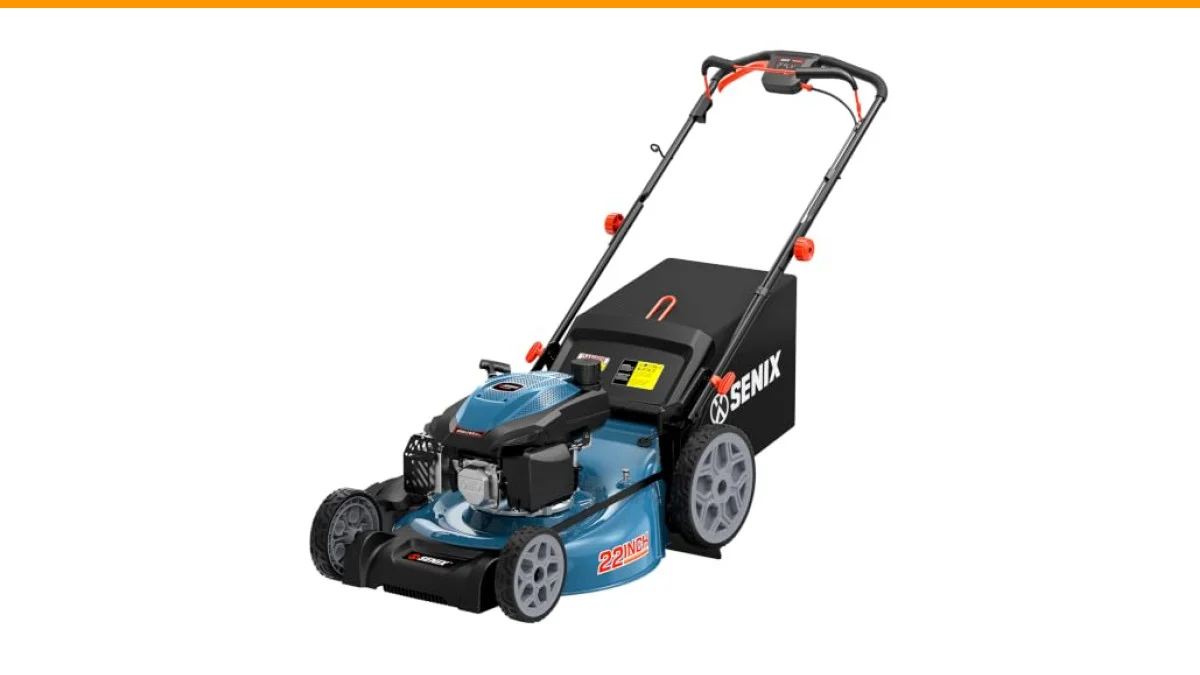
For those considering a reliable option, the SENIX 201cc 22″ 3-in-1 Variable Speed Self Propelled Gas Lawn Mower stands out. It features a powerful 201cc engine and a versatile 3-in-1 cutting system, allowing for easy transitions between bagging, mulching, and side discharge. This flexibility is ideal for different lawn care needs.

SENIX
In this article
- SENIX 201cc 22" 3-in-1 Variable Speed Self Propelled Gas Lawn Mower | Self Propelled Lawn Mower, 22" Self Propelled Gas Lawn Mower, 6 Height Adjustable
- Types of Lawn Mower Cutting Systems
- Comparing Lawn Mower Cutting Systems
- Common Misconceptions About Lawn Mower Cutting Systems
- Frequently Asked Questions
- Final Thoughts
SENIX 201cc 22" 3-in-1 Variable Speed Self Propelled Gas Lawn Mower | Self Propelled Lawn Mower, 22" Self Propelled Gas Lawn Mower, 6 Height Adjustable
- Powerful 201cc OHV Engine-Powered by a reliable 201cc 4-cycle OHV engine, this lawn mower delivers strong, consistent performance…
- 22-Inch Wide Cutting Deck-Featuring a durable steel deck and sharp steel blade, the 22-inch cutting width covers more ground in le…
- Self-Propelled with 11-Inch Rear Wheels-The rear-wheel-drive self-propelled system, paired with large 11-inch rear wheels, provide…
Types of Lawn Mower Cutting Systems
When examining lawn mower cutting systems, three primary types emerge: rotary, reel, and flail. Each system has its unique characteristics, advantages, and drawbacks. Understanding these will help you choose the best fit for your lawn.
1. Rotary Cutting Systems
Rotary mowers use a horizontal blade that spins fast, cutting grass as it moves. Most residential mowers, including gas and electric options, utilize this system. Here are key features:
- Speed: The blades rotate at high speeds, allowing for quick mowing.
- Height Adjustment: Many rotary mowers offer adjustable cutting heights, accommodating different grass types.
- Versatile Cutting Options: Some models, like the SENIX mower, provide multi-function capabilities, allowing users to bag, mulch, or discharge clippings.
While rotary mowers are efficient, they can sometimes leave a rough edge on grass blades, leading to potential damage if not maintained properly.
2. Reel Cutting Systems
Reel mowers are a more traditional option, utilizing a series of blades that spin vertically. They are often associated with manual push mowers but can be found in motorized versions. Here’s what to consider:
- Precision Cutting: Reel mowers provide a clean cut, minimizing grass damage.
- Best for Fine Grass: Ideal for well-maintained lawns, especially those with fine grasses.
- Less Maintenance: Reel mowers generally require less maintenance than rotary counterparts.
These mowers may struggle with thick or wet grass, making them less versatile than rotary systems.
3. Flail Cutting Systems
Flail mowers use several small blades attached to a rotating drum. This system is commonly found in commercial mowers. Its features include:
- Durability: Built to handle tougher grass and weeds, flail mowers are robust.
- Effective Mulching: They chop grass into smaller pieces, providing excellent mulching performance.
- Ability to Tackle Rough Terrain: Flail mowers can navigate uneven ground more effectively than rotary mowers.
However, flail mowers are often heavier and more expensive, making them less practical for residential use.
Comparing Lawn Mower Cutting Systems
To help you visualize the differences, here’s a comparison table summarizing the main features of each cutting system:
| Type | Cut Quality | Best For | Maintenance | Versatility |
|---|---|---|---|---|
| Rotary | Good | Residential lawns | Moderate | High |
| Reel | Excellent | Fine grasses | Low | Low |
| Flail | Good | Rough terrain | High | Moderate |
Common Misconceptions About Lawn Mower Cutting Systems
More Blades Mean Better Cutting
A common myth is that more blades on a mower lead to better cutting performance. While additional blades can improve efficiency, the quality of the cut depends on the mower’s design and blade sharpness. A well-maintained rotary mower with sharp blades can outperform a poorly maintained model with more blades.
Gas Mowers Are Always More Powerful
Another misconception is that gas mowers outperform electric mowers in all scenarios. While gas mowers tend to provide more power for larger areas, advancements in battery technology have made electric mowers like the SENIX model quite powerful, offering robust performance for medium to large lawns.
Frequently Asked Questions
1. What is the best cutting system for a small lawn?
For small lawns, reel mowers are often the best choice due to their precision and minimal maintenance. However, a rotary mower can also be efficient if you prefer speed and versatility.
2. How often should I sharpen my mower blades?
Mower blades should be sharpened at least once per season or after every 20-25 hours of use. Sharp blades lead to a cleaner cut and healthier grass.
3. Can I use a rotary mower on uneven terrain?
Yes, rotary mowers can handle uneven terrain. However, for extreme slopes or very rough ground, a flail mower might provide better performance.
4. How do I maintain my lawn mower cutting system?
Regular maintenance includes sharpening blades, changing oil (for gas mowers), cleaning the deck, and checking for loose parts. Always refer to the manufacturer’s guidelines for specific maintenance tasks.
5. Are electric mowers as powerful as gas mowers?
Modern electric mowers can match or even exceed the power of gas mowers for residential use. The SENIX 201cc mower exemplifies this with its strong engine and efficient cutting system.
Final Thoughts
- Understand the differences between rotary, reel, and flail cutting systems.
- Consider your lawn size, terrain, and grass type when selecting a mower.
- Keep mower blades sharp for the best cutting performance.
- Evaluate whether gas or electric mowers better suit your needs.
- Regular maintenance is crucial for optimal mower performance and longevity.
- Research options like the SENIX mower for versatility and power.
- Explore different models to find the best fit for your lawn care.


