

Imagine this: it’s a sunny Saturday, and you’re looking out at your overgrown lawn, wishing you could just sit back and relax instead of spending hours pushing a heavy mower. Enter the age of technology, where lawn care is being revolutionized by computer vision. Lawn mowers equipped with this advanced technology can identify obstacles, optimize mowing patterns, and deliver precise cuts, making the chore of maintaining your yard easier than ever.
This article will walk you through the capabilities of lawn mowers with computer vision, how they compare to traditional models, and what you should consider when choosing one. You’ll also find a practical comparison table and answers to your most pressing questions about this technology.
Greenworks
In this article
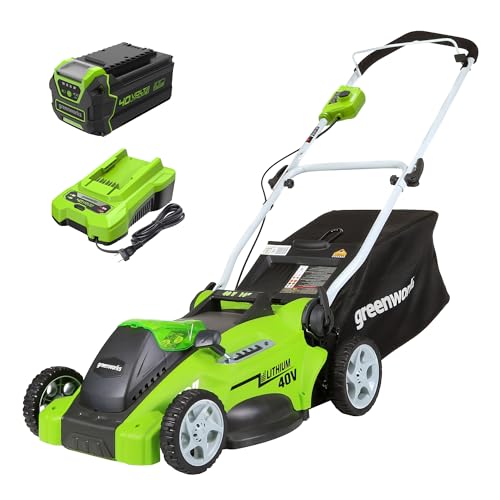
- Greenworks 40V 16in Push Lawn Mower, 4.0 Ah Battery and Charger | Quiet walk-behind mower with push-button start; gas-free operation eliminates fumes and pull starts
- Understanding Computer Vision in Lawn Mowers
- Myth: Computer Vision Makes Lawn Mowers Expensive
- Comparing Lawn Mowers: Traditional vs. Computer Vision
- Real-World Applications of Computer Vision in Lawn Mowers
- FAQs about Lawn Mowers with Computer Vision
- 1. How does computer vision enhance lawn mowing efficiency?
- 2. Are lawn mowers with computer vision safe for pets?
- 3. What is the average lifespan of a lawn mower with computer vision?
- 4. Do these mowers require special maintenance?
- 5. Can I use a lawn mower with computer vision on uneven terrain?
- Practical Takeaways
Greenworks 40V 16in Push Lawn Mower, 4.0 Ah Battery and Charger | Quiet walk-behind mower with push-button start; gas-free operation eliminates fumes and pull starts
- [16" LAWN MOWER] - This 40V lawn mower cuts up to 1/3 acre with fully charged 4.0Ah battery (varies based on grass condition and o…
- [ULTRA LIGHTWEIGHT] - 35% lighter than steel deck mowers
- [SINGLE LEVER HEIGHT ADJUST] - 5 position height adjustment
For those interested in a reliable option, the Greenworks 40V 16in Push Lawn Mower offers a lightweight design and efficient battery performance. Although it doesn’t have computer vision, its features make it a solid choice for smaller lawns, especially when combined with other tools from the Greenworks 40V line.

Understanding Computer Vision in Lawn Mowers
Computer vision technology allows lawn mowers to interpret their environment through cameras and sensors. This means they can detect obstacles like trees, flower beds, and even pets. Instead of following a random pattern, these mowers can navigate your yard intelligently, adjusting their paths in real time.
For example, advanced models can map your lawn, creating a virtual layout that optimizes mowing routes. Some of these mowers can even learn from past mowing sessions, improving efficiency with each use. This technology not only saves time but also reduces the need for manual intervention.
Myth: Computer Vision Makes Lawn Mowers Expensive
Many believe that incorporating computer vision into lawn mowers significantly increases their price. While it’s true that high-end models can be pricey, there are budget-friendly options that offer basic computer vision features. These models might not have all the bells and whistles, but they still provide enhanced navigation and obstacle detection compared to traditional mowers.
For instance, models like the Robomow and Husqvarna’s Automower series offer various price points, allowing consumers to find a mower that fits their budget while still benefiting from this technology.
Comparing Lawn Mowers: Traditional vs. Computer Vision
When deciding between traditional lawn mowers and those with computer vision, consider factors like efficiency, cost, and ease of use. The table below highlights key differences to help you make an informed choice.
| Feature | Traditional Lawn Mower | Lawn Mower with Computer Vision |
|---|---|---|
| Obstacle Detection | None | Advanced |
| Mowing Pattern | Random | Optimized |
| Learning Capability | No | Yes |
| Price Range | Lower | Higher |
| Maintenance | Manual | Automated |
Real-World Applications of Computer Vision in Lawn Mowers
Computer vision technology isn’t just theoretical; it has practical applications that benefit homeowners. For example, these mowers can be programmed to operate at specific times, mowing when the grass is dry and less likely to clump. Some models can even adjust their blade height based on grass length, ensuring a consistent cut.
Moreover, many of these mowers come with smartphone apps that allow homeowners to monitor their mowing sessions in real time. This level of control helps users manage their lawns more effectively, making adjustments as needed without having to be physically present.
FAQs about Lawn Mowers with Computer Vision
1. How does computer vision enhance lawn mowing efficiency?
Computer vision improves efficiency by allowing mowers to navigate intelligently, avoiding obstacles and optimizing their cutting paths. This leads to faster mowing times and better coverage.
2. Are lawn mowers with computer vision safe for pets?
Yes, many models are equipped with safety features that stop the blades if they detect pets or small objects in their path. Always check the specifications for safety features before purchase.
3. What is the average lifespan of a lawn mower with computer vision?
The lifespan varies by brand and usage but typically ranges from 5 to 10 years, similar to traditional mowers. Regular maintenance can help extend their longevity.
4. Do these mowers require special maintenance?
While they generally require less manual maintenance than traditional mowers, it’s still essential to keep the sensors and cameras clean and to check for software updates regularly.
5. Can I use a lawn mower with computer vision on uneven terrain?
Yes, many computer vision mowers are designed to handle uneven terrain. However, specific models may perform better than others, so researching your options is crucial.
Practical Takeaways
- Consider your lawn size and terrain when choosing a mower.
- Look for mowers with advanced obstacle detection for safer mowing.
- Check for smartphone connectivity and features that allow real-time monitoring.
- Don’t assume higher prices mean better features; evaluate each model carefully.
- Regular maintenance can extend the life of your mower, regardless of technology.
- Research models that can adjust to your lawn’s specific needs.
- Explore options that fit your budget while still offering essential features.
For those considering a more traditional approach, check out our article on the best lawn mowers for small lawns. Whether you opt for traditional or high-tech solutions, maintaining a beautiful lawn is achievable with the right tools.


