Choosing the Right Lawn Mower for Coastal vs Inland Climates
Contents
Imagine this scenario: You’ve just purchased a new home, and the yard is a canvas waiting for your gardening skills. But as you stand in your backyard, staring at the overgrown grass, you realize that choosing the right lawn mower is crucial to maintaining that perfect lawn. Different climates can significantly affect your mowing needs and the mower’s performance. Coastal and inland areas present unique challenges, from humidity levels to soil types, and understanding these differences can help you select the best equipment for your needs.
This article will guide you through the critical factors to consider when choosing a lawn mower for coastal versus inland climates. You’ll learn which features matter most, how environmental conditions impact your selection, and why the right mower can make all the difference in maintaining a healthy lawn.

LawnMaster
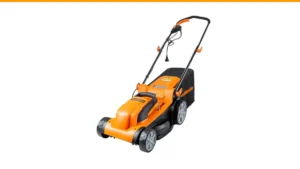
LawnMaster MEB1114K Electric Corded Lawn Mower 15-Inch 11AMP
- POWERFUL PERFORMANCE: Tackle your yard with 3,300 RPM of power and a 14-inch cutting width
- ENVIRONMENTALLY FRIENDLY: No gas or batteries needed to power the mower
- CUSTOMIZE YOUR CUT: Effortlessly change the height of your cut with 5 cutting positions varying between 1.4-inches and 3-inches
For those considering an electric mower, the LawnMaster MEB1114K Electric Corded Lawn Mower is a reliable option. With its powerful 11AMP motor and 14-inch cutting width, it’s designed to handle various lawn conditions effectively while being environmentally friendly.

Understanding Coastal Climate Challenges
Coastal climates often feature high humidity, saline air, and sandy soil. These factors influence both grass type and mower performance. Here are the primary considerations:
- Grass Type: Coastal areas typically support grass types like Bermuda or Zoysia, which thrive in warm, moist environments. These grasses require frequent mowing to stay healthy.
- Corrosion Resistance: The saline air can corrode metal mower parts quickly. Look for mowers with rust-resistant materials or coatings.
- Mower Type: Electric mowers, like the LawnMaster model mentioned, are often better suited for coastal regions due to their lower emissions and quieter operation.
Navigating Inland Climate Considerations
Inland climates can vary dramatically, typically experiencing more extreme temperatures and lower humidity levels. Here’s what to keep in mind:
- Grass Type: Common grasses in inland areas include Kentucky Bluegrass and Fescue, which may require more water and care during dry spells.
- Power and Performance: Mowers with stronger engines can handle tougher grass types found in these regions. A gas mower might be preferred for its power, especially for larger properties.
- Cutting Height: Inland grasses often benefit from a higher cutting height to retain moisture. Choose mowers with adjustable cutting heights.
Feature Comparison: Coastal vs. Inland Mowers
| Feature | Coastal Mowers | Inland Mowers |
|---|---|---|
| Grass Type | Bermuda, Zoysia | Kentucky Bluegrass, Fescue |
| Corrosion Resistance | Rust-resistant materials | Standard materials (may require maintenance) |
| Power Source | Electric preferred | Gas often preferred |
| Cutting Height | Lower settings (1.4-2.5 inches) | Higher settings (2.5-4 inches) |
| Maneuverability | Lightweight, easy to navigate | Varies, heavier models available |
Frequently Asked Questions
1. What are the best lawn mower types for coastal climates?
Electric mowers are often best for coastal climates due to their lower emissions and quieter operation. They also tend to have fewer mechanical issues related to corrosion.
2. How often should I mow my lawn in a coastal area?
In coastal climates, you might need to mow once a week during the growing season. Grasses like Bermuda can grow quickly, especially in humid conditions.
3. Can I use the same mower for both coastal and inland climates?
Using the same mower is possible, but it may not perform optimally in both environments. Coastal mowers should be rust-resistant, while inland mowers may need more power.
4. What maintenance should I perform on my mower for coastal conditions?
Regularly clean your mower to remove grass clippings and debris. Lubricate moving parts frequently to prevent corrosion from salt and moisture.
5. Are battery-powered mowers suitable for coastal areas?
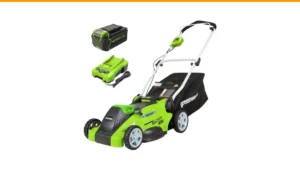
Yes, battery-powered mowers are a good choice for coastal areas. They offer quiet operation and are better for the environment, but ensure you check the battery life for your lawn size.
Final Thoughts for Your Lawn Care
- Choose a mower that suits your local grass type.
- Consider corrosion resistance for coastal climates.
- Select a mower type based on the size of your lawn.
- Adjust cutting height according to your grass type.
- Prioritize regular maintenance to prolong mower life.
- Evaluate both performance and environmental impact when selecting a mower.
- For more options, explore best lawn mowers for small lawns and battery lawn mowers.
Understanding the differences between a lawn mower for coastal vs inland climates ensures you invest wisely in equipment that meets your lawn care needs. Making the right choice can lead to a lush, healthy lawn that enhances your home’s curb appeal.
For additional insights on selecting the right tools for your lawn care, check out this detailed guide.