
An Introduction to Lawn Aeration
Have you ever wondered why some lawns look lush and vibrant while others appear dull and patchy? The answer often lies beneath the surface. Lawn aeration, a practice that involves perforating the soil with holes, plays a crucial role in maintaining a healthy lawn. Many homeowners overlook this essential step, leading to compaction issues, poor water absorption, and unhealthy grass growth.
This article will explain the importance of lawn aeration, detailing its benefits, methods, and the best practices for implementation. You’ll come away with a clear understanding of why it’s worth your time and effort.
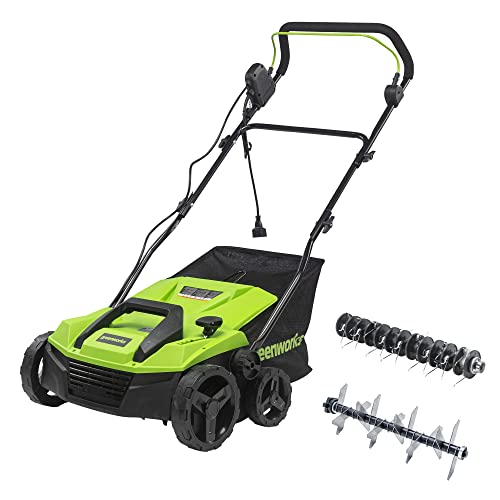
Greenworks
Greenworks 13 Amp 14-Inch Corded Dethatcher / Scarifier, 2-in-1 Electric Lawn Rake with 3-Position Depth Adjustment & Push-Button Start, Lawn Care Tool for Healthy Yard Maintenance
- 2-IN-1 DESIGN - 13A 14-Inch Dethatcher / Scarifer provides the power and versatility to keep your lawn healthy.No load speed : 320…
- LIGHTWEIGHT, EASY TO USE - Lightweight design allows for easy manuevering. Easy push button start
- QUICK RELEASE - Quickly and easily switch between the included dethacther and scarifier attachments
For those seeking to improve their lawn health, consider tools like the Greenworks 13 Amp 14-Inch Corded Dethatcher. This 2-in-1 electric lawn rake not only dethatches but also scarifies, making it a versatile addition to your lawn care arsenal.
Understanding Lawn Aeration
Lawn aeration is the process of perforating the soil to facilitate air, water, and nutrients reaching the grass roots. Compacted soil restricts these essential elements, leading to weak grass growth. The primary goal of aeration is to alleviate soil compaction, allowing for better root development.
There are two main types of aeration: core aeration and spike aeration. Core aeration involves removing small plugs of soil, while spike aeration simply pokes holes into the ground. Core aeration is generally more effective, as it creates space for soil and roots to expand.
Why Is Lawn Aeration Important?
Several key benefits highlight the importance of lawn aeration:
- Improved Soil Compaction: Aeration reduces compaction, allowing roots to spread and access nutrients efficiently.
- Enhanced Water Absorption: Well-aerated soil absorbs water better, reducing runoff and increasing moisture availability.
- Stronger Grass Growth: Healthy roots lead to more resilient grass, which can better withstand pests and environmental stress.
- Increased Fertilizer Efficiency: Aerated soil allows fertilizers to penetrate deeper, maximizing their effectiveness.
According to research, lawns that undergo regular aeration can reduce water usage by up to 30%. This means healthier grass and lower water bills.
Common Misconceptions About Lawn Aeration
Myth: Aeration Is Only Necessary for Poor Lawns
Many believe only unhealthy lawns need aeration. In reality, even well-maintained lawns benefit from aeration. Regularly aerating promotes continuous root health and resilience against stressors.
Myth: Aeration Should Only Be Done in Spring
While spring is a popular time for aeration, it’s not the only option. For cool-season grasses, early fall is ideal, whereas warm-season grasses thrive when aerated in late spring through early summer. Timing can significantly impact the results.
Methods and Tools for Aeration
There are various methods and tools available for aerating your lawn. Here’s a comparison of popular options:
| Method | Pros | Cons |
|---|---|---|
| Core Aerator | Removes soil plugs, enhances root growth | More expensive, requires more effort |
| Spike Aerator | Easy to use, less costly | Can worsen compaction, less effective |
| Manual Aerator | Affordable, good for small areas | Labor-intensive, may not cover large lawns |
| Power Aerator | Fast and efficient for large lawns | Higher cost, requires storage space |
Frequently Asked Questions
How often should I aerate my lawn?
Generally, aerating once a year is sufficient for most lawns. However, heavily compacted areas may benefit from aeration twice a year.
When is the best time to aerate?
For cool-season grasses, early fall is ideal. Warm-season grasses should be aerated in late spring or early summer.
Can I aerate my lawn myself?
Yes, many homeowners choose to aerate their lawns using rental equipment or personal tools. It’s a straightforward process, but ensure you choose the right method for your lawn type.
Will aeration damage my lawn?
No, proper aeration actually improves lawn health. The small holes created allow for better air and water penetration, promoting stronger grass growth.
Is it necessary to overseed after aerating?
Overseeding after aeration can be beneficial. The holes provide an excellent environment for new seeds to germinate and establish roots.
Final Thoughts on Lawn Aeration
- Aerate regularly to maintain a healthy lawn.
- Core aeration is generally more effective than spike aeration.
- Timing matters—consider your grass type.
- Use the right tools for your lawn size and condition.
- Don’t forget to overseed for optimal results.
- Monitor soil conditions to determine when aeration is needed.
- Combine aeration with proper fertilization for the best outcomes.