
Many homeowners find themselves overwhelmed when it comes to mowing a small yard. You might be wondering about the best techniques, tools, and schedules to keep your lawn looking its best. The good news is that mowing a small yard doesn’t have to be a daunting task. With the right approach, you can achieve a neatly manicured lawn without spending your entire weekend on the chore.
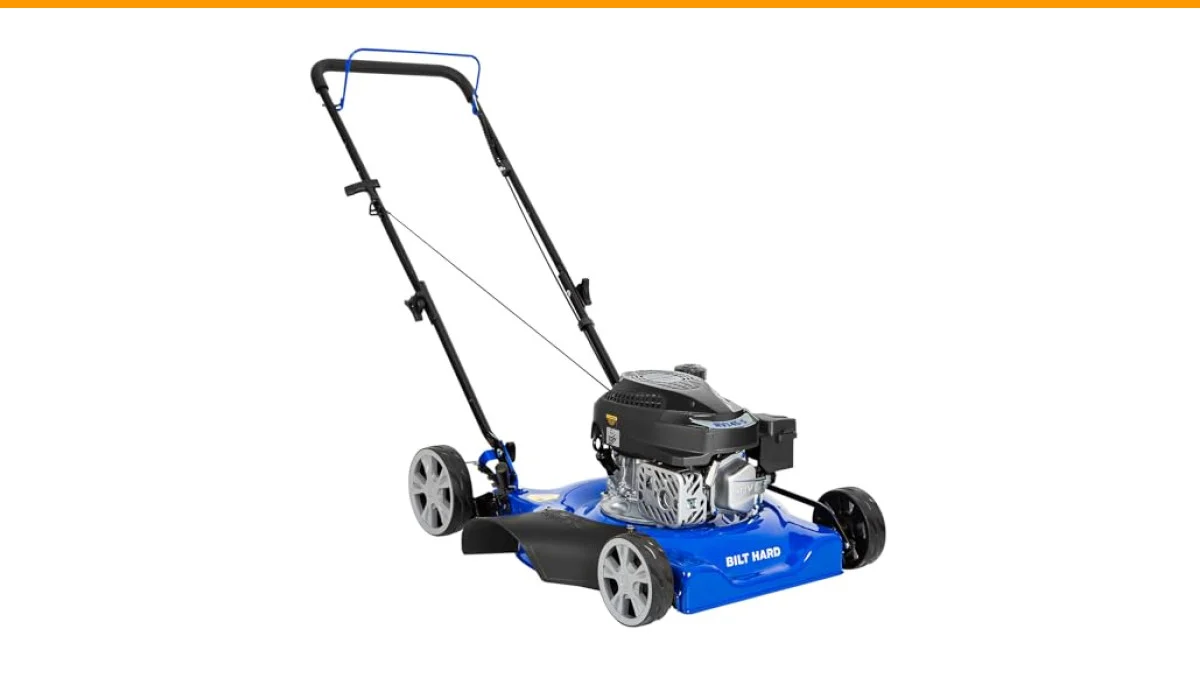
In this article, you will discover practical techniques for mowing, tips on choosing the right equipment, and how to maintain your lawn effectively. If you’re searching for a reliable mower, consider the BILT HARD Gas Lawn Mower. This 20-inch mower features a powerful 144cc engine and adjustable cutting heights, making it a solid choice for small yards.
Let’s dive into the essential aspects of mowing a small yard, ensuring you walk away with the knowledge to tackle this task confidently.
Choosing the Right Mower for a Small Yard
The first step in maintaining your lawn is selecting the appropriate mower. For small yards, you have several options, including push mowers, reel mowers, and even battery-powered or gas mowers. Each has its advantages:
- Push Mowers: Ideal for small, flat yards. They require physical effort but are environmentally friendly.
- Reel Mowers: The most eco-friendly option, perfect for very small, flat areas. They provide a clean cut but require more maintenance.
- Gas Mowers: These are powerful and efficient, suitable for slightly larger small yards with varying terrains.
- Battery-Powered Mowers: More convenient and quieter than gas mowers, but may need frequent charging.
The BILT HARD Gas Lawn Mower stands out with its adjustable cutting height and durable design, making it a strong contender for those seeking a gas mower.
Preparing Your Yard for Mowing
Before you start mowing, take a moment to prepare your yard. Here are the steps to follow:
- Clear the Area: Remove any toys, branches, or debris from the lawn to prevent damage to your mower.
- Check for Hazards: Look for rocks or uneven ground that might pose a risk while mowing.
- Set Your Mower Height: Adjust the cutting height based on the grass type and season. For most grass, a height of 2.5 to 3 inches works well.
Taking these preparatory steps can make the mowing process smoother and prevent accidents.
Effective Mowing Techniques
Now that you’re ready to mow, focus on these effective techniques:
- Choose Your Pattern: Mow in straight lines or in a pattern like a spiral or checkerboard. This helps to keep the lawn looking even and professional.
- Overlap Your Passes: Overlap each pass by a few inches to ensure even cutting and avoid missing patches.
- Change Directions: Alternate mowing directions each time to prevent soil compaction and promote healthy grass growth.
- Keep Blades Sharp: Dull blades tear the grass rather than cut it cleanly, which can lead to brown tips and lawn diseases.
These techniques not only improve the look of your lawn but also contribute to its overall health.
Maintenance After Mowing
Once you finish mowing, maintenance is key to keeping your lawn in top shape:
- Clean Your Mower: Remove grass clippings and debris from your mower to prevent rust and maintain efficiency.
- Check Blades Regularly: Inspect and sharpen the mower blades at least once a season.
- Water the Lawn: After mowing, give your lawn a good watering to help it recover and promote growth.
Regular maintenance keeps your mower running well and your lawn healthy.
| Type of Mower | Best For | Pros | Cons |
|---|---|---|---|
| Push Mower | Small, flat yards | Environmentally friendly, affordable | Requires physical effort |
| Reel Mower | Very small, flat areas | Eco-friendly, clean cut | Labor-intensive |
| Gas Mower | Larger small yards | Powerful, efficient | Noise, maintenance |
| Battery-Powered Mower | Convenience seekers | Quieter, easy to use | Limited battery life |
What is the best height to mow grass?
The ideal mowing height depends on the grass type, but generally, 2.5 to 3 inches is suitable for most lawns. Taller grass promotes deeper roots and reduces weeds.
How often should I mow my small yard?
Mowing frequency varies with growth conditions. Typically, during peak growth seasons, you may need to mow every 5-7 days.
Can I mow wet grass?
Mowing wet grass is not recommended. It can lead to uneven cuts and clumping. Wait until the grass is dry for the best results.
What should I do with clippings?
You can leave clippings on the lawn as mulch, which returns nutrients. Alternatively, you can bag them for disposal or composting.
How do I maintain my mower?
Regularly clean the mower, sharpen the blades, check oil levels for gas mowers, and store it in a dry place. Routine maintenance prolongs the mower’s life.
Quick Tips for Mowing a Small Yard
- Choose the right mower based on yard size.
- Clear debris before mowing.
- Adjust cutting height for optimal grass health.
- Vary your mowing patterns for a professional look.
- Maintain your mower regularly to ensure efficiency.
- Water the yard after mowing.
- Consider eco-friendly options like reel mowers.



