
Picture this: a sprawling green yard, the sun shining down, and you, ready to tackle your weekend lawn care. Mowing a large yard can feel overwhelming, but with the right techniques and tools, it transforms into an enjoyable task. This guide will provide you with actionable steps and insights, ensuring your lawn stays healthy and vibrant.
Many homeowners face challenges while caring for expansive lawns. Factors such as uneven terrain, thick grass, and the right equipment can complicate the process. By the end of this article, you’ll understand how to mow a large yard efficiently and effectively, turning that daunting task into a manageable one.

Greenworks
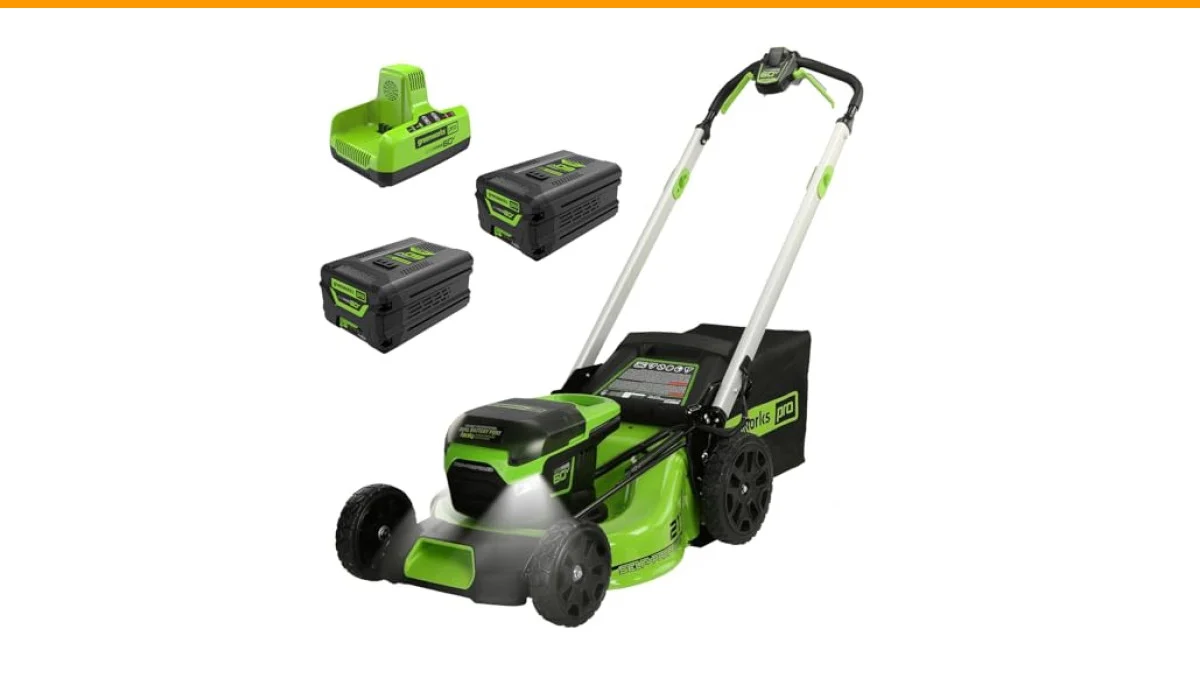
Greenworks 60V 21in Self-Propelled Lawn Mower, (2) 4.0 Ah Battery Kit | Brushless motor with 4-in-1 system; self-propelled drive handles up to 3/4 acre with quiet operation for large yards.
- Battery-Powered Lawn Mower - Conquer large yards effortlessly with the 60V brushless motor and two 4.0Ah battery—delivering gas-li…
- Effortless Self-Propelled Control - Effortlessly tackle slopes and thick grass with rear-wheel drive traction. Adjust your pace on…
- Quite, Mainteance-Free - Operate 3x quieter than gas mowers. Instant starts and zero emissions keep peaceful and eco-friendly.
One tool to consider is the Greenworks 60V 21in Self-Propelled Lawn Mower. Its powerful brushless motor and self-propelled feature make it ideal for covering large yards with ease. With two 4.0Ah batteries, you can tackle up to 3/4 acre per charge, offering gas-like performance without the noise or emissions.
Choosing the Right Mower for Your Yard
Choosing the right mower is critical for efficiently maintaining a large yard. Here are the main options:
- Push Mowers: Ideal for small to medium-sized yards. Typically less expensive but requires physical effort.
- Self-Propelled Mowers: Best for larger yards. They move on their own, reducing fatigue and allowing for more control.
- Riding Mowers: Excellent for very large areas. They allow you to sit while mowing, making the task much more comfortable.
- Zero-Turn Mowers: Offers the best maneuverability. Perfect for intricate yards with lots of obstacles.
For example, if you have a yard that exceeds half an acre, consider investing in a self-propelled or riding mower for efficiency.
Preparation Before Mowing
Before you start mowing, take time to prepare your yard:
- Clear Debris: Remove sticks, stones, and any other items that could damage your mower or pose a safety hazard.
- Mow When Dry: Cutting grass when it’s dry prevents clumping and ensures a cleaner cut.
- Check Your Equipment: Ensure your mower is well-maintained. Check the oil, sharpen the blades, and ensure the tires are inflated properly.
- Plan Your Mowing Pattern: Determine a mowing pattern that works for your yard shape. For example, stripes work well for rectangular yards, while circular patterns may suit rounded areas.
Preparation makes mowing smoother and helps achieve that pristine look.
Technique for Mowing a Large Yard
Once you’re prepared, follow these steps to mow your large yard:
- Set the Cutting Height: Adjust the mower blade height based on your grass type. For most grasses, a height of 2.5 to 3 inches is ideal.
- Start Mowing Around the Edges: Begin by mowing around the perimeter of your yard. This creates a clean edge and helps you establish your pattern.
- Mow in Straight Lines: Mow in straight lines back and forth across the yard. Overlap each pass slightly to ensure even coverage.
- Change Patterns Regularly: Alternate your mowing pattern each time you mow. This prevents the grass from leaning and promotes healthier growth.
- Take Breaks: Mowing can be taxing, especially in large yards. Take breaks to stay hydrated and avoid fatigue.
Following these steps will help you achieve an even cut while reducing the risk of damaging your grass.
| Type of Mower | Best For | Pros | Cons |
|---|---|---|---|
| Push Mower | Small to medium yards | Cost-effective, lightweight | Requires physical effort |
| Self-Propelled Mower | Medium to large yards | Less effort needed, good control | More expensive than push mowers |
| Riding Mower | Large yards | Comfortable, fast | Higher cost, requires storage space |
| Zero-Turn Mower | Complex yards with obstacles | Excellent maneuverability, fast | Expensive, requires practice |
What is the best time of day to mow?
The best time to mow is in the late afternoon when the grass is dry but not stressed from heat. Mowing during this time helps avoid heat stress on the grass.
How often should I mow my lawn?
Mow your lawn every 1-2 weeks during the growing season. Adjust the frequency based on growth rates, rainfall, and seasonal changes.
Should I bag the clippings or leave them?
Leaving clippings on the lawn can provide nutrients back to the soil. However, if the grass is too long or wet, bagging may prevent clumping and promote a neat appearance.
What is the ideal mowing height for my grass?
Most lawns do well at a height of 2.5 to 4 inches, depending on the grass type. Taller grass promotes deeper root growth and drought resistance.
How can I avoid scalping my lawn?
Ensure your mower blades are adjusted to the correct height for your grass type. Regularly check the mower’s deck to prevent uneven cuts.
Actionable Insights for Mowing Success
- Choose the right mower based on yard size.
- Prepare your yard by clearing debris and checking equipment.
- Adjust the mower height for optimal grass health.
- Mow in straight lines and alternate patterns for even cutting.
- Take breaks to stay refreshed during longer mowing sessions.
- Consider using a mower like the Greenworks 60V for effortless mowing.
- Regular maintenance of your mower enhances performance.
With these strategies, maintaining your large yard can be a straightforward and satisfying task. Happy mowing!


