In this article
Introduction
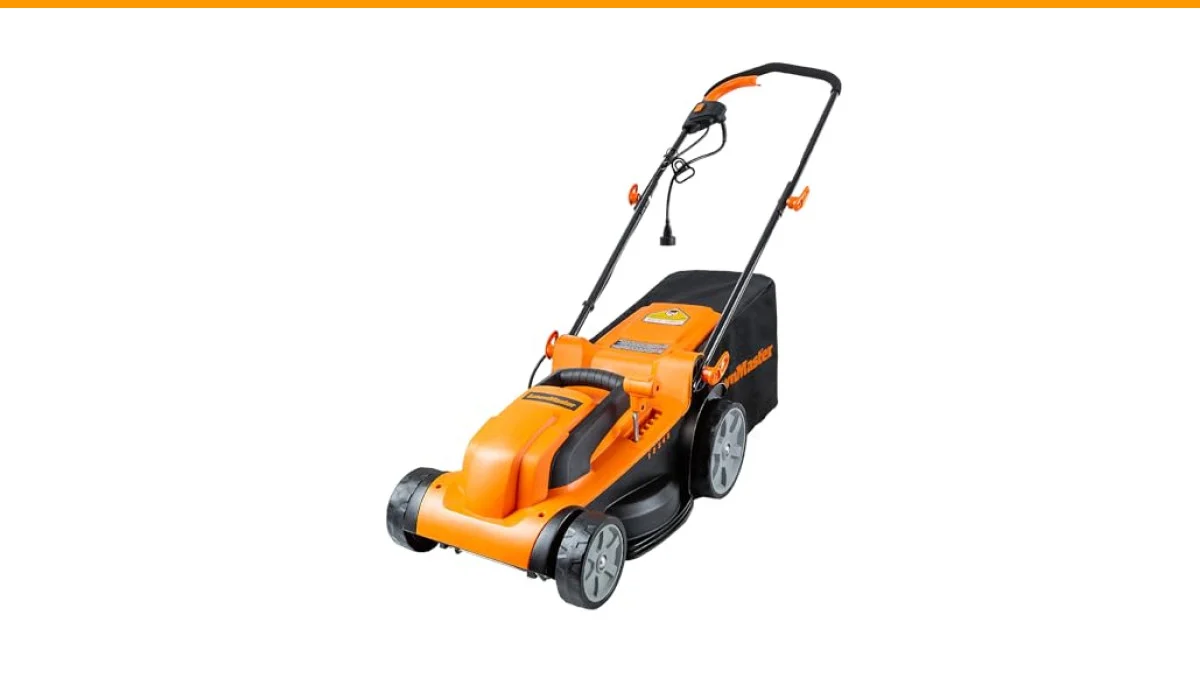
Many homeowners enjoy the convenience and eco-friendliness of battery lawn mowers. Picture the satisfaction of a freshly cut lawn without the hassle of gas or oil. However, battery-powered equipment requires special care to keep it running smoothly over time. This article provides essential tips for maintaining a battery lawn mower, ensuring it operates at peak performance for years to come.
Understanding how to maintain a battery lawn mower is crucial for preserving both its efficiency and lifespan. You’ll walk away with actionable insights to keep your mower running smoothly, from regular maintenance tasks to battery care. With these strategies, you can enjoy a greener lawn without the worry of unexpected breakdowns.

WEIZE
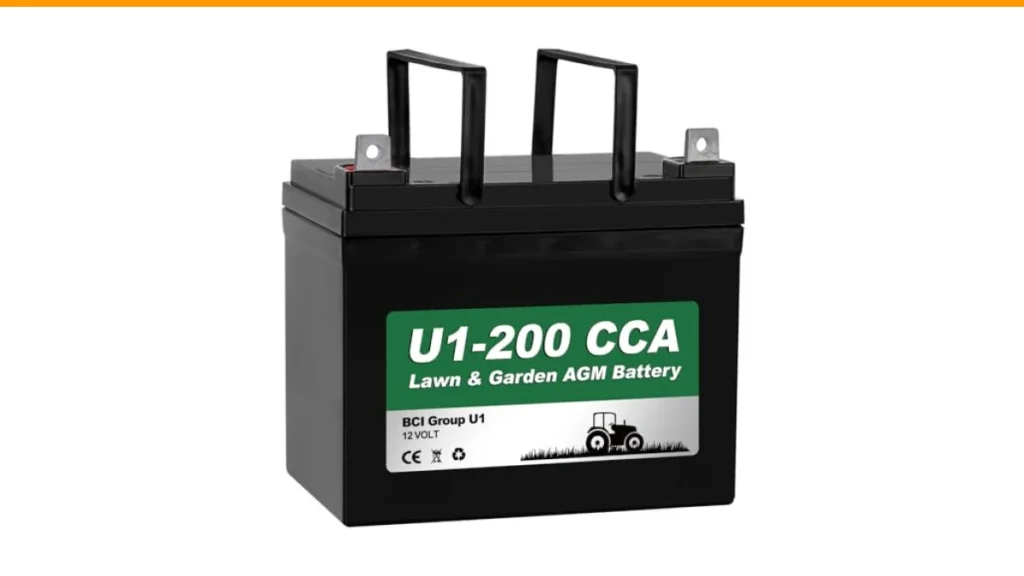
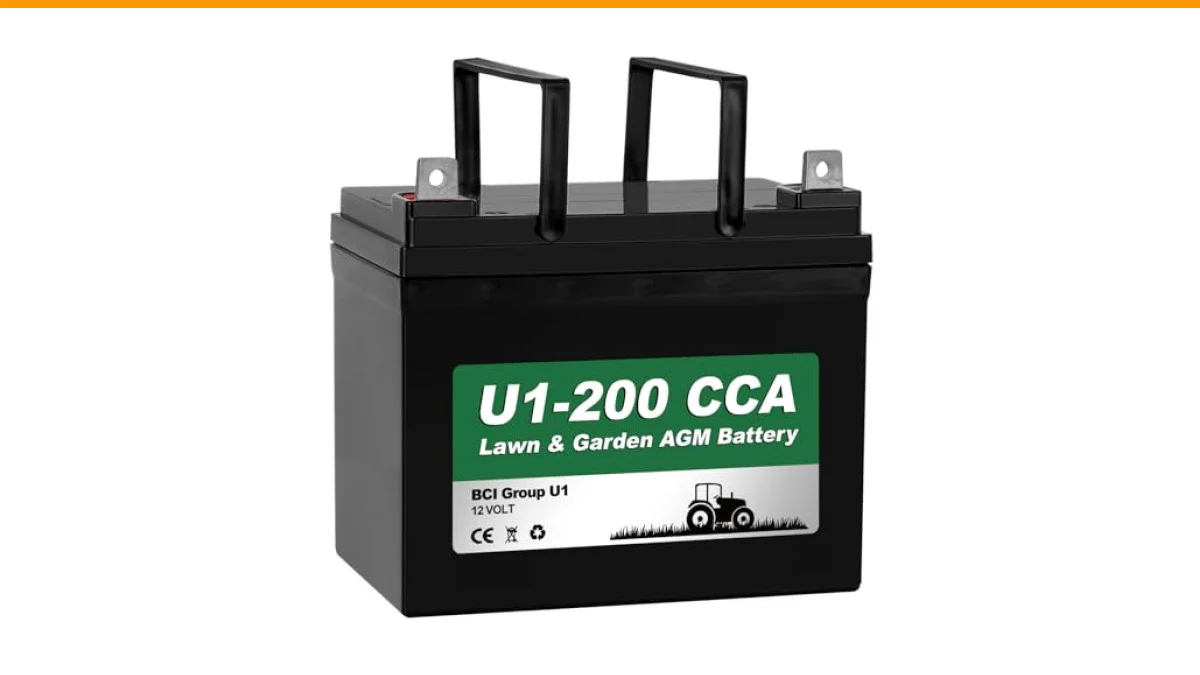
WEIZE Lawn Garden AGM Battery, 12V 200CCA BCI Group U1 SLA Starting Battery for Lawn, Tractors and Mowers, Compatible with John Deere, Toro, Cub Cadet, and Craftsman
- √ Dimensions: Length 7.68 inches, Width 5.12 inches, Height 6.22 inches, Total Height 7.09 inches; Weight: 21.5 lbs, Terminal Type…
- √ Power your lawn tractors and mowers with the high-quality Weize BCI group U1 Battery. This SLA, AGM battery provides 12V of reli…
- √ Designed to replace Group U1 batteries, it is compatible with John Deere, Toro, Cub Cadet, and Craftsman popular brands, keeping…
For effective battery performance, consider the WEIZE Lawn Garden AGM Battery. This reliable battery offers excellent power for various lawn equipment brands, ensuring your mower is always ready for action.
Understanding Battery Care
Battery maintenance starts with understanding the type of battery your mower uses. Most battery lawn mowers utilize lithium-ion or sealed lead-acid (SLA) batteries. Each type has unique maintenance requirements.
For SLA batteries, like the WEIZE AGM battery, you must regularly check the charge level. A fully charged battery should read around 12.6 volts. Avoid letting the battery discharge below 50%, as this can shorten its lifespan. Lithium-ion batteries typically don’t require as much attention but should still be monitored for optimal performance.
Regular Cleaning and Inspection
Keeping your battery mower clean is essential for its longevity. Regularly inspect the mower for grass clippings, dirt, or debris accumulation. Use a soft brush or a damp cloth to remove any buildup on the battery and mower body. Avoid using water directly on electrical components, as moisture can cause damage.
Additionally, check the battery terminals for corrosion. Clean any corrosion with a mixture of baking soda and water, applying it with a soft brush. Rinse with a damp cloth and dry immediately to prevent further corrosion.
Storage Practices
Proper storage is critical for maintaining a battery lawn mower. Always store your mower in a dry, shaded area. Extreme temperatures can adversely affect battery performance. Ideally, keep the mower in a temperature range of 50°F to 86°F.
Before storing, ensure the battery is fully charged. If you plan to store the mower for an extended period (more than a month), consider disconnecting the battery. For SLA batteries, a trickle charger can help maintain charge levels during long storage periods.
Charging Your Battery
Charging practices significantly influence battery life. Always use the charger provided by the manufacturer. Overcharging can lead to battery swelling or leaking, while undercharging may leave you with insufficient power.
For best results, follow these charging tips:
- Charge the battery after every use, even if it’s not completely depleted.
- Avoid charging in extreme temperatures; room temperature is best.
- Check the charger and connections regularly for any signs of wear.
Comparison of Battery Types
| Battery Type | Maintenance Requirements | Longevity | Cost |
|---|---|---|---|
| SLA | Regular charging; clean terminals | 3-5 years | Less expensive |
| Lithium-Ion | Minimal maintenance; monitor charge level | 5-10 years | Higher cost |
What are the signs my battery needs replacement?
Look for signs such as reduced run time, difficulty starting, or swelling. If the battery doesn’t hold a charge after following maintenance tips, it might be time for a replacement.
How often should I charge my battery lawn mower?
Charge your battery after every use. If you use your mower frequently, consider checking the charge level before each use to ensure it’s adequately powered.
Can I leave my mower plugged in all the time?
Leaving your mower plugged in constantly can lead to overcharging, which can damage the battery. Always unplug after charging is complete.
How do I clean my battery lawn mower?
Use a soft brush or damp cloth to remove debris. Pay special attention to the battery terminals and housing to prevent corrosion or buildup.
Is it safe to store my mower outdoors?
Storing your mower outdoors is not advisable. Extreme weather conditions can damage the battery and other components. Always try to store it in a climate-controlled environment.
Final Thoughts on Battery Lawn Mower Maintenance
- Regularly check and clean battery terminals.
- Charge the battery after each use.
- Store in a temperature-controlled environment.
- Monitor battery health and replace if necessary.
- Use the appropriate charger to avoid damage.
- Keep the mower clean to prevent buildup.
- Consult your mower’s manual for specific maintenance guidelines.