
Many homeowners are making the switch to battery-powered lawn mowers, seeking a quieter, more environmentally friendly solution for maintaining their lawns. The prospect of a lightweight mower that eliminates the hassle of gas, oil, and cords sounds appealing, especially for those tired of the noise and maintenance associated with traditional gas mowers. But how does battery lawn mower technology actually work, and what should you consider before investing?
This article will clarify the various components and benefits of battery lawn mowers, explain the different types of battery technology available, and provide essential tips to help you choose the best mower for your needs. By the end, you’ll have a clearer understanding of this technology and how it can simplify your lawn care routine.
Greenworks
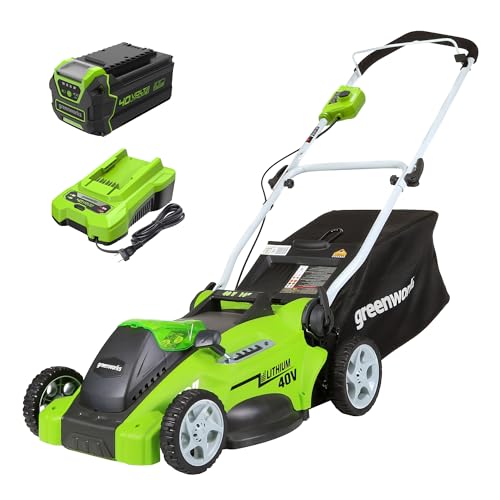
Greenworks 40V 16in Push Lawn Mower, 4.0 Ah Battery and Charger | Quiet walk-behind mower with push-button start; gas-free operation eliminates fumes and pull starts
- [16" LAWN MOWER] - This 40V lawn mower cuts up to 1/3 acre with fully charged 4.0Ah battery (varies based on grass condition and o…
- [ULTRA LIGHTWEIGHT] - 35% lighter than steel deck mowers
- [SINGLE LEVER HEIGHT ADJUST] - 5 position height adjustment
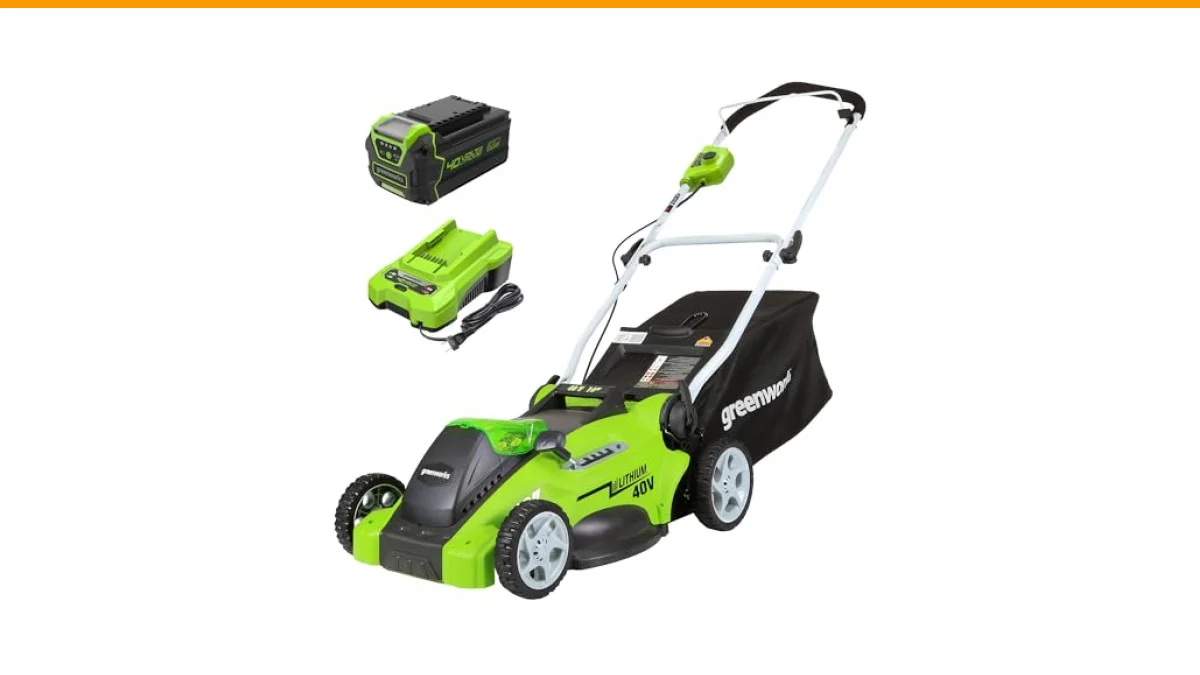
One product that showcases this technology is the Greenworks 40V 16in Push Lawn Mower. This mower features a 4.0 Ah battery and charger, allowing you to maintain up to 1/3 of an acre with just one charge. Its ultra-lightweight design and ease of use make it an excellent choice for anyone looking to transition to battery-powered lawn care.
Understanding Battery Types
Okay, but how much does the type of battery matter? It matters a lot. Battery lawn mowers generally use one of three types of batteries: lead-acid, nickel-cadmium (NiCd), and lithium-ion. Here’s a quick breakdown of each:
- Lead-Acid: These are the oldest type of rechargeable batteries. They are cost-effective but also heavy and less efficient. They often require more maintenance and have a shorter lifespan.
- Nickel-Cadmium (NiCd): NiCd batteries are lighter than lead-acid batteries and can provide a good cycle life. However, they suffer from a phenomenon called “memory effect,” which can reduce their capacity over time if not fully discharged regularly.
- Lithium-Ion: Currently the most popular choice for battery lawn mowers, lithium-ion batteries are lightweight, efficient, and have a long lifespan. They charge quickly and maintain their charge without significant power loss, making them ideal for regular lawn care.
When choosing your mower, consider battery type as a crucial factor. Lithium-ion is generally the best option for most users, providing the best balance of power, weight, and longevity.
Power and Runtime Considerations
You might wonder, how much power do I need? The power of a battery lawn mower is measured in volts (V) and amp-hours (Ah). A higher voltage typically means more power, while a higher amp-hour rating indicates a longer runtime. Most residential mowers range from 20V to 80V. For instance, the Greenworks mower operates at 40V and is suitable for lawns up to 1/3 acre.
Runtime can vary widely depending on grass thickness, mowing conditions, and the mower’s design. For example, under optimal conditions, a 40V battery can last between 30 to 60 minutes. If you have a larger lawn, it’s wise to check if the mower supports interchangeable batteries, allowing you to swap them out for extended use.
Charging and Maintenance
So, how long does it take to charge these batteries? Typically, lithium-ion batteries take around 30 minutes to 2 hours for a full charge, depending on the battery size and charger type. Fast chargers can significantly reduce downtime, which is a great advantage for anyone with a busy schedule.
Maintenance for battery mowers is generally simpler than gas mowers. Regularly check the blades for sharpness, clean the mower deck, and store the battery properly to maximize its lifespan. Avoid letting the battery fully discharge regularly, as this can harm the battery’s health.
Cost Comparison
How does the cost of battery mowers stack up against traditional gas mowers? While initial costs for battery mowers can be higher, the long-term savings on fuel, oil, and maintenance can make them cheaper over time. Here’s a quick cost comparison:
| Type | Initial Cost | Fuel Costs | Maintenance Cost | Average Lifespan |
|---|---|---|---|---|
| Gas Mower | $300 – $800 | $50 – $150/year | $50 – $100/year | 5 – 10 years |
| Battery Mower | $250 – $600 | None | $10 – $50/year | 6 – 15 years |
As seen in the table, battery mowers can be more economical in the long run, especially for homeowners who mow regularly.
How long do battery lawn mowers last on a single charge?
Battery lawn mowers can last anywhere from 30 minutes to 2 hours on a single charge, depending on the battery size, mower model, and mowing conditions.
Can you use a battery lawn mower in wet conditions?
Most battery mowers are designed for dry conditions. Using them in wet grass can lead to poor performance and potential damage. Always check the manufacturer’s guidelines.
Are battery lawn mowers quieter than gas mowers?
Yes, battery lawn mowers are significantly quieter than gas mowers. They produce minimal noise, making them ideal for residential areas, especially during early mornings or late evenings.
How do I maintain a battery lawn mower?
Maintenance includes regularly cleaning the mower deck, sharpening the blades, and ensuring the battery is stored properly when not in use. Follow the manufacturer’s guidelines for optimal care.
What is the average lifespan of a battery lawn mower?
The average lifespan of a battery lawn mower can range from 6 to 15 years, depending on the battery type and how well it is maintained.
Final Thoughts
- Battery lawn mowers offer an eco-friendly alternative to gas-powered options.
- Look for models with lithium-ion batteries for the best performance and longevity.
- Consider runtime and charging time when making your decision.
- Regular maintenance extends the life of your mower and its battery.
- Evaluate the long-term cost savings when choosing between battery and gas mowers.
For further insights, check out articles on battery lawn mowers for small lawns and battery-powered mowers for larger spaces.


