
As a homeowner, you might find yourself staring at a patchy lawn, wondering how to turn it into a lush green carpet. You’ve heard about lawn fertilizers and their benefits, but exactly how long does lawn fertilizer take to work? This question often arises after fertilizing, leaving many eager to see quick results. Understanding the timeline can help you manage your expectations and ensure your lawn gets the nourishment it needs.
This article will clarify how long various types of lawn fertilizers typically take to show results, the factors that influence these timelines, and practical tips for maximizing their effectiveness. You’ll walk away with a solid understanding of what to expect after application, making your lawn care journey smoother.

Scotts
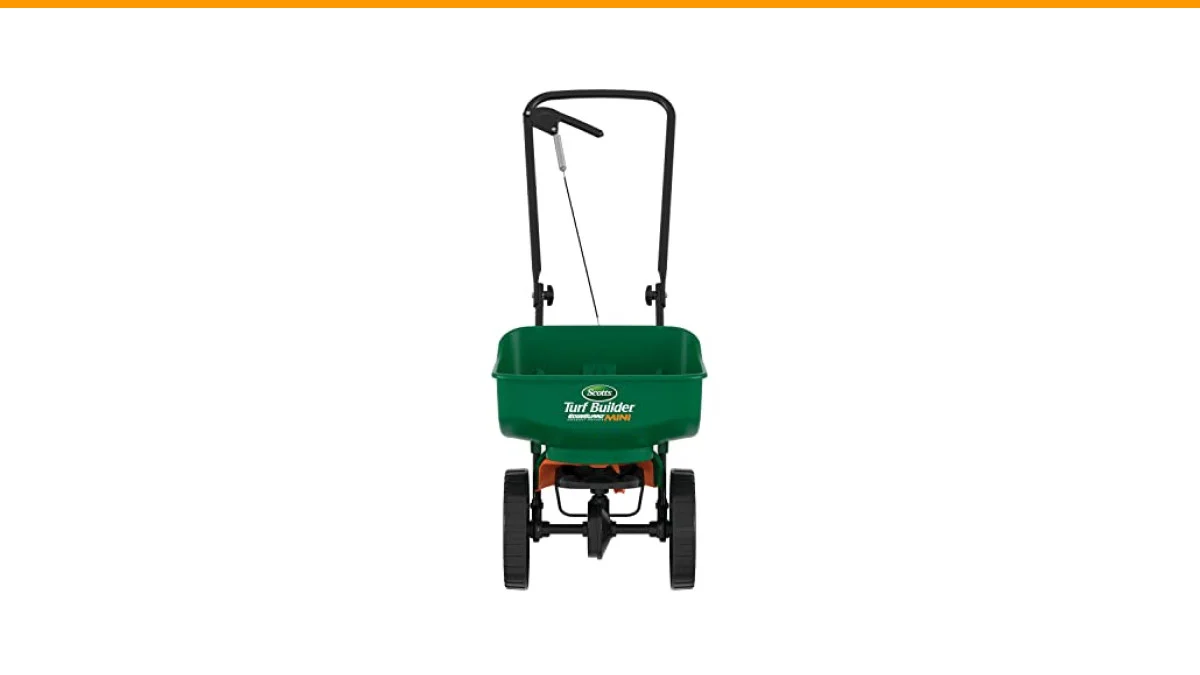
Scotts Turf Builder EdgeGuard Mini Broadcast Spreader | Spreader For Lawn Fertilizer, Weed & Insect Control, Grass Seed, and Ice Melt, Holds Up To 5,000 sq. ft. of Product
- NO ASSEMBLY REQUIRED: Scotts spreader comes pre-calibrated and ready-to-use with a fold-down handle for easy storage; use it year-…
- CAPACITY: Broadcast spreader holds up to 5,000 sq. ft. of Scotts lawn products, and can be used as a lawn food, salt, ice melt or…
- OPERATION: These fertilizer spreaders for lawns feature a hopper and agitator designed for smooth product funneling and consistent…
To assist with your fertilization efforts, consider using the Scotts Turf Builder EdgeGuard Mini Broadcast Spreader. This spreader is pre-calibrated and designed for smooth application, making it easier to achieve consistent coverage and optimal results.
Types of Lawn Fertilizers and Their Timelines
The type of fertilizer you choose significantly influences how quickly it works. Here’s a breakdown of common categories:
- Granular Fertilizers: Typically take 2 to 4 weeks to show visible results. They need moisture to break down and release nutrients. Applying them during periods of rain or watering afterward can speed up the process.
- Liquid Fertilizers: These fertilizers can show results in as little as 24 to 48 hours. They are absorbed quickly by grass and plants, providing immediate nutrition. However, they may require more frequent applications.
- Slow-Release Fertilizers: Generally take 6 to 8 weeks to fully work. They release nutrients gradually, making them ideal for long-term growth without the risk of burning the grass.
Factors Affecting Fertilizer Performance
Several factors can affect how long lawn fertilizer takes to work:
- Soil Temperature: Warmer soil temperatures (ideally above 60°F) encourage microbial activity, which helps in breaking down nutrients more quickly.
- Moisture Levels: Adequate moisture is crucial. If the soil is dry, the fertilizer will not dissolve properly, delaying nutrient availability.
- Grass Type: Different types of grass have varying nutrient needs and growth rates. For instance, cool-season grasses may respond differently than warm-season varieties.
- Application Method: Even application using a quality spreader, such as the Scotts Turf Builder, ensures consistent coverage, which can lead to better results.
Comparative Timeline of Fertilizer Types
| Fertilizer Type | Time to Work | Notes |
|---|---|---|
| Granular | 2-4 weeks | Needs moisture to activate |
| Liquid | 24-48 hours | Quick absorption, frequent applications |
| Slow-Release | 6-8 weeks | Gradual nutrient release, less risk of burning |
Common Questions About Lawn Fertilizer Timing
How can I tell if the fertilizer is working?
Look for signs of greener grass, increased growth, and improved overall health. These typically appear within the expected timeline for the type of fertilizer used.
Can I apply fertilizer too often?
Yes, over-fertilizing can damage your lawn. Follow the recommended guidelines for your specific fertilizer and avoid applying more than the recommended amount.
What happens if it rains right after I fertilize?
Light rain can help activate granular fertilizers. However, heavy rain may wash away nutrients. Timing your application to coincide with expected rain can be beneficial.
Should I water after applying fertilizer?
Watering after fertilizer application can help to activate it, especially for granular types. Aim for about 1 inch of water after application.
Is there a best time of year to fertilize?
The best time to fertilize depends on your grass type. For cool-season grasses, early spring and fall are ideal. Warm-season grasses thrive with fertilization in late spring and summer.
Final Thoughts for a Thriving Lawn
- Choose the right fertilizer type based on your grass and soil conditions.
- Monitor temperature and moisture levels to optimize fertilizer effectiveness.
- Use a quality spreader like the Scotts Turf Builder for even application.
- Be patient; some fertilizers take longer than others to show results.
- Adjust your watering schedule to aid fertilizer activation.
- Consult with local gardening resources for tailored advice.
- Regularly observe your lawn’s health to determine the best care practices.



