Many gardeners face a familiar dilemma: choosing the right pruning tool for their plants. Whether you’re tackling overgrown shrubs or delicate flower stems, the effectiveness of your pruners can significantly impact the health of your garden. While both bypass and anvil pruners serve the same purpose, their designs and functionalities cater to different pruning needs.
This guide will help you understand the key differences between bypass and anvil pruners, allowing you to make an informed decision. You’ll learn about their specific uses, advantages, and the conditions in which one may outperform the other. As a bonus, we’ll also introduce a top-rated bypass pruner that embodies these principles well.
Fiskars
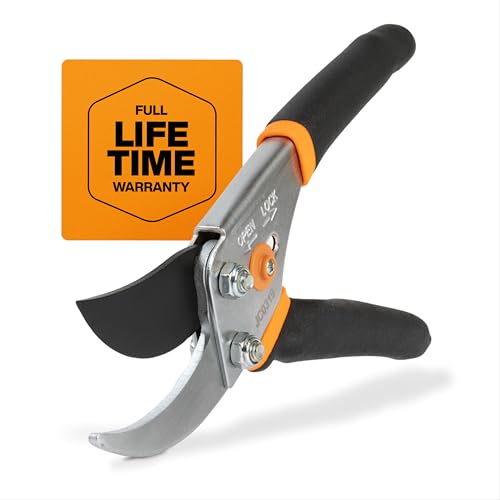
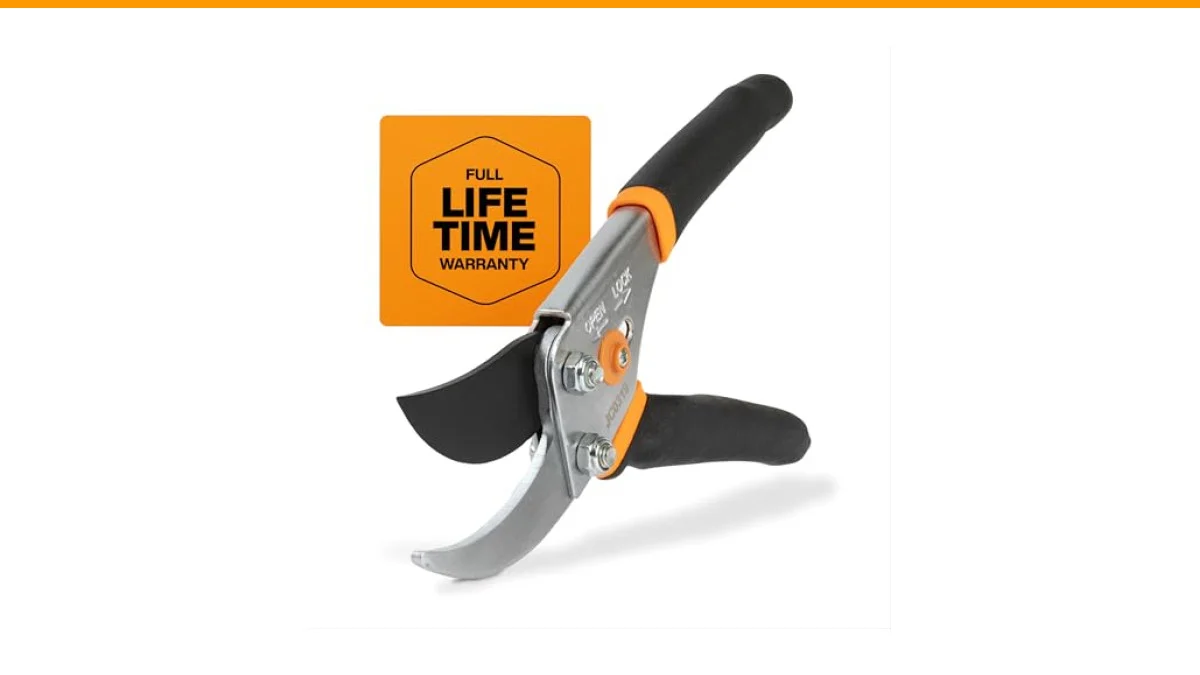
Fiskars Bypass Pruning Shears, 5/8" Cut Capacity Garden Clippers | Self-Cleaning Sap Groove Prevents Sticking, Non-Slip Grip for Cutting Stems & Branches, Steel Blades w/ Low-Friction Coating
- CLEAN CUTS FOR LIVE GROWTH: Bypass blade design is ideal for pruning delicate flower stems and green growth, helping reduce crushi…
- BLADES STAY SHARP: Precision-ground steel blades are engineered to stay sharp through heavy use, & all-steel construction provides…
- SMART BLADE FEATURES: Blade coating helps reduce friction for smoother cuts, minimizes sap buildup & gumming, and enhances resista…
The Fiskars Bypass Pruning Shears make an excellent choice for gardeners who prioritize clean cuts on live growth. With a cut capacity of up to 5/8 inches in diameter, these shears are perfect for delicate pruning tasks, thanks to their precision-ground steel blades designed to remain sharp through heavy use.
Understanding Bypass Pruners
Bypass pruners feature two curved blades that pass by each other when cutting, similar to scissors. This design allows for clean cuts, making them ideal for pruning live plants, flowers, and soft stems, where preserving the plant’s integrity is crucial.
- Best for: Live growth and delicate stems.
- Cutting method: Scissor-like action.
- Advantages: Less crushing, cleaner cuts, ideal for health of plants.
Understanding Anvil Pruners
Anvil pruners consist of a straight blade that cuts against a flat surface (the anvil). This design works well for cutting through dead wood and thicker branches but may cause some crushing of live stems. Anvil pruners can be beneficial for larger, tougher plants that require significant pruning.
- Best for: Dead wood and thicker branches.
- Cutting method: Blade cuts against an anvil.
- Advantages: Effective for tougher materials, less effort required for thick branches.
Comparative Analysis: Bypass vs Anvil Pruners
When deciding between bypass and anvil pruners, consider the following factors:
| Feature | Bypass Pruners | Anvil Pruners |
|---|---|---|
| Cutting Mechanism | Scissor-like action | Blade against anvil |
| Best Use | Live plants and green growth | Dead wood and thicker branches |
| Cut Quality | Clean, less damage | Can crush stems |
| Ease of Use | Requires more hand strength | Less effort for thick cuts |
FAQs About Bypass and Anvil Pruners
1. What type of plants are bypass pruners best for?
Bypass pruners excel in cutting live plants, particularly delicate flowers and young stems. Their design minimizes crushing, preserving the health of your plants.
2. Are anvil pruners suitable for all types of pruning?
Anvil pruners are best suited for dead or dry wood. They may not be ideal for live plants due to the potential for crushing stems, which can harm the plant.
3. How do I maintain my pruners?
Regularly clean the blades to prevent sap build-up and rust. For optimal performance, sharpen the blades as needed and lubricate the pivot point.
4. Can I use one type of pruner for all jobs?
While it’s possible to use one type of pruner for various tasks, having both can greatly improve your gardening efficiency. Bypass pruners are better for live growth, while anvil pruners are ideal for tougher materials.
5. How do I choose between bypass and anvil pruners?
Consider the types of plants you’ll be pruning. If your focus is on delicate flowers and live growth, opt for bypass pruners. For tougher jobs involving dead wood, choose anvil pruners.
Final Thoughts
- Bypass pruners are ideal for live plants, providing clean and precise cuts.
- Anvil pruners work best on dead wood and thicker branches.
- Clean and maintain your pruners for optimal performance.
- Consider having both types in your gardening toolkit for versatility.
- Evaluate the specific needs of your garden before making a purchase.
For further gardening resources, check out our gardening guide and explore additional tools that can enhance your gardening experience.