How to Choose Pruning Shears: A Comprehensive Guide
Contents
Imagine standing in your garden, surrounded by thriving plants and flowers, but noticing some overgrown branches and wilting stems. You reach for your pruning shears, but find yourself wondering if you have the right tool for the job. Choosing the right pruning shears can make all the difference, not only in how effectively you prune but also in how comfortable the process is for you.
This guide will equip you with the knowledge you need to select the perfect pair of pruning shears. From understanding the different types to knowing the key features to look for, you will walk away ready to make an informed purchase. Whether you’re a novice gardener or a seasoned pro, understanding how to choose pruning shears is essential for maintaining a healthy garden.
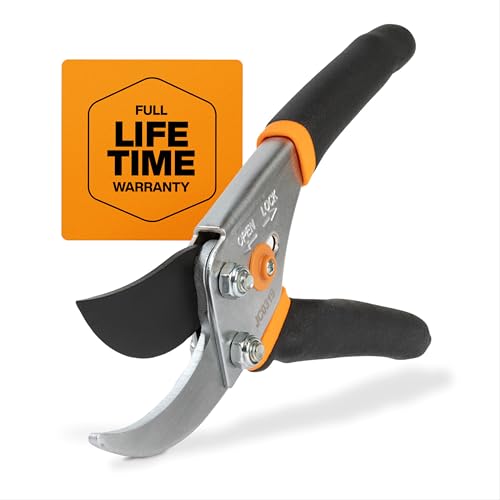
Fiskars
Fiskars Bypass Pruning Shears, 5/8" Cut Capacity Garden Clippers
- CLEAN CUTS FOR LIVE GROWTH: Bypass blade design is ideal for pruning delicate flower stems and green growth, helping reduce crushi…
- BLADES STAY SHARP: Precision-ground steel blades are engineered to stay sharp through heavy use, & all-steel construction provides…
- SMART BLADE FEATURES: Blade coating helps reduce friction for smoother cuts, minimizes sap buildup & gumming, and enhances resista…
One such option that aligns well with effective pruning is the Fiskars Bypass Pruning Shears. With a 5/8″ cut capacity, these shears are designed for clean cuts on delicate stems and green growth, making them a worthy investment for your gardening toolkit.
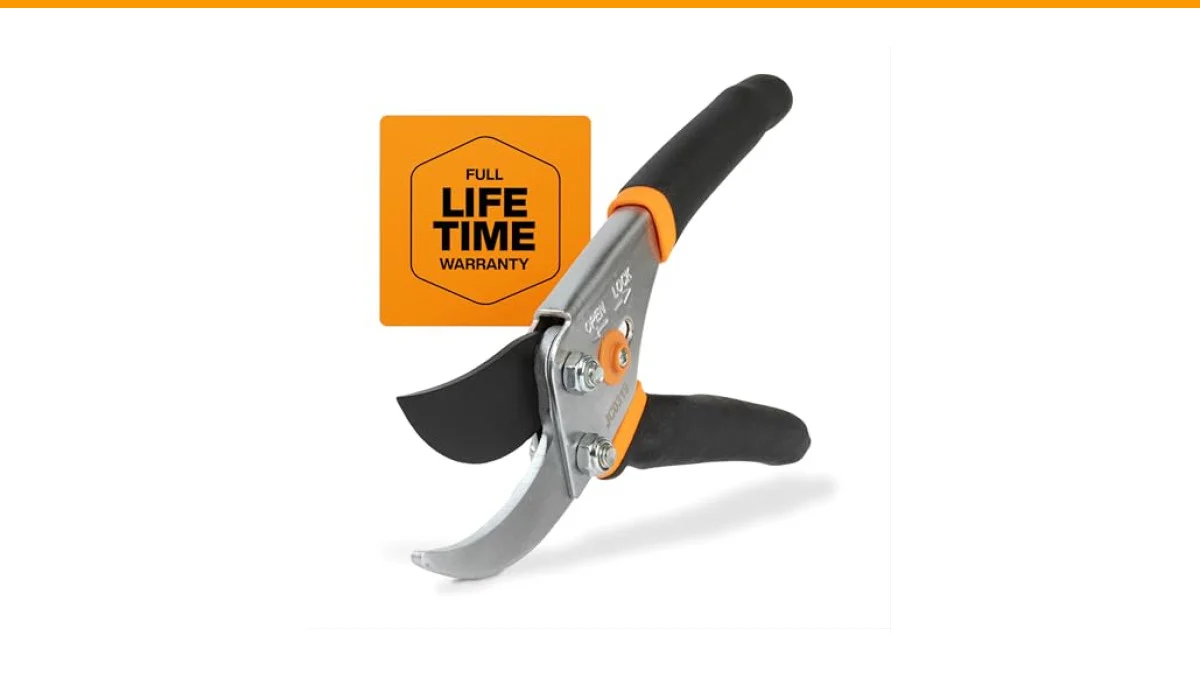
Types of Pruning Shears
Before diving into the features of pruning shears, it’s essential to understand the different types available:
- Bypass Pruners: These feature two blades that pass by each other, similar to scissors. They are ideal for cutting live stems and provide clean cuts.
- Anvil Pruners: This type has a single blade that cuts against a flat surface (the anvil). They are best for dry or dead wood.
- Ratchet Pruners: These have a mechanism that allows for more leverage, making them easier to use on thicker branches.
- Micro-Tip Pruners: These are smaller and designed for precision tasks like snipping herbs or cutting flowers.
Key Features to Consider
When learning how to choose pruning shears, several key features can help guide your decision:
- Blade Material: Look for high-carbon steel or stainless steel blades. High-carbon steel holds its edge longer but may rust; stainless steel is more resistant to rust.
- Cutting Capacity: Determine the maximum thickness of branches you’ll be cutting. Most pruning shears can handle up to ¾” diameter branches, but some are designed for thicker cuts.
- Ergonomics: Check for comfortable, non-slip handles. If you’re doing a lot of pruning, a comfortable grip can prevent hand fatigue.
- Weight: Lighter shears reduce fatigue over extended use. Consider your strength and how long you’ll be using them.
- Locking Mechanism: A safety lock keeps the blades closed when not in use. This is crucial for safe storage and transport.
Comparative Table of Pruning Shears
| Type | Best For | Blade Material | Cutting Capacity | Weight |
|---|---|---|---|---|
| Bypass | Live growth and delicate plants | High-carbon steel or stainless steel | Up to ¾” | Lightweight |
| Anvil | Dead wood and tough branches | High-carbon steel | Up to 1″ | Moderate |
| Ratchet | Thick branches with less effort | Stainless steel | Up to ¾” | Heavier |
| Micro-Tip | Precision tasks, flowers, and herbs | High-carbon steel | Up to ¼” | Very lightweight |
Common Questions About Choosing Pruning Shears
What’s the difference between bypass and anvil pruners?
Bypass pruners have two blades that pass by each other, making them ideal for live plants. Anvil pruners have one blade that cuts against a flat surface, which is better for dead or dry wood.
How do I maintain my pruning shears?
Clean your shears after each use to remove sap and dirt. Regularly oil the blades to maintain performance and prevent rust. A simple wipe with a clean cloth and a few drops of oil will suffice.
Can I use pruning shears for other tasks?
While their primary function is for cutting plants, pruning shears can also be effective for tasks like cutting wire or opening bags. However, avoid using them on hard materials to preserve the blade’s sharpness.
What size pruning shears do I need?
Choose shears that fit comfortably in your hand. If you have smaller hands, look for compact models. The right size will help reduce fatigue and improve your cutting precision.
Are more expensive pruning shears worth it?
Higher-priced shears often feature better materials and ergonomics. While you can find budget-friendly options, investing in quality tools can save you money in the long run through durability and performance.
Final Thoughts on Choosing Pruning Shears
- Identify the types of plants you’ll be pruning.
- Consider the cutting capacity based on the thickness of branches.
- Look for ergonomic designs to enhance comfort during use.
- Choose materials that balance durability and ease of maintenance.
- Test different models to see which feels best in your hands.
- Remember to maintain your shears for optimal performance.
- Keep an eye on prices and check the current price on Amazon for the Fiskars Bypass Pruning Shears.