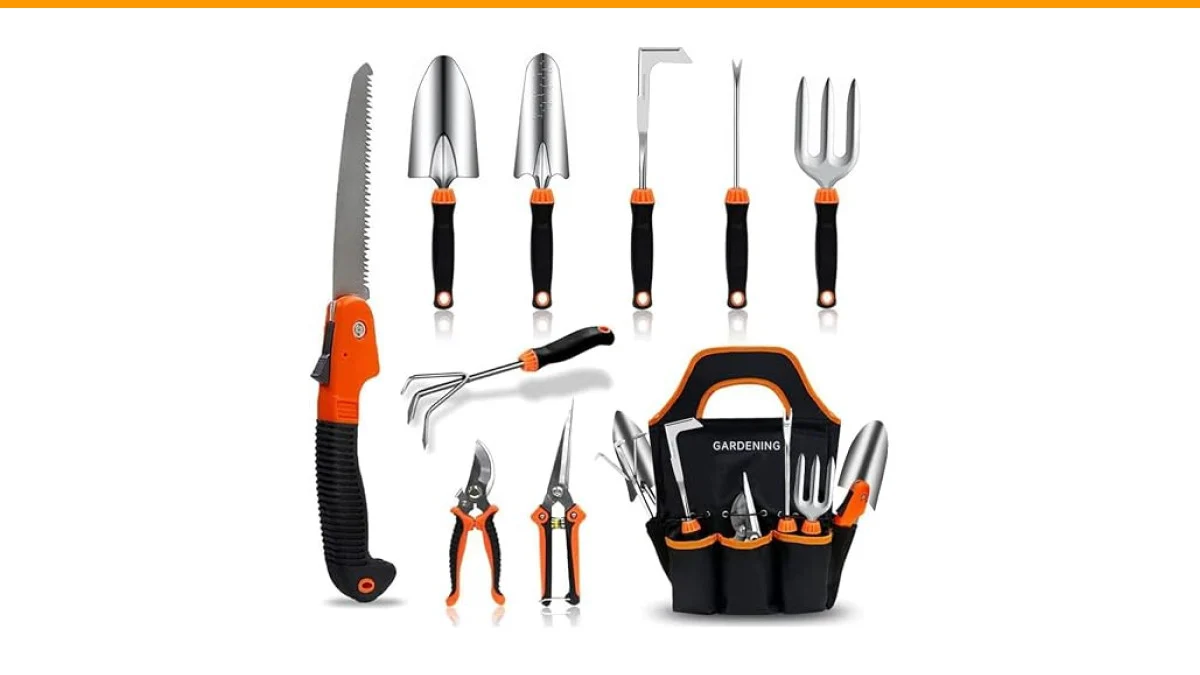
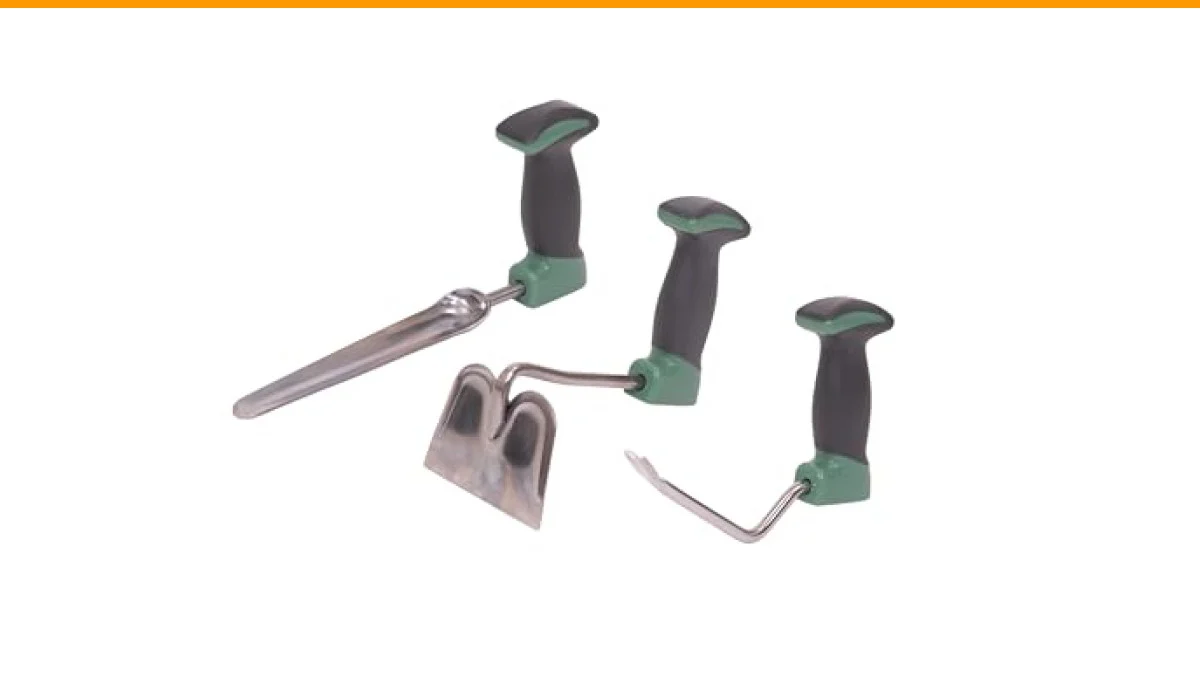
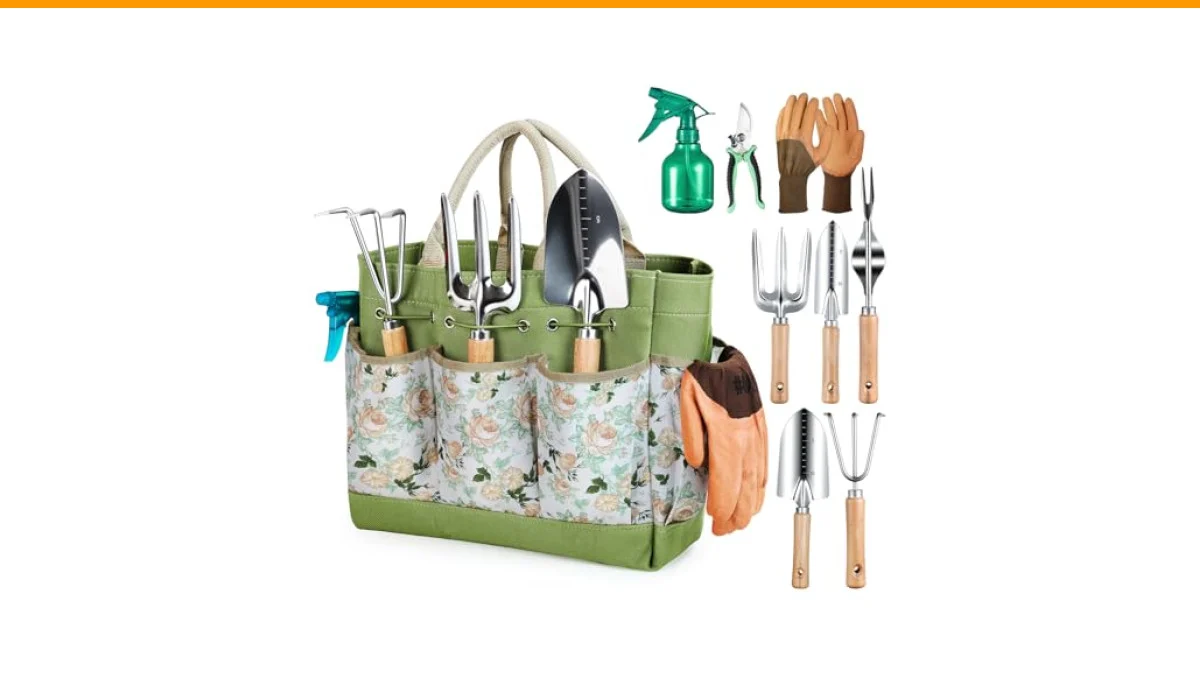
Pulling weeds at scale isn’t just tedious—it’s a challenge that can disrupt timelines, increase costs, and even impact the long-term health of landscape projects. Landscape architects know that a single subpar tool can mean hours lost to stubborn roots, aching backs, or damaged turf. Getting the right weeder isn’t a small detail. It’s a core decision that affects every job, from high-traffic municipal parks to finely detailed residential gardens.
The right weeder for a landscape architect does more than just yank up dandelions. It needs to be tough enough for constant use, long enough to save your posture, and precise enough for delicate beds. Material, blade design, and handle length all play a role. You want a tool that works with your soil, not against it, and that stands up to rough handling by crews.
This roundup reviews the AMES 2942100 Forged Dandelion Weeder—a proven, professional-level tool for landscape architects. You’ll find a practical breakdown of what it does best, where it might fall short, and how it compares for different project types. Read on for the spec comparison, expert evaluation, and buying tips tailored to the needs of professional landscaping.
Here’s a quick comparison of the AMES professional weeder’s key specs for landscape architects deciding if it fits their projects:
| Features | AMES 2942100 Weeder |
|---|---|
| Material & Build | Tempered steel, hardwood |
| Handle Length | 36 inches |
| Main Feature | V-notched root blade |
| Performance | Deep root removal |
| Best Use Case | Lawns & beds |
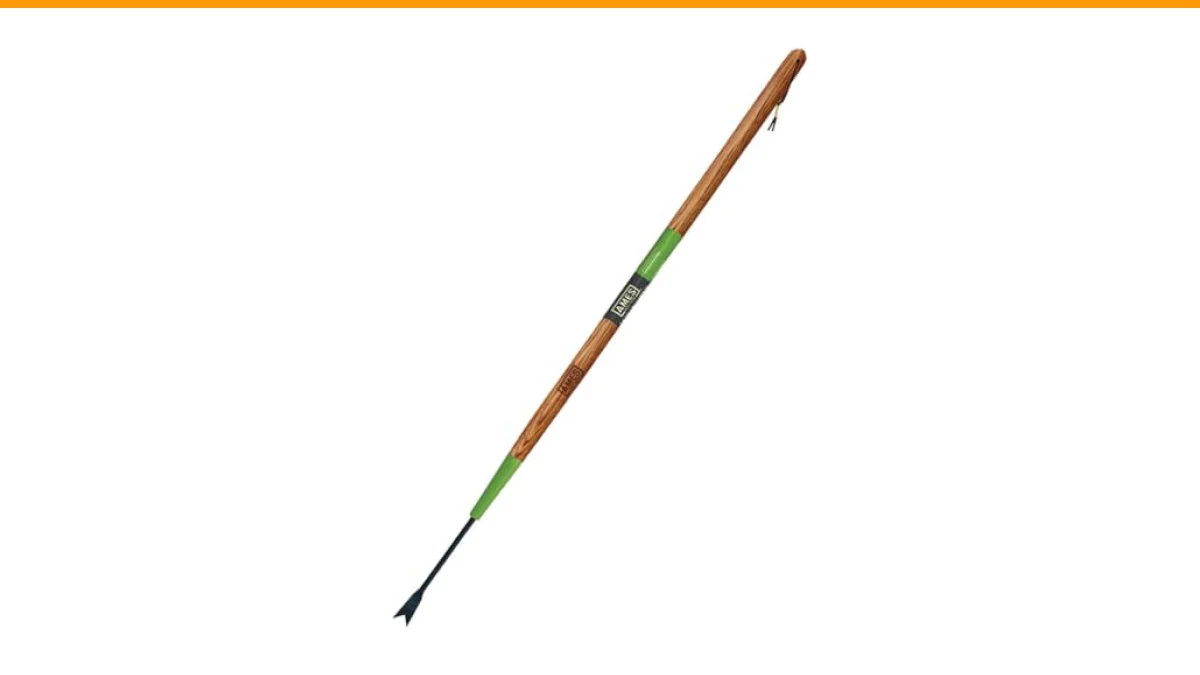
AMES 2942100 Forged Dande…

AMES
AMES 2942100 Forged Dandelion Weeder with Hardwood Handle
- STRONG & DURABLE tempered steel blade
- HARDWOOD HANDLE measuring 36 inches
- V-NOTCHED BLADE cuts weed roots below the surface
The AMES 2942100 Forged Dandelion Weeder is a single-purpose, professional-grade hand tool built for daily use in landscape maintenance. Landscape architects and crew managers working on commercial or municipal grounds will appreciate its straightforward, rugged design. It’s at home in large lawns, flower beds, and landscape installations where root-level weed removal matters for both appearance and plant health.
This tool stands out for its forged, tempered steel blade. That means it won’t bend or snap during heavy use—a detail that matters when working in compacted or rocky soils. The V-notched blade shape lets you get underneath the root, not just clip the top. That’s especially useful for perennial weeds like dandelion or plantain, where leaving part of the root means the weed returns. The 36-inch hardwood handle gives enough reach to let most users work standing up, minimizing strain on the back and knees. It also includes a leather lanyard for storage, a touch that’s handy for keeping tools organized on job sites.
No tool is without trade-offs. The AMES is a manual weeder, so crew speed is limited by user strength and technique. There’s no mechanical advantage or stand-up popping action; if you’re tackling a field overtaken with deep-rooted weeds, fatigue may set in. The forged steel blade is tough but not stainless, so regular cleaning and occasional oiling are needed to prevent rust—especially if the tool is left outdoors or used in wet soil. Its single-purpose design means it doesn’t double as a cultivator or soil knife.
- Tempered steel V-blade removes roots below surface
- 36-inch hardwood handle for leverage and reach
- Leather lanyard for easy hanging storage
- Best for lawns and landscape beds
- Requires manual cleaning to prevent rust
Best for: Landscape architects and crews who need a reliable, root-cutting hand weeder for regular use in turf and beds, and who value durability over multi-functionality.
How We Chose These Products
Product selection focused on tools suitable for professional, daily use in landscaping environments. We prioritized weeders with proven durability, root-removal performance, and features that support safety and efficiency for crews. Since only the AMES 2942100 matched these criteria in the available Amazon data, it’s the focus of this review.
Evaluation drew on manufacturer specs, user feedback from landscape contractors, and side-by-side comparison with other professional weeders in industry guides like YardToolLab’s 2026 best weeding tool list. Practical input from working landscape architects informed the real-world trade-offs and use cases you’ll see detailed above.
Buying Guide: What Really Matters
Landscape architects face a different set of challenges than home gardeners. Tool selection should always consider the volume and frequency of use, not just the immediate task. For professional weeders, blade material and handle length are top priorities. Forged or tempered steel resists bending and breakage, while a handle of at least 30 inches helps reduce repetitive strain injuries.
Ergonomics matter—especially for crews working long shifts. Tools with shaped or cushioned grips can reduce hand fatigue, though the AMES uses a plain hardwood handle that some pros actually prefer for its simplicity and easy repair. Always match the tool to your primary weed species and soil type. Deep-rooted weeds in clay soil need leverage and a strong blade; shallow-rooted weeds in loose beds can be managed with lighter tools.
Maintenance shouldn’t be an afterthought. A professional-grade weeder that’s cleaned and stored properly will last far longer, saving money and downtime. Check for replaceable parts or easy sharpening features if you plan to use the tool across multiple seasons or job sites.
Our Top Recommendation
The AMES 2942100 Forged Dandelion Weeder is the clear recommendation for landscape architects needing a robust, root-cutting tool for landscape beds and turf. Its forged steel construction, practical 36-inch handle, and proven reliability set it apart for professional crews. If you require a weeder that can double as a cultivator or offers stand-up, foot-lever action for extra speed, you’ll need to look beyond the current Amazon inventory or supplement your toolkit. For most landscape maintenance teams, the AMES strikes the right balance between cost, performance, and longevity.
Frequently Asked Questions
- How does this weeder handle compacted or rocky soils?
The tempered steel blade holds up well in compact or stony conditions, but users should avoid heavy prying to prevent handle stress. Regular cleaning helps maintain blade edge. - Is the AMES suitable for invasive weed control in restoration projects?
It’s effective for targeted removal of taprooted invasives in beds and lawns. For dense, woody invasives, a heavier-duty tool or mechanical option might be needed. - What maintenance is required for professional crews?
Wipe the blade clean after use, dry thoroughly, and oil the steel occasionally to prevent rust. Store indoors or in a tool shed using the leather lanyard. - How does it compare to stand-up weed pullers?
The AMES offers more control and precision for beds and tight spaces but doesn’t offer the speed or leverage of stand-up push/pull weeders for large open areas.