Your greenhouse tomatoes are curling their leaves like clenched fists. The lettuce bolted three weeks early. Even the succulents look sunburned, and they are supposed to love heat. If any of this sounds familiar, you have a shade problem, not a watering problem.
A good greenhouse shade cloth fixes this without turning your growing space into a cave. The right pick balances three things: shade percentage, airflow, and durability. Get those wrong and you will either cook your plants or starve them of light.
Below you will find five shade cloths matched to specific grower types, plus a plant-by-plant shade chart, climate zone guidance, and the disease science most reviews skip. The Sukh 70% takes top honors for most greenhouse growers, but the 40% and 55% options win for vegetable-heavy setups. Keep reading to find your match.
Here is a quick side-by-side of the key specs that separate these five shade cloths.
| Features | Sukh 70% | BobbleT 55% | DGSL 40% | Shade&Beyond 90% | QLOFEI 40-50% |
|---|---|---|---|---|---|
| Shade Percentage | 70% | 55% | 40% | 90% | 40-50% |
| Material | HDPE mesh | HDPE with UV stabilizers | HDPE, aluminum grommets | 200GSM HDPE | HDPE lock-stitch knit |
| Size | 6.5 x 10 ft | 6 x 10 ft | 6.5 x 13 ft | 8 x 12 ft | Multiple sizes |
| Key Feature | Breathable mesh | Cuttable, no fraying | Grommets every 3.28 ft | Double grommets, 2 ft apart | Reinforced corners |
| Best Use Case | Greenhouse cooling | DIY garden beds | Vegetables and patios | Patio and pergola | Kennels and coops |
Sukh 70% Shade Cloth for…

Sukh
Sukh 70% Shade Cloth for Garden - 6.5 x 10 FT Sunblock Black Mesh Tarp | Sun Shade Sail with Grommets for Patio, Greenhouse, Outdoor Plants, Raised Beds Netting, Privacy Fence Screen for Balcony
- 70% Shading Rate: The shade cloth is highly effective in sun protection, cooling and ventilation. Shade cloth for garden effective…
- High-Quality Material: 2 x 3 meters garden shade cloth is made of high-density polyethylene (HDPE), which is tear-resistant, wear-…
- Lightweight And Breathable: Mesh tarp with high-density breathable mesh structure, air can flow freely without being stuffy. After…
Picture a grower in Arizona or inland California running a greenhouse through July. The Sukh 70% was built for that person. It suits anyone who needs serious heat reduction without sealing off airflow, and it works well for summer vegetable production, nursery stock, and any greenhouse where midday temps regularly push past 95°F.
What sets this one apart is the balance between density and breathability. The HDPE mesh blocks 70% of UV rays while still letting air move through, which matters more than most buyers realize. Trapped heat under a non-breathable cover does more damage than direct sun in many cases. The material handles light rain and breeze without tearing, and you can water straight through it without removing the cloth. That saves real time during peak season.
Here is the catch: 70% shade is too aggressive for fruiting crops like tomatoes and peppers in cooler climates. They will stretch toward the light and produce less. And at 6.5 x 10 feet, this size fits small to mid-size greenhouses, not large commercial frames. You may need two panels for wider structures, which means more seams and more tie points.
- 70% UV block rate suited to intense summer sun
- High-density polyethylene resists tearing and aging
- Breathable mesh keeps air circulating under cover
- Water passes through for direct irrigation
- Lightweight enough for rope or tie installation
Best for: Greenhouse growers in hot, sunny climates who need strong heat relief without sacrificing airflow.
55% Shade Cloth for Garde…

BobbleT
55% Shade Cloth for Garden,HDPE Cuttable Sun Shade for Plants,Mesh Garden Shade Cloth for Greenhouse Vegetables,Plant Heat Protection Black Cover for Patio Raised Bed (6×10FT)
- OPTIMAL 55% SHADE RATE: Our HDPE shade net is specially designed for garden and greenhouse plants, featuring a 55% shade rate that…
- DIY FRIENDLY & NO FRAYING: The shade cloth can be freely cut to any size or shape to fit your specific needs, whether it’s a small…
- SOIL COOLING & MOISTURE RETENTION: By reducing direct exposure, it significantly slows down soil evaporation, keeping the ground c…
The BobbleT 55% targets a very specific grower: the DIY gardener with an odd-shaped bed or a custom greenhouse frame. Someone who has measured twice, cut once, and still ended up with a 7-foot span instead of 6. This cloth is cuttable, and the heat-sealed edges stop fraying, which is rare at this price point.
That 55% shade rate hits a sweet spot for photosynthesis. It blocks over half the harsh sun but leaves enough light for strong growth. The brand claims an 8-12°F drop in plant and soil surface temperature, which lines up with what you would expect from a mid-density knit. Soil stays moist longer under it, so you water less. Air still moves, rain still passes through, and the UV-stabilized HDPE should hold up three to five years outdoors.
One honest note: because it is cuttable, you will need to measure carefully. The heat-sealed edges help, but a sloppy cut with dull scissors can still leave a weak spot. Also, 55% is not enough for desert greenhouses in July. It works for temperate zones and partial-shade crops, not for full-on heat assault.
- 55% shade rate supports photosynthesis and prevents leggy growth
- Cuttable with heat-sealed edges to stop fraying
- Reduces soil temperature by roughly 8-12°F
- Non-toxic HDPE safe for plants, pets, and people
- 3-5 year outdoor lifespan with UV stabilizers
Best for: DIY gardeners with custom greenhouse dimensions or raised beds who want a mid-range shade rate they can trim to fit.
6.5Ft x 13Ft 40% Shade Cl…

DGSL
6.5Ft x 13Ft 40% Shade Cloth Greenhouse Tarp Mesh with Grommets for Plants | 40% UV Block, Tear-Resistant HDPE, Rustproof Aluminum Grommets, Multi-Use for Garden, Pergola & Chicken Coop
- 40% Balanced Shade — The Sweet Spot for Most Gardens: Compared to higher-density shade cloths that block more sunlight, this 40% o…
- Durable HDPE Construction with Reinforced Details: Made from tear-resistant high-density polyethylene with reinforced edges. Rustp…
- Versatile Enough for Plants, Pets, and People: Use it over greenhouses, raised beds, chicken coops, dog kennels, pergolas, carport…
Meet the tomato grower. The DGSL 40% is for the person whose greenhouse is packed with peppers, squash, beans, and leafy greens, and who wants protection from the worst midday sun without dimming the whole structure. It is also a solid pick for patios and pergolas where you want shade for people, not just plants.
Forty percent shade is the workhorse rate for most vegetable gardens. It cuts the harshest rays while letting plenty of light through. The reinforced edges and rustproof aluminum grommets every 3.28 feet make installation straightforward. You can hang it with rope, zip ties, bungee cords, or hooks. No special tools, no guesswork. The 6.5 x 13-foot size covers more ground than the first two picks, which helps if your greenhouse has a longer footprint.
The trade-off is that 40% will not cut it in extreme heat. If your greenhouse regularly hits triple digits, this cloth alone will not save your plants. You will need a higher percentage or a second layer. And while the aluminum grommets resist rust, the fabric itself is still a lightweight knit, so high winds can stress the edges over time.
- 40% shade rate ideal for vegetables and flowers
- Aluminum grommets every 3.28 feet for secure hanging
- Works for greenhouses, coops, kennels, and carports
- Provides light frost protection in spring and fall
- Larger 6.5 x 13 ft coverage area
Best for: Vegetable-focused greenhouse growers in moderate climates who want light shade without sacrificing growth.
Shade&Beyond 90% Sun Shad…
Shade&Beyond
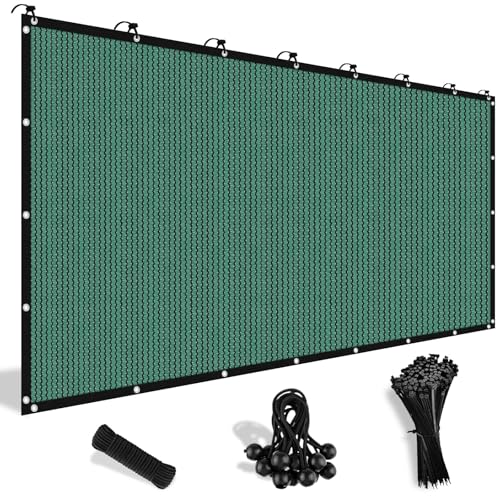
Shade&Beyond 90% Sun Shade Cloth with Grommets, 8' X 12' Pergola Shade Cover Canopy, Mesh Tarp Sun Screens for Patio, Outdoor, Garden, Backyard, Green
- 90% Sun Block: Shade&Beyond shade cloth with grommets provides 90% UV protection and resists UV fading. With excellent shading and…
- Premium Shade Fabric: Crafted from 200GSM high-density polyethylene (HDPE) material, the pergola shade cover is built to last. HDP…
- Easy to Install: With included grommets on each side every 2 ft apart and fixing accessories, you can easily attach the sun shade…
Some buyers need maximum shade, not balanced shade. The Shade&Beyond 90% is for the person covering a pergola, a patio, a carport, or a greenhouse in a brutal desert climate where 70% is not enough. It is also a good fit for shade-loving plants like ferns, hostas, and certain orchids that scorch under anything brighter.
The 200GSM HDPE fabric is noticeably heavier than the other picks here. That weight translates to durability and better UV resistance over time. Double grommets every 2 feet along each edge distribute stress evenly, so the cloth holds up in wind and rain. The seams and stitching are reinforced, and the material resists UV fading. For a patio shade cover or a greenhouse in Phoenix, this is a serious piece of gear.
But 90% is a lot of shade. Most vegetables will struggle under it. Tomatoes, peppers, and squash need more light than this allows, so reserve it for shade-tolerant plants or non-growing applications. It is also the heaviest and bulkiest option here, and availability can be spotty. Check the current price and stock on Amazon before committing.
- 90% UV block for extreme heat and shade-loving plants
- 200GSM HDPE for superior strength and fade resistance
- Double grommets every 2 feet for even stress distribution
- Reinforced seams and stitching for weather durability
- 8 x 12 ft size suits pergolas and large patio areas
Best for: Desert growers, patio shade seekers, and anyone covering shade-loving plants or non-growing outdoor spaces.
Shade Cloth for Garden Pl…

QLOFEI
Shade Cloth for Garden Plants Greenhouse, 40-50% Sunblock Neting -for Outdoor Garden Lawn Plant Sun Shade Cloths for Kennel Chicken Coop Easier to Hang Net Cover
- 【High Quality ,More sizes, Give you more choices】- Our Shade Cloth can resist rays and most sunlight while air can still flow thro…
- 【 Best Material 】- Shade Cloth Made from high density polyethylene which is lightweight but durable. The material provides maximum…
- 【Best Technology 】- Lock-stitch knitting technology can avord unraveling and accumulating. Designed reinforced corner, Sun Shade C…
The QLOFEI shade cloth is the generalist of the group. It comes in multiple sizes, which makes it a practical choice for someone who is not sure exactly what they need yet. It works for greenhouses, kennels, chicken coops, patios, and anywhere else you need to knock down sun and heat. If you keep animals or run a mixed-use outdoor space, this one covers a lot of ground.
Lock-stitch knitting technology keeps the fabric from unraveling, and reinforced corners add strength where it matters most. Grommets sit along each reinforced edge every 40 inches, so you can hang it without worrying about tearing. The HDPE material is lightweight but tough, and it allows air and water to pass through. Cleaning is simple with a garden hose.
The 40-50% shade range is a bit vague compared to the other picks, which state exact percentages. That ambiguity makes it harder to plan for specific crops. Also, the grommet spacing at 40 inches is wider than the DGSL and Shade&Beyond options, so you will need more tie points to keep it from sagging in the middle.
- 40-50% shade range for general sun reduction
- Lock-stitch knit resists unraveling and accumulating
- Reinforced corners and grommets every 40 inches
- Multiple sizes available for different setups
- Suitable for kennels, coops, greenhouses, and patios
Best for: Buyers who need a versatile, multi-size shade cloth for mixed outdoor uses beyond just the greenhouse.
How We Chose These Products
We started with shade percentage because it is the single most important spec. A 40% cloth and a 90% cloth solve completely different problems. From there we looked at material quality, grommet placement, edge reinforcement, and whether the fabric allows airflow. A shade cloth that traps heat defeats its own purpose.
We also weighed real-world factors: size options, cuttability, UV stabilization, and how easy each one is to install without special tools. Products with vague shade ratings or flimsy edge construction got marked down. The five picks here represent distinct buyer profiles, not just a ranked list. For a second opinion on what else is out there, this independent shade cloth review roundup covers additional options worth comparing.
Buying Guide: What Really Matters
Shade percentage drives everything. Vegetables like tomatoes and peppers want 30-50% shade. Lettuce, spinach, and leafy greens do better at 40-60%. Orchids, ferns, and shade-loving ornamentals need 60-80%. Succulents and cacti in a greenhouse often want 50-70% during peak summer. Match the percentage to your crop before you buy anything.
Climate matters just as much. A grower in the Pacific Northwest may never need more than 40% shade. Someone in the Southeast deals with humidity and disease pressure, so breathability becomes critical. Desert growers in the Southwest need 70-90% shade and should prioritize UV-stabilized HDPE with reinforced edges. Your zip code should influence your shade percentage as much as your plant list does.
Material construction is the third pillar. Knit HDPE is breathable and flexible. Woven HDPE is stronger but heavier. Aluminized reflective cloth runs cooler but costs more and is harder to find. For most greenhouse growers, a UV-stabilized knit HDPE in the 40-70% range hits the best balance of cost, airflow, and durability. If you are also prepping your greenhouse for cold weather, see our guide to best greenhouse plastic for winter to pair with your summer shade setup.
Our Top Recommendation
The Sukh 70% Shade Cloth wins for most greenhouse growers. It hits the sweet spot between serious sun blocking and breathable airflow, and the HDPE construction holds up season after season. For hot-climate growers who need real heat relief, it is the safest bet.
If your greenhouse is vegetable-heavy and your summers are moderate, the DGSL 40% is the better match. It lets more light through and covers a larger area. And if you are working with custom dimensions or odd-shaped beds, the BobbleT 55% gives you cuttable fabric with sealed edges that will not fray. All three are solid picks. The right one depends on your plants and your climate, not on which costs the most.
Frequently Asked Questions
Does shade cloth affect pollination and beneficial insects?
It can, but usually in a good way. A 40-50% knit cloth lets bees and beneficial insects move through the mesh without obstruction. Higher densities like 70-90% can slow them down, especially larger pollinators. If your greenhouse relies on natural pollination, stick to 40-60% shade and keep the cloth at least a foot above the crop canopy.
Can shade cloth cause powdery mildew or botrytis?
Only if airflow is poor. The disease risk comes from trapped humidity, not from the cloth itself. Breathable HDPE mesh prevents heat and moisture buildup. Avoid draping cloth directly on plants, and leave gaps at the sides for cross-ventilation. Loose-fit or roll-up installation beats a sealed, tensioned cover in humid climates.
How do I clean and store shade cloth at the end of the season?
Rinse it with a garden hose to remove dust and pollen. For stubborn grime, use mild soap and a soft brush. Let it dry completely before folding. Store it in a dry, rodent-free bin or bag. Never fold it wet, because trapped moisture can weaken the HDPE fibers over winter. A dry, dark storage spot can add years to the cloth’s life.
Should I remove shade cloth in winter?
Yes, in most cases. Shade cloth is designed for summer heat reduction, not winter insulation. Leaving it up blocks the weak winter sun your plants need. Take it down in fall, store it properly, and put it back up when spring temperatures start pushing past 75°F. If you use a lower-density cloth for light frost protection, remove it once the risk of frost passes.
Does shade cloth percentage work the same in every climate?
No. A 50% cloth in Seattle feels very different from a 50% cloth in Tucson. Humidity, altitude, and average UV intensity all change how much stress your plants face. Desert growers should size up by 20-30% compared to temperate growers. Coastal growers can often size down. Your local climate zone matters as much as the percentage on the label.
For a deeper look at how shade cloth fits into a complete greenhouse setup, including shelving and tool organization, browse our greenhouse shelving guide for layout ideas that keep airflow moving.