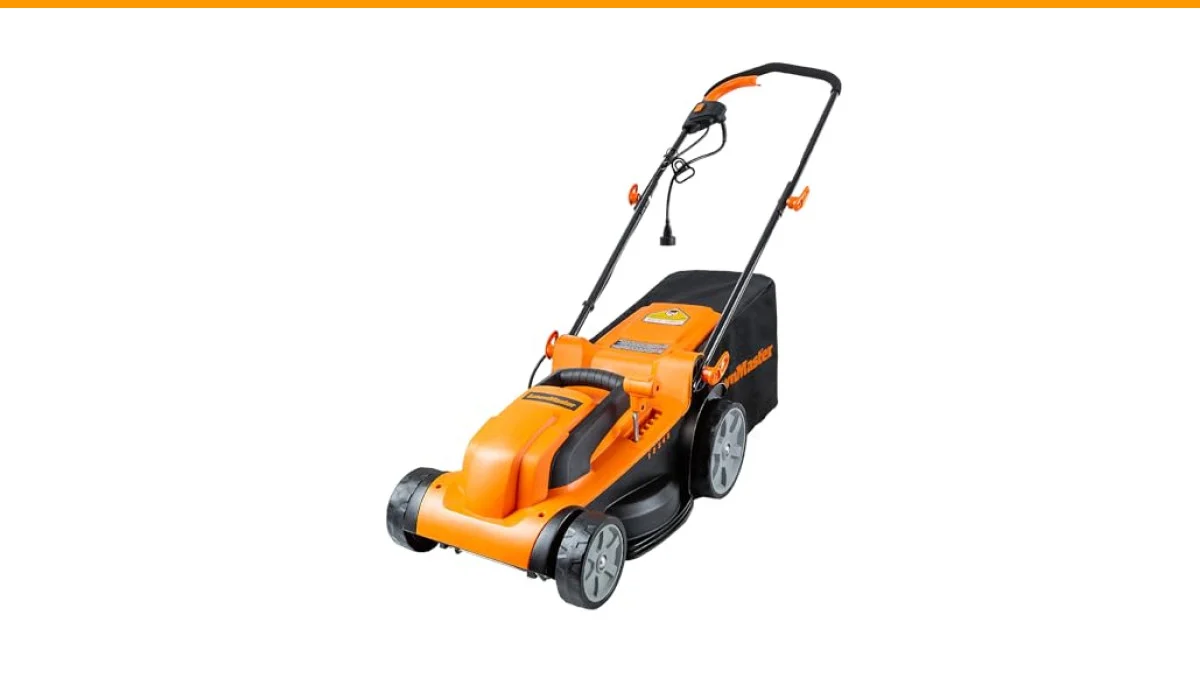
You finish mowing the front lawn, and it looks like a hay field threw up on your shoes. Clumps of wet grass stick to the deck, and the yard is littered with wads of green that smother the grass underneath. You sharpen the old blade, but the next cut is just as messy. The problem isn’t your mowing technique. It’s the blade geometry.
A standard blade is designed to lift grass and throw it out the discharge chute. A mulching blade is built to chop clippings into fine particles and drive them back down into the soil. The secret is in the curved wings and cutting edges that create a vacuum inside the deck. That airflow recirculates the clippings until they are small enough to fall between the grass blades. The payoff is a clean cut without raking or bagging, plus free fertilizer for your lawn.
We narrowed the field to four blades that cover the most common mower setups. You have a 21-inch walk-behind from MTD, Troy-Bilt, or Craftsman. You have a 42-inch riding mower with a star-shaped spindle. You might even run a commercial 54-inch Hustler. Each pick below solves a specific fitment problem. Here is the shortlist.
Here is a quick look at how the top picks compare on the specs that matter most.
| Features | Maxpower 331528B | Grasscool 42-Inch | Grasscool 942-0741A | MaxPower 561156XB |
|---|---|---|---|---|
| Best For | 21-inch walk-behinds | 42-inch riding decks | 21-inch push mowers | 54-inch commercial decks |
| Key Spec | Bow tie center hole | 5-point star hole | Universal 21-inch fit | Set of 3 blades |
| Material | USA made steel | 5mm thick steel | Steel, OEM grade | Commercial USA steel |
| Blade Length | 21-inch cut | 21-inch length | 21-inch cut | 18.5-inch length |
| Mount Type | OEM replacement | Star pattern specific | OEM replacement | 5/8-inch center hole |
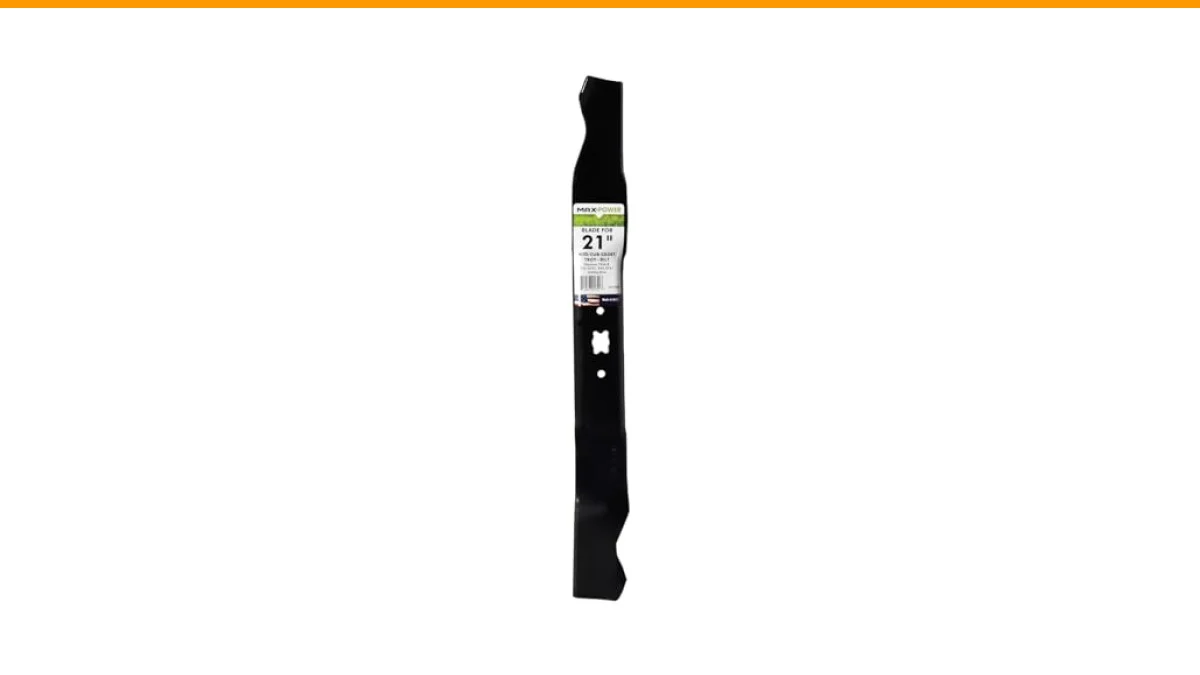
Maxpower 331528B Universal Fit

Maxpower
Maxpower 331528B USA MADE 21" Cut Mulching Blade | For 21" Cut MTD/Cub Cadet/Troy-Bilt Mowers, Replaces 742-0741, 942-0741, CMXGZAM100067
- Includes 1 mulching blade for many 21 in. cut MTD, Cub Cadet, Troy-Bilt, and Craftsman mowers. Must Match Current Blade OEM Number…
- Replaces OEM #'s: 742-0741, 742-0741A ,742-04276, 742-04276S, 942-0641, 942-0741, 942-0741A 942-04276, 942-04276S, CC-742-0741; Cr…
- Fits Cub Cadet Models: CC Series- CC 46M, CC 46MZ, CC 46ES, CC 439, CC 469, CC 949, CC 94M, CC 98M, CC 98H, CC 98K, CC 99M, CC 989…
The Maxpower 331528B is the replacement blade for a massive chunk of the residential mower market. If you own a Troy-Bilt TB series, a Cub Cadet SC series, or an MTD 214, this blade is likely the exact match you need. It replaces a long list of OEM numbers, including the common 742-0741 and 942-0741 variants. You do not need to guess if it fits; the compatibility list covers most walk-behind mowers made after the mid-1990s.
What stands out here is the build quality. This blade is made in the USA from heat-treated steel. The cutting edge stays sharp longer than the stamped steel blades that come stock on many budget mowers. The bow tie center hole fits the universal spindle pattern used across MTD brands. Installation is straightforward if you have a socket wrench and a block of wood to jam against the blade.
The trade-off is the lack of aggressive wing design. It mulches dry grass well, but wet or tall grass will still clump if you try to cut too much at once. It is not a commercial-grade blade, so expect to sharpen it once or twice a season depending on your yard size. For the price, it is a solid upgrade over a dull factory blade.
- Replaces OEM numbers 742-0741, 942-0741, and 942-04276
- Fits MTD, Cub Cadet, Troy-Bilt, and Craftsman 21-inch mowers
- Bow tie center hole with 5/16-inch outer holes
- USA made from heat-treated steel
- Single blade purchase
Best for: Homeowners with a Troy-Bilt or Cub Cadet walk-behind who want a direct OEM replacement without hunting for the exact part number.
Grasscool 42-Inch Star Fit
Riding mower blades are a different animal. The Grasscool 42-inch set is built for Craftsman T110, LT1000, and LT2000 models, plus Poulan Pro and Husqvarna units with a 42-inch deck. The critical detail is the 5-point star mounting hole. Many Craftsman mowers use a 6-point star pattern, and those require a different blade. If you pull your old blade and see a 5-point star, this is the one.
The blade measures 21 inches long and features a toothed mulching design. Those serrated edges help shred leaves and thick grass before the airflow recirculates them. The 1-inch lift creates enough vacuum to keep clippings suspended under the deck, which reduces the chance of clogging on dry grass. It replaces OEM numbers like 134149 and 138498, which covers several generations of AYP-built mowers.
You need to be careful with fitment here. The product description is clear that this will not fit the 6-point star pattern. Measure your old blade or look at the spindle before ordering. The blades are also 5mm thick, which is heavier than some stock blades. That extra weight helps with momentum but may cause more vibration if the deck is bent or the spindle is worn.
- Fits Craftsman T110, LT1000, LT2000, and similar 42-inch decks
- 5-point star center hole (not 6-point)
- 21-inch length, 2.5-inch width, 5mm thickness
- Toothed edge for leaf shredding
- Replaces OEM 134149, 138498, and 139775
Best for: Owners of Craftsman or Poulan 42-inch riding mowers with the 5-point star spindle who need a durable toothed blade for mixed grass and leaves.
Grasscool 942-0741A Walk-Behind

Grasscool
Grasscool 21 inch Mower Mulching Blade for Troy Bilt 942-0741A TB130 TB240 | TB110 TB230 TB200 TB130XP TB160 TB210 TB320,Walk-Behind Push Self-Propelled MTD 21'' Lawn Push Mowers,Craftsman M250 M230
- [Who is 942-0741A Blade for?]:Designed for homeowners with Walk-Behind, Push and Self-Propelled Mowers with a 21-inch Cutting Deck…
- [Precise Fit]:Exact OEM replacement:942-0741 942-0741A 742-0741 742-0741A 490-100-C089 490-100-M067 490-100-M084 490-100-N084 490-…
- [Fits Troy-Bilt models]:including TB449E, Tru-Cut 110, Tru-Cut 100, Tuff-Cut 200, Tuff-Cut 210, Tuff-Cut 220, Tuff-Cut 230, Pro-Cu…
This Grasscool blade is another universal option for the 21-inch walk-behind crowd, but it casts a wider net than the Maxpower. It fits Troy-Bilt, MTD, Craftsman, Cub Cadet, Murray, Snapper, and Yard Machines. If you have a mismatched collection of mowers in the shed, this one blade can serve as a spare for several of them. The replacement list includes the 742-0741 and 490-100 series numbers, which are common across many brands.
The design handles tough conditions better than a standard blade. It works on weedy lawns by cutting off seed heads before they spread. It manages debris-filled yards by sucking up leaves and twigs without clogging the discharge. It also performs decently on damp grass, which is where many mulching blades fail. The curved surface creates enough suction to pull wet clippings up for a second cut.
One limitation is the absence of a hardened coating. The steel is good quality, but it will dull faster if you frequently mow sandy soil or hit rocks. You will need to sharpen it more often than a premium boron steel blade. It is also a single blade, so if you have a twin-blade deck, you need to buy two.
- Fits walk-behind mowers from 1995 and newer
- Replaces OEM 942-0741, 742-0741, and 490-100 series
- Compatible with Troy-Bilt TB series and Cub Cadet SC series
- Handles weedy, damp, and debris-filled lawns
- Bow tie center hole pattern
Best for: Homeowners with older or multiple walk-behind mowers who want one reliable blade that fits across several brands.
MaxPower 561156XB Commercial Set

Maxpower
MaxPower 561156XB USA Made 3 Commercial Mulching Blade Set | For 54" Hustler mowers, Replaces OEM numbers 797704, 797712, 438-0001-00
- 3 Commercial Mulching Blade Set for 54" Hustler mowers
- Replaces OEM numbers 797704, 797712, 438-0001-00
- Meaures 18-1/2" L and 2-1/2" W
Commercial mowers need commercial blades. The MaxPower 561156XB is a set of three blades built for 54-inch Hustler mowers. It replaces OEM numbers 797704 and 797712. If you are running a Hustler with a 54-inch deck, this is a direct drop-in replacement that keeps your mower running without paying dealer prices for factory parts.
These blades measure 18.5 inches long and 2.5 inches wide. The 5/8-inch center hole is the standard for commercial spindles. The steel is thicker and harder than residential blades, which means it holds an edge longer through heavy use. The mulching design is aggressive, with a high lift that keeps clippings circulating under the deck even at faster ground speeds.
The catch is the price. A three-blade set costs more than a single residential blade, but you are paying for commercial durability. This set is not for a 42-inch homeowner deck. The bolt pattern and length are specific to Hustler. If you run a different brand, measure your blade length and center hole before ordering.
- Set of 3 blades for 54-inch Hustler decks
- Replaces OEM 797704, 797712, and 438-0001-00
- 18.5-inch length with 2.5-inch width
- 5/8-inch center hole
- USA made for commercial use
Best for: Lawn care professionals or large property owners with a 54-inch Hustler who need a reliable set of mulching blades without the dealer markup.
How We Chose These Products
We started with fitment. A mulching blade that does not match your spindle is useless, so we prioritized blades with clear compatibility lists and common OEM replacement numbers. We looked for products that cover the most popular mower brands and deck sizes, from 21-inch walk-behinds to 42-inch and 54-inch riding decks. Each pick had to solve a specific problem, not just be a generic piece of metal.
We also evaluated the design. The shape of the wing, the curvature of the cutting edge, and the presence of serrations all affect how well a blade mulches. We favored blades with a pronounced lift that creates airflow under the deck. We considered material quality and whether the blade is made in the USA, as that often indicates better steel and heat treatment. Finally, we balanced price against durability, knowing that a cheap blade that dulls in a month is not a bargain.
Buying Guide: What Really Matters
Mulching blades are not all the same. The geometry of the blade determines how well it chops grass and returns it to the lawn. Look for a blade with curved wings or fins near the cutting edge. These wings create the vacuum that pulls clippings up and recirculates them. A flat blade with a sharp edge is just a standard blade; it will throw clippings out the side instead of mulching them. The angle of the wing also affects lift. High-lift blades create more suction but can bog down in tall grass. Low-lift blades are better for dry conditions but do not mulch as finely.
Fitment is the biggest source of confusion. Mower decks have different spindle patterns. Some use a bow tie shape, others use a 5-point or 6-point star, and some have a simple round hole with a keyway. You need to match the center hole of the new blade to your spindle. The length must also match the deck size. A 21-inch blade goes on a 21-inch deck. Measure the old blade from tip to tip and check the shape of the center hole. If you order the wrong pattern, the blade will not seat properly and can cause dangerous vibration.
Material matters for longevity. Most residential blades are made from stamped steel that is hardened. Commercial blades often use thicker steel or boron-alloyed material that stays sharp longer. If you have a large yard or mow frequently, spend a little more on a thicker blade. If you mow a small city lot, a standard blade will be fine. Sharpening is part of the deal. A mulching blade needs a sharp edge to cut grass cleanly. A dull blade tears the grass, leaving brown tips. Plan to sharpen your blade every 20 to 25 hours of mowing, or at least once a season.
For more details on specific mower types, check out our guide on mulching large areas or the small yard blade options.
How Mulching Blades Actually Work
The physics is simple but powerful. A mulching blade is shaped like a fan. As it spins, the angled wings push air downward. This creates a low-pressure zone under the deck that sucks grass up from the lawn. The grass hits the cutting edge and is sliced. The airflow then pushes the clippings around the inside of the deck in a circular pattern. The clippings are cut again and again until they are small enough to fall out of the airflow and settle into the soil.
This is why blade sharpness is only part of the story. A sharp edge cuts the grass, but the wings do the mulching. If the wings are worn down or the blade is bent, the airflow is disrupted. You end up with clumps of grass on top of the lawn instead of fine particles. That is why you should replace a blade that is bent or has significant wear on the wings, even if the cutting edge is still sharp.
Mulching returns nitrogen to the soil. Grass clippings are about 85 percent water and contain nitrogen, phosphorus, and potassium. When you leave the clippings on the lawn, they break down quickly and feed the grass. This can reduce your fertilizer needs by up to 25 percent. It also keeps organic matter out of landfills, where grass clippings take up space and produce methane as they decompose.
High-Lift vs. Low-Lift vs. Mulching
Standard blades come in two main types. High-lift blades have tall wings that create strong airflow. They are excellent for bagging because they throw clippings up and back into the catcher. They also work well in dry conditions. The downside is that they can scalp the lawn on uneven ground and may leave clumps in wet grass. Low-lift blades have shorter wings and create less suction. They are used on mowers with low horsepower or on decks that are prone to clogging. They do not bag or mulch well.
Mulching blades are a hybrid. They have a moderate lift and a curved cutting edge that creates a recirculating airflow pattern. They are designed to cut clippings multiple times. You can use a mulching blade with a bagger, but it will not fill the bag as efficiently as a high-lift blade. If you switch between mulching and bagging, you may want to keep two sets of blades. For most homeowners, a dedicated mulching blade is the best choice. It keeps the lawn healthy and saves time.
How to Measure Your Mower Deck for a Perfect Fit
Getting the right blade starts with three measurements. First, measure the length of your current blade. Remove the blade and lay it flat. Measure from one cutting tip to the other. This is the blade length, and it must match the new blade. A 21-inch deck uses a 21-inch blade. Second, measure the width of the blade at the widest point. Most are between 2 and 3 inches. Third, look at the center hole. Note the shape and the size of the hole. Is it a round hole, a bow tie, or a star? If it is a star, count the points. This is the most common reason for returns.
Check the spindle. The spindle is the part of the mower deck that the blade bolts to. It has a shaft that goes through the center hole of the blade. The shape of the shaft must match the shape of the hole in the blade. If you have a star-shaped shaft, you need a blade with a star-shaped hole. If the hole is too small, the blade will not fit. If it is too large, the blade will wobble and cause vibration. When in doubt, look up your mower model number and the OEM blade part number. The product listings on this page include long lists of compatible OEM numbers. Match yours to the list.
You also need the right hardware. Most blades use a single bolt or nut in the center. Some use two bolts. Check the size of the bolt. A 5/16-inch bolt is common on walk-behinds, while riding mowers often use a 5/8-inch bolt. The blade must have a center hole that fits the bolt. When you install the new blade, torque the bolt to the manufacturer’s specification. A loose blade is dangerous. A blade that is too tight can strip the threads. Use a torque wrench if you have one.
How to Diagnose Common Mulching Problems
Clumping is the most common complaint. It happens when the grass is too tall or too wet. The blade cannot chop the clippings fine enough, so they stick together. The fix is to mow more often and avoid cutting more than one-third of the grass blade at a time. Mow when the grass is dry. If you must mow wet grass, slow down and take smaller passes. You can also raise the deck height to cut less grass per pass.
Uneven cut is another issue. This is often caused by a dull blade or a mower deck that is not level. Check the blade for sharpness. If it is dull, sharpen it or replace it. Check the deck for level. Park the mower on a flat surface and measure the distance from the ground to the deck edge at the front and back. The front should be slightly lower than the back. Adjust the deck height if needed. Also, check the tire pressure. Uneven tire pressure can cause the deck to tilt.
Excessive vibration is a safety concern. Stop the mower and inspect the blade. A bent blade is the usual cause. A bent blade will wobble as it spins, which stresses the spindle and can cause damage. Replace a bent blade immediately. Vibration can also come from a loose blade bolt or an unbalanced blade. If you sharpen the blade, make sure you remove the same amount of material from each end. An unbalanced blade will vibrate. If you have this problem, check out our guide on the best impact wrench for blade removal to make the job easier.
Frequently Asked Questions
How often should I replace my mulching blade?
Most manufacturers suggest replacing a blade after 25 hours of use or once a season. That assumes normal conditions. If you hit rocks, roots, or sand, the blade will dull faster. Inspect the blade monthly. Look for nicks, bends, and a dull cutting edge. If you can see a shiny edge, it is worn. If the blade is bent, replace it right away. A bent blade is dangerous and can damage the spindle.
Can I use a mulching blade with a bagging attachment?
Yes, but it is not ideal. A mulching blade is designed to recirculate clippings. When you use a bagger, the airflow is redirected into the bag. The mulching blade will still cut the grass, but it may not fill the bag as completely as a high-lift blade. You may also get more clumping in the bag. If you bag most of the season, consider a high-lift blade. If you mulch most of the season, keep the mulching blade on.
Why does my mulching mower leave clumps on the lawn?
Clumps usually mean the grass is too tall or too wet. A mulching blade can only chop a certain amount of grass at a time. If you cut more than a third of the blade height, the clippings will clump. Mow more frequently. Mow when the grass is dry. Slow down your ground speed. If the problem persists, check the blade. A dull or bent blade will not create enough airflow to recirculate the clippings.
Are OEM blades better than aftermarket replacements?
OEM blades are guaranteed to fit and perform. They are made to the exact specifications of the mower manufacturer. Aftermarket blades can be just as good, but you must check the fitment. The blades on this page are aftermarket replacements that match OEM part numbers. They are made from quality steel and are often less expensive than the dealer part. The key is to match the length, width, center hole, and lift. If those match, the aftermarket blade will perform like the original.
The Bottom Line: Are Mulching Blades Worth It?
Yes, if you want a healthier lawn and less work. Mulching blades eliminate the need to bag clippings. You save time on every mow. You also return nutrients to the soil, which reduces the need for fertilizer. The clippings break down quickly and do not cause thatch buildup if you mow regularly. The only real downside is the need to mow more often in the peak growing season. If you let the grass get too tall, a mulching blade will struggle.
Our top pick for most homeowners is the Maxpower 331528B. It covers the most common walk-behind mowers and offers a genuine upgrade in cut quality. For riding mower owners, the Grasscool 42-inch set is the right choice if you have the 5-point star pattern. If you run a commercial Hustler, the MaxPower 561156XB set delivers the durability you need. Whichever you choose, make sure the blade is sharp and the deck is level. A good blade is only part of the equation.