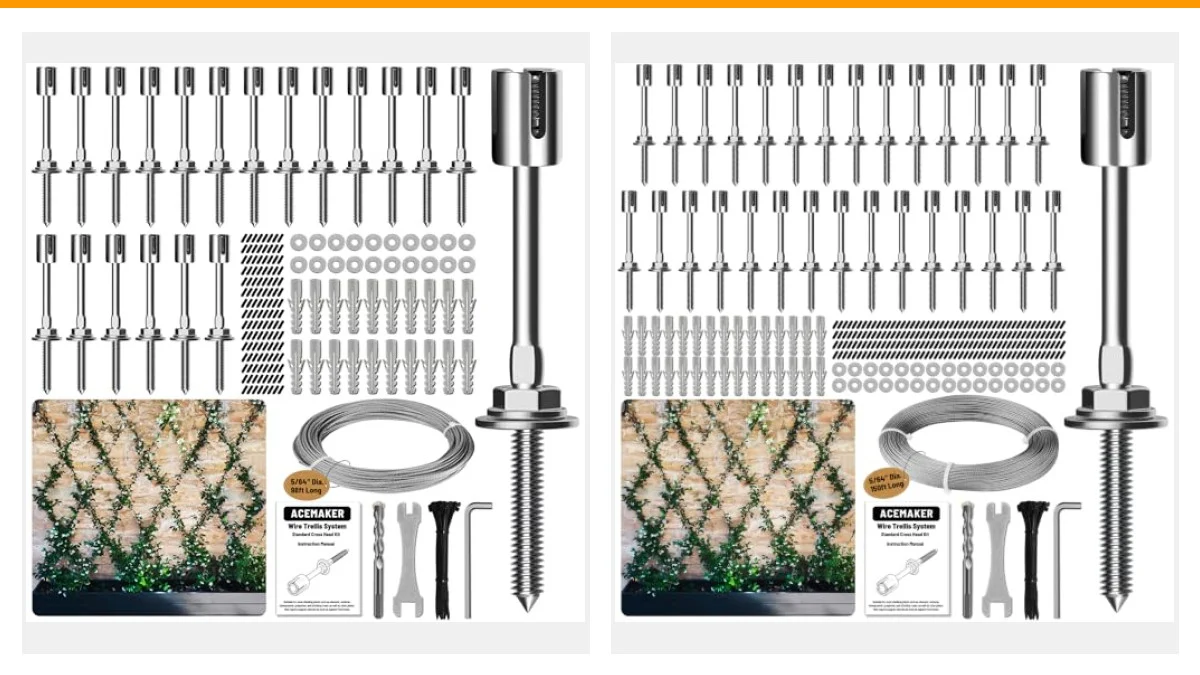
A bare fence or empty arbor is wasted garden space. You walk past it every day and see nothing but wood or metal. Flowering vines fix that fast, turning vertical surfaces into living walls of color, fragrance, and pollinator traffic.
The catch is picking the right vine for your structure, climate, and patience level. A heavy climber on a flimsy trellis will collapse. A tender tropical vine planted in zone 5 will die at first frost. Annuals bloom in months, perennials take years but reward you every season after. Getting the match right matters more than the seed count on the packet.
Below are five picks that cover the main routes: classic perennial clematis, fast annual color, romantic climbing roses, fragrant jasmine, and the arch trellis that holds it all up. Each entry notes who it suits and where it falls short. For a deeper species breakdown, our climbing vines guide covers more options.
Here is a quick side-by-side of the key differences before the detailed reviews.
| Features | CarpetC Clematis | Dark Red Morning Glory | Mixed Climbing Rose | Climbing Jasmine | Trellume Garden Arch |
|---|---|---|---|---|---|
| Type | Perennial vine seeds | Annual vine seeds | Perennial vine seeds | Fragrant vine seeds | Steel arch trellis |
| Height | 6-12 feet | Fast climbing | 8-12 feet | Fast-growing coverage | 94.5 inches tall |
| Bloom | Spring to fall | Summer blooms | Long season waves | Aromatic fragrant blooms | Support structure only |
| Hardiness | Zones 3-9 | Tender annual | Perennial zones | Warm climate vine | All-weather steel |
| Best Use | Arbors, fences | Quick summer color | Romantic arches | Fragrant screens | Entrances, weddings |
CarpetC 200+ Mixed Clemat…

Carpet Creeping
CarpetC 200+ Mixed Clematis Seeds for Planting, Perennial Climbing Vine Large Blooms, Non-GMO Heirloom Flower Seeds for Trellises, Arbors & Garden Fences
- [Showy Star-Shaped Blooms] Produces large, eye-catching flowers in a range of colors and forms. Blooms appear from spring through…
- [Vigorous Climbing Vine] Vines reach 6-12 feet, climbing naturally with leaf tendrils. Perfect for trellises, arbors, fences, and…
- [Self-Sufficient & Resilient] Once established, tolerates dry periods and requires moderate watering. Naturally deer resistant. At…
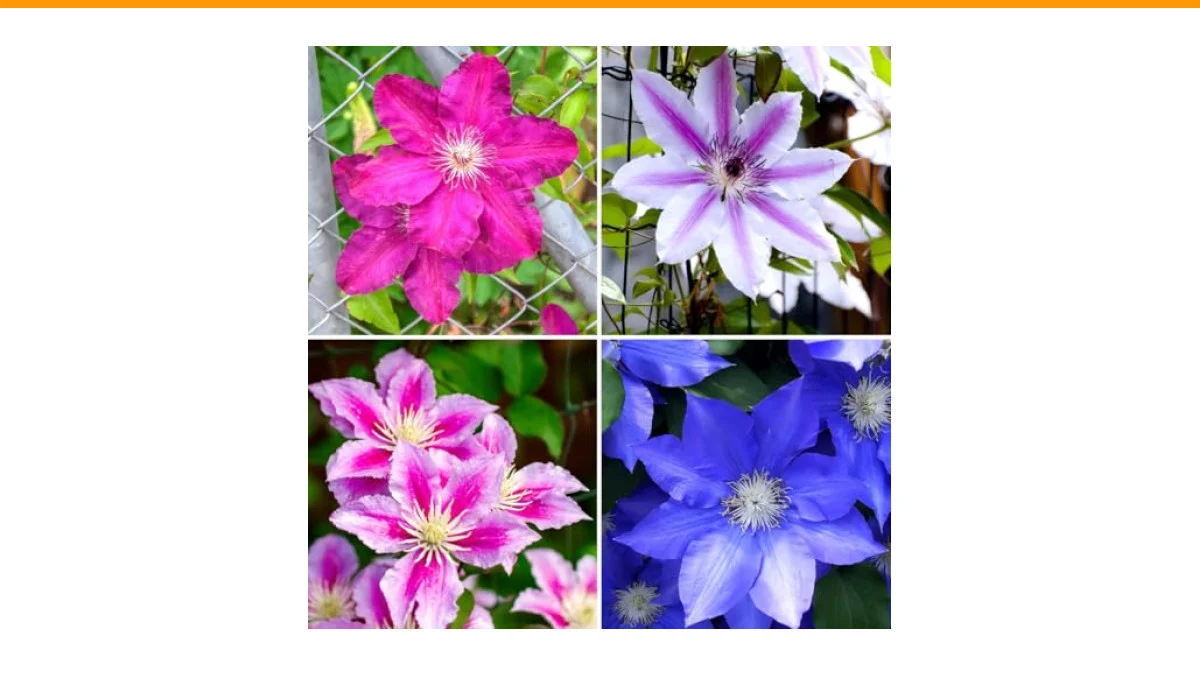
The one you buy when you want a vine that comes back every year without replanting. This is a 200-seed mix of perennial clematis, the classic climbing vine that most gardeners picture when they think of trellis flowers. It suits anyone with a permanent arbor, fence, or pergola who plans to stay in the same home for years.
Clematis earns its reputation for showy star-shaped blooms in a wide range of colors and forms. The vines climb 6 to 12 feet using leaf tendrils, so they grip thin supports without much tying. Once established, they tolerate dry spells and shrug off deer. Hummingbirds and pollinators work the flowers all season. Bloom timing runs spring through fall depending on which varieties germinate.
Here is the honest part: clematis seeds need cold stratification. Mix them with moist sand, refrigerate for 8 to 12 weeks, then sow a quarter inch deep. Germination takes 2 to 6 weeks at 65-75F. Seed-grown plants typically bloom in 1 to 3 years. If you want flowers this summer, this is not that product. Patience is the entry fee.
- 200+ mixed seeds in one packet
- Hardy in zones 3-9, so it survives cold winters
- Needs 8-12 weeks of cold stratification before sowing
- First blooms arrive 1-3 years from seed
- Deer resistant and drought tolerant once rooted
Best for: Patient gardeners with a permanent trellis who want a perennial vine that returns stronger each year.
50+ Dark Red Morning Glor…
SPROUTARAQ
50+ Dark Red Morning Glory Seeds Climbing Vine Flowers Garden Planting
- Grow vibrant and captivating morning glory plants with our premium morning glory seeds.
- These Non GMO seeds are perfect for enhancing your butterfly garden or honey bee garden with beautiful blooms in shades of purple,…
- Whether you're planting for a cottage garden look or adding charm to your trellis, these flower seeds are perfect for any gardenin…
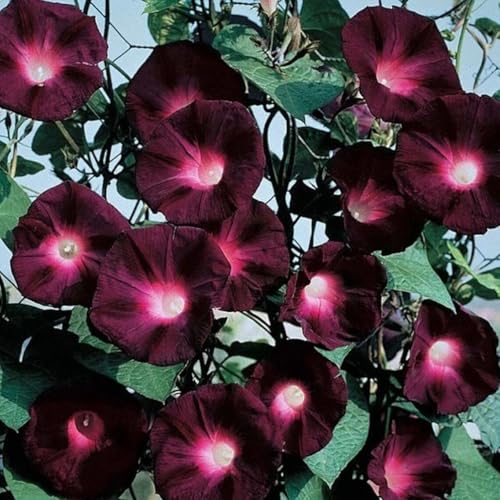
Morning glory is the fast fix. Sow it in spring and you have a flowering screen by midsummer. This 50-seed packet from SPROUTARAQ suits renters, container growers, and anyone who wants color now rather than next year. The vines twine upward on their own and need almost no training.
These non-GMO seeds produce blooms in shades of purple, pink, blue, and white, despite the dark red name on the listing. They pull butterflies and honey bees into the garden, which makes them a solid pick for a pollinator corner or cottage-style border. The plants grow quickly and cover a trellis or fence panel within a single season.
Two things to know. Morning glories are annuals in most climates, so you replant each spring. And they self-seed aggressively in warm zones, sometimes to the point of nuisance. The vines also die back hard at first frost, leaving bare structure until you pull them. That is the trade for fast, cheap coverage.
- 50+ seeds, enough for several trellis panels
- Twining vine that climbs without tying
- Blooms in mixed shades of purple, pink, blue, and white
- Annual in most zones; self-seeds readily
- Attracts butterflies and bees
Best for: Gardeners who want a flowering vine this season and don’t mind replanting each year.
Mixed Climbing Rose Vine…

BuggyBeds
Mixed Climbing Rose Vine Seeds 230pcs– Perennial Rosa Flowering Bush Seed | Long-Blooming Ornamental Climbing Plants for Fence, Trellis, Arches & Outdoor Garden Décor
- PACKAGE CONTENTS: 230 premium mixed color climbing rose seeds for creating a stunning vertical garden display on fences, trellises…
- GROWTH HABIT: Perennial climbing vine that can reach heights of 8-12 feet when fully mature, perfect for vertical gardening
- BLOOMING SEASON: Long-blooming roses produce waves of colorful flowers throughout the growing season, adding vibrant beauty to you…
Climbing roses carry a romance no other vine matches. This 230-seed mix from BuggyBeds targets gardeners building an arch, fence line, or privacy screen who want long-season color and a traditional look. It suits homeowners with space for an 8 to 12 foot vine and the willingness to prune.
The standout feature is bloom duration. These roses push waves of flowers through the growing season rather than a single flush, which keeps the trellis looking full for months. The vines work well on arches, pergolas, and fence panels, and they double as a soft privacy screen. Start seeds indoors 6 to 8 weeks before last frost, or direct sow once soil hits 65F.
Rose seeds germinate slowly and unevenly, often taking weeks longer than the packet suggests. The plants also need full sun and good airflow to avoid disease. And climbing roses from seed won’t match the named cultivars you buy as bare-root plants, so bloom color and form vary. Treat this as a garden experiment, not a guaranteed replica.
- 230 mixed-color seeds, generous for large projects
- Perennial vines reaching 8-12 feet at maturity
- Repeat bloomer across the growing season
- Start indoors 6-8 weeks before last frost
- Needs full sun and regular pruning
Best for: Gardeners with patience and sun who want a romantic, long-blooming perennial climber.
Climbing Jasmine Seeds fo…
BuggyBeds
Climbing Jasmine Seeds for Planting 100pcs Fragrant Flowering Vine Fast-Growing for Fences, Trellises & Garden Landscaping
- Abundant Seed Count: Includes 100 premium climbing jasmine seeds, providing ample quantity for extensive garden coverage, multiple…
- Fragrant Flowering Vine: Produces stunning, aromatic blooms that fill your garden with a sweet, intoxicating fragrance, creating a…
- Fast-Growing Coverage: Features rapid growth characteristics that quickly establish lush, green coverage on vertical surfaces, tra…
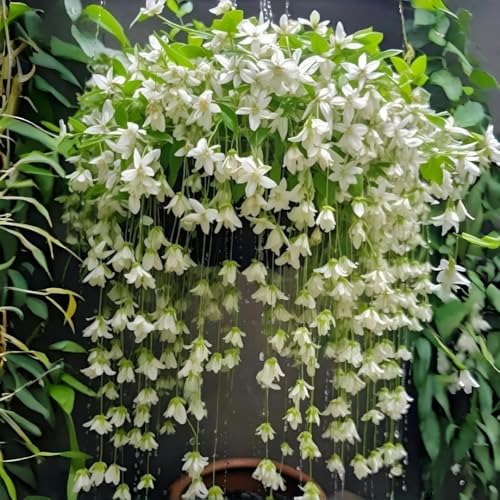
Fragrance is the whole point here. Jasmine fills an evening garden with a sweet scent that carries across a patio, and this 100-seed packet from BuggyBeds gives you enough to cover several structures or share with neighbors. It suits warm-climate gardeners and anyone growing in containers they can move indoors.
Growth is the other selling point. Jasmine establishes fast and throws up lush green coverage within a single season, turning bare walls and fences into living screens. The aromatic blooms draw butterflies and hummingbirds. The vines train easily onto trellises, arbors, and pergolas, so beginners can shape them without much fuss.
Cold is the limitation. Most jasmine is tender and won’t survive a hard freeze, so northern growers should treat it as an annual or bring pots inside for winter. It also prefers warm, humid conditions and can sulk in dry desert air. Check your zone before committing to a permanent planting.
- 100 seeds for broad coverage or sharing
- Fast growth fills a trellis in one season
- Strong sweet fragrance in the evening
- Attracts butterflies and hummingbirds
- Tender in cold zones; grow as annual or move indoors
Best for: Warm-climate gardeners who want a fast, fragrant screen on a trellis or arch.
Trellume Garden Arch Trel…

Trellume
Halloween Archway Outdoor Decor, 94.5"H*55"L Sturdy Metal Garden Arbor | Trellume Garden Arch Trellis for Climbing Plants Outdoor,Garden Arch for Wedding Decorations and Balloon Arch Stand
- 【Sturdy Metal Construction】: Trellis for climbing plants outdoor is crafted from premium steel with a rust-proof coating, maintain…
- 【Large Size and Stable Structure】: Garden arch features dimensions of 94.5" high and 55" wide, provides ample room for climbing pl…
- 【Multi-Functional Design】: Garden arch serves as both a sturdy trellis for climbing plants like roses and vines, and an elegant de…
Seeds need something to climb. This steel garden arch from Trellume stands 94.5 inches tall and 55 inches wide, giving vines real room to spread. It suits anyone planting a rose, clematis, or jasmine and wanting a structure that won’t buckle under the weight.
Build quality separates this from flimsy arch kits. The frame uses premium steel with a rust-proof coating, so it holds up through rain, snow, and summer sun without sagging. Assembly runs on pre-drilled holes and buckle-style connections, which means basic screwing and no special tools. The lightweight frame also moves easily if you want to reposition it or store it between seasons.
It’s a support structure, not a plant, so pair it with one of the vines above. The arch also works as decor for weddings and parties, and you can drape string lights or fabric over it. One caveat: it ships unassembled, so budget an afternoon for setup. And a 55-inch span needs a level spot or the legs will rock.
- 94.5 inches tall by 55 inches wide
- Rust-proof coated steel frame
- Pre-drilled holes and buckle connections for assembly
- Lightweight enough to relocate and store
- Doubles as event decor or photo backdrop
Best for: Gardeners who need a sturdy, weatherproof arch to anchor a heavy flowering vine.
How We Chose These Products
We started with the decision points that trip up real gardeners: vine weight versus trellis strength, annual versus perennial cost, and hardiness zone survival. A product only made the list if it answered at least one of those clearly. Seed packets with vague variety info or missing zone data got cut.
We also weighed honesty over hype. Clematis and roses take years from seed, and we say so. Morning glory self-seeds, and we flag it. Jasmine dies in cold zones, and we note it. The arch trellis earned its spot because every vine on this list needs a structure that won’t fail under load. For more arch-specific options, see our arch trellis plants roundup.
Buying Guide: What Really Matters
Match the vine’s climbing method to your trellis. Twining vines like morning glory wrap stems around supports and need thin bars or wire. Tendril climbers like clematis grip with leaf stalks and work on lattice. Roses need tying and a sturdy frame. A heavy rose on a thin wire trellis will pull it down within a season.
Decide annual versus perennial before you buy. Annuals cost less, bloom the first year, and die at frost. Perennials cost more upfront and may take 1 to 3 years to bloom, but they return every season with no replanting. If you rent or move often, annuals make more sense. If you own your home and plan to stay, perennials pay off.
Check your hardiness zone first. Clematis handles zones 3-9, which covers most of the country. Jasmine and most morning glories are tender and won’t survive hard freezes. Roses vary by cultivar. Planting a tropical vine in a cold zone wastes money and time. For small spaces, look at compact flowering vines that stay manageable.
Our Top Recommendation
CarpetC Mixed Clematis wins for most gardeners. It’s perennial, hardy across zones 3-9, deer resistant, and covers 6 to 12 feet of trellis. The cold stratification and multi-year wait are real hurdles, but the payoff is a vine that returns every spring without replanting.
If you want flowers this year, pick the Dark Red Morning Glory instead. It’s cheap, fast, and covers a trellis in one season. For fragrance, the Climbing Jasmine is the standout in warm zones. And whichever vine you choose, the Trellume Arch gives it a structure that holds up. For more climbing options, browse our climbing plant picks.
Frequently Asked Questions
How long before seed-grown vines actually bloom?
Annuals like morning glory bloom in 8 to 12 weeks from sowing. Clematis and roses from seed typically take 1 to 3 years. Jasmine can flower in its first year in warm conditions. Set expectations before you plant.
Will a flowering vine damage my fence or wall?
Twining vines can grip and mark wood, and self-clinging types may stain siding. Use a freestanding trellis or arch to keep vines off the structure itself. That also makes pruning and removal easier.
Which vines survive cold winters?
Clematis is the safest bet, hardy to zone 3. Climbing roses vary but many handle zone 5 and up. Morning glory and jasmine are tender and die in hard freezes, so treat them as annuals in cold regions.
Do I need to prune flowering vines every year?
Perennials benefit from annual pruning to control size and push new blooms. Clematis has specific pruning groups, so check your variety. Annuals need no pruning, just deadheading to extend bloom. Heavy vines like roses need shaping each dormant season.