Watering Rooftop Orchard Trees: A Practical Guide for Container Growers
Contents
The Rooftop Watering Problem Nobody Warns You About
You lugged the pots up three flights of stairs, wrestled with dwarf rootstocks, and felt proud when the first blossoms appeared. Then summer hit, and your trees started dropping leaves like they were paid to do it. The culprit? Water — or more precisely, the lack of a consistent watering plan.
Rooftop orchards are a different beast than ground planting. Wind dries soil faster, sun bakes containers from all sides, and you can’t rely on groundwater. This article walks through how to water rooftop orchard trees so they actually thrive, not just survive.
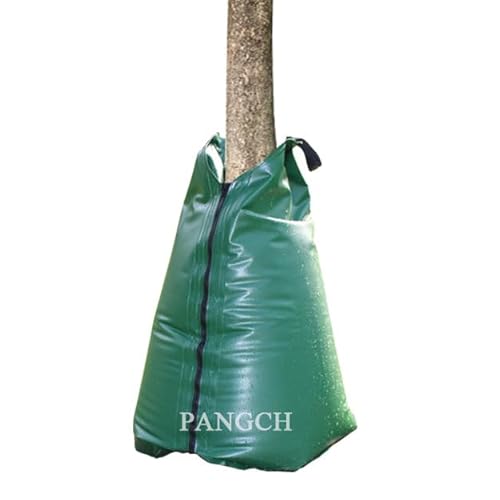
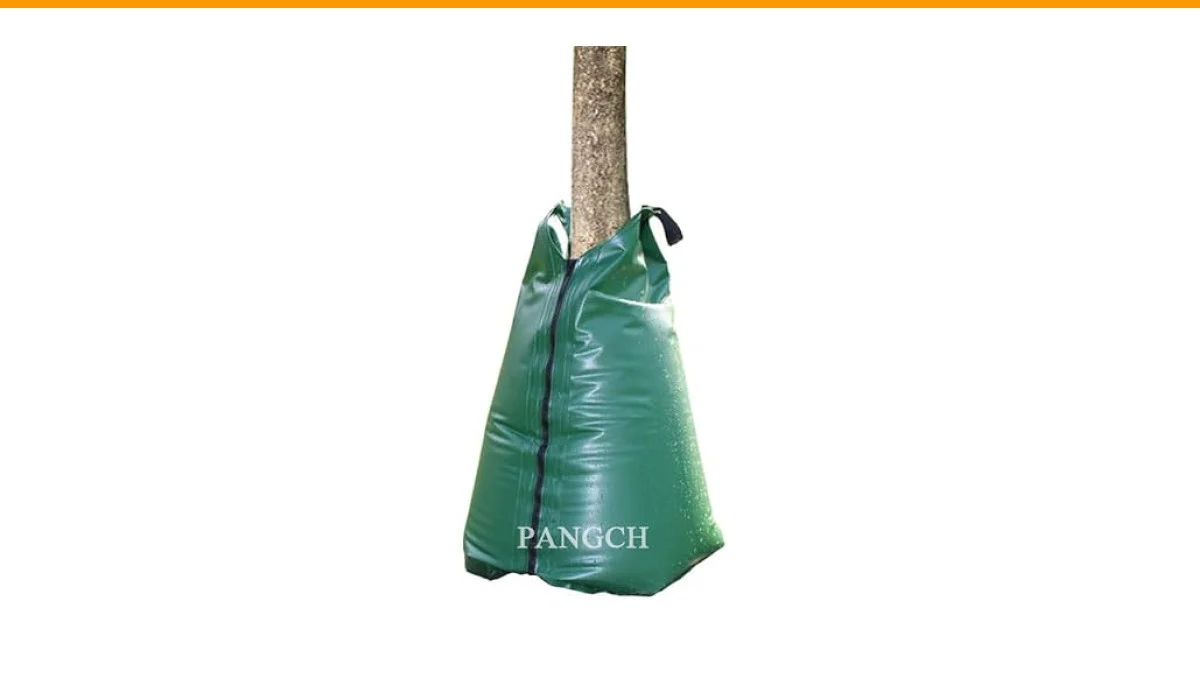
PANGCH
20 Gallon Slow Release Tree Watering Bag - Drip Irrigation Bag for Newly Planted or Established Trees (1 Pack)
- DEEP WATER SATURATION IS KEY - PANGCH tree watering bags deliver water deep below the soil surface, encouraging strong root growth…
- CAPACITY & WATER RELEASE TIMES - PANGCH slow release tree watering bag can apply up to 20 gallons of water in single application/f…
- TREE WATERING SCHEDULE - There is no standard watering amount that is suitable for all new trees. One commonly used formula sugges…
You’ll learn how much water your trees need, when to give it, and which tools save you time and hassle. I’ll also cover a few mistakes I see growers make repeatedly — including one that killed my own fig tree two summers ago.
Why a Simple Watering Bag Makes Life Easier
Dragging a hose across a hot rooftop every evening gets old fast. That’s where a slow-release watering bag earns its keep. The PANGCH 20 Gallon Tree Watering Bag wraps around the trunk and releases water gradually over several hours, soaking deep into the root zone instead of running off the surface. It’s not magic — just a simple way to deliver a measured amount of water without standing there holding a hose.
The bag holds up to 20 gallons per fill and empties over 5 to 9 hours in typical conditions, though heavy clay or extreme heat can stretch that to 24 hours. For rooftop growers, the main benefit is consistency: you fill it, walk away, and the tree gets a slow drink that mimics a gentle rainfall.
How Much Water Do Rooftop Trees Actually Need?
The old rule of thumb — 10 gallons per week for every inch of trunk caliper — gives you a starting point, not a law. Measure the trunk diameter about six inches above the soil line. A tree with a 2-inch caliper needs roughly 20 gallons per week in moderate weather. But rooftop conditions change the math.
Wind is the silent killer. It strips moisture from leaves and soil faster than you’d expect. A rooftop that gets constant breeze might need 30–50% more water than a sheltered ground spot. Also, dark containers absorb heat, raising soil temperature and accelerating evaporation. You’re not just watering a tree; you’re watering a miniature desert ecosystem sitting on a tar roof.
Here’s a practical approach: start with the caliper formula, then check the soil moisture twice a week. Stick your finger two inches into the soil. If it feels dry at that depth, water. If it’s damp, wait a day. This simple test beats any calendar schedule because it responds to actual conditions.
During peak summer, most rooftop trees need watering 2–3 times per week. In spring and fall, once a week often suffices. Winter is trickier — many fruit trees go dormant, but container soil can still dry out on sunny, windy days. Water sparingly but don’t let the root ball turn to dust.
Container Depth and Drainage: The Root of the Problem
Rooftop trees live in pots, which means their roots are confined and exposed. A shallow container dries out faster than a deep one, so pot size directly affects watering frequency. A 20-gallon pot holds more moisture and buffers temperature swings better than a 10-gallon nursery pot.
Drainage holes are non-negotiable. Waterlogged roots suffocate and rot, which looks exactly like underwatering — yellow leaves, wilting, dropped fruit. If your tree shows those signs, check the soil before you add more water. Lift the pot if you can; a heavy pot means it’s still wet.
One trick I use: elevate pots on bricks or pot feet so water drains freely and air circulates under the container. This also prevents the pot from staining your roof membrane, which your landlord will appreciate.
Wind, Sun, and the Microclimate Factor
Every rooftop has its own weather. A spot near a parapet wall might be sheltered, while the open corner turns into a wind tunnel. Observe your trees over a week. Which ones dry out fastest? Which leaves look scorched by midday sun?
You can adjust without moving heavy pots. Group pots together to create a windbreak and shade each other. Mulch the soil surface with wood chips or straw to slow evaporation — just keep mulch a few inches away from the trunk to prevent rot. And consider a shade cloth for the hottest afternoon hours if you see leaf burn.
These microclimate tweaks reduce water stress more than you’d think. I once had two identical apple trees on opposite corners of the same roof — the sheltered one needed half the water of the exposed one. Don’t assume uniformity; check each tree individually.
Comparing Watering Methods for Rooftop Orchards
| Method | Water Efficiency | Time Required | Best For | Drawbacks |
|---|---|---|---|---|
| Hand watering with hose | Low — runoff and overspray common | 10–20 min per tree | Small orchards, spot checks | Inconsistent, easy to forget |
| Drip irrigation system | High — targeted to root zone | Setup once, then automated | Larger orchards, frequent travelers | Clogs, needs pressure regulator, initial cost |
| Slow-release watering bag | High — deep soak with no runoff | 5–10 min to fill, then passive | Newly planted or established trees | Must refill manually, visible on trunk |
| Ollas (buried clay pots) | Very high — wicks water slowly | Refill weekly | Established trees in large pots | Burying in containers is tricky, can crack |
For most rooftop growers, a combination works best: drip lines on a timer for daily maintenance, plus a watering bag for deep weekly soaks or when you’re away. The bag also helps new trees establish — it delivers water slowly enough that the soil absorbs it fully rather than letting it run down the sides of the root ball.
Seasonal Watering Adjustments
Spring brings new growth and often rain, so you can ease off watering. But container soil drains fast, and a week of warm wind can dry it out even in April. Check weekly and water when the top two inches feel dry.
Summer demands the most attention. Water early morning or late evening to reduce evaporation. If you water at midday, much of it vanishes before roots can drink. During heat waves, consider a second watering for trees in small pots or those with heavy fruit loads.
Fall is transition time. As days shorten and temperatures drop, trees slow down. Reduce watering gradually, but don’t stop abruptly — roots still need moisture until the ground freezes (which may not happen on a rooftop, but the principle holds).
Winter is the tricky season. Dormant trees need far less water, but dry winter winds can desiccate evergreen roots or even hardy fruit trees in containers. Water once every 2–3 weeks on mild days if there’s no rain or snow. The soil should be slightly moist, never soggy.
Signs You’re Overwatering or Underwatering
Yellowing leaves that feel soft and limp often mean too much water. If the soil smells sour or you see mold on the surface, you’re drowning the roots. Cut back and improve drainage.
Brown, crispy leaf edges and leaves that curl upward usually mean too little water. The soil pulls away from the pot sides, and the pot feels light when lifted. If you catch it early, a thorough soak revives the tree within a day.
One more clue: fruit drop. Citrus and figs drop immature fruit when stressed — either too wet or too dry. Check soil moisture before adjusting your schedule.
Don’t rely on visual symptoms alone. A moisture meter costs less than a coffee and removes guesswork. Stick it in several spots around the root ball, not just near the trunk.
Water Quality and Temperature Matter More Than You Think
Rooftop trees often get tap water, which is fine for most species. But if your water is hard (high mineral content), you’ll see white crust on the soil surface over time. This can raise pH and lock up nutrients. Leach the pot every few months by watering heavily until water runs out the bottom, carrying excess salts with it.
Cold water shocks roots, especially in summer. Let the hose run a minute before filling your watering bag or can, or fill a rain barrel and let it warm to ambient temperature. Rainwater is ideal — it’s free, soft, and contains no chlorine. If you can set up a simple rain barrel on the roof, do it.
Chlorine and chloramine in municipal water don’t harm most trees at normal levels, but letting water sit overnight dissipates chlorine. Chloramine takes longer and requires filtration, but it’s rarely a problem for outdoor container trees.
Building a Watering Schedule That Works for You
Consistency beats perfection. Pick a regular time — early morning works best — and make it part of your routine. If you travel often, invest in a simple timer for drip lines or ask a neighbor to fill watering bags twice a week.
Keep a log for the first season. Note rainfall, temperature, wind, and how often you watered each tree. After a few months, you’ll see patterns and can adjust before problems appear. This sounds nerdy, but it saves trees.
For new plantings, the first year is critical. A tree that gets consistent moisture establishes deep roots and needs less intervention later. A tree that swings between drought and flood develops shallow, weak roots that struggle for years. Slow-release bags are excellent here because they encourage deep watering without constant attention.
If you’re mixing tree types, group them by water needs. Figs and citrus like more water than olives or pomegranates, which prefer drier conditions. Grouping simplifies your routine and prevents accidental overwatering of drought-tolerant species.
Finally, check your rooftop orchard maintenance practices beyond watering — fertilizing and pest control go hand in hand with healthy roots. A well-watered tree resists pests better than a stressed one.
Frequently Asked Questions
How often should I water fruit trees in containers on a rooftop?
Most need water 2–3 times per week during active growth in summer, but check soil moisture first. Stick your finger two inches deep — if dry, water. In cooler months, once a week or less is often enough. Wind and sun exposure can change this dramatically, so adjust based on your specific rooftop.
Can I use a watering bag for established trees, or only new ones?
Both. The bag delivers water slowly to the root zone, which benefits new trees by encouraging roots to grow outward and downward. For established trees, it provides a deep soak that flushes salts and reaches deeper roots, especially useful during heat waves or when you’re away for a day.
What’s the best time of day to water rooftop trees?
Early morning, before the sun gets intense, is ideal. Water evaporates less, and leaves have time to dry, reducing fungal disease risk. Evening watering works too, but wet foliage overnight can invite mildew. Avoid midday watering — most water evaporates before reaching roots.
How do I know if my tree is getting too much water?
Yellowing leaves, soft and limp stems, and a sour smell from the soil are red flags. The pot will feel heavy, and you may see water pooling on the surface. If you suspect overwatering, stop watering for a week and check drainage holes for blockages.
Should I water differently during winter dormancy?
Yes. Dormant trees need far less water, but container soil can still dry out on windy winter days. Water every 2–3 weeks if there’s no rain or snow, keeping the soil barely moist. Overwatering in winter leads to root rot, so err on the dry side.
What to Take From This Guide
- Measure trunk caliper and start with 10 gallons per week per inch, then adjust for wind, sun, and container size.
- Check soil moisture with your finger or a meter before each watering — no schedule replaces this step.
- Use slow-release watering bags for deep soaks that reach roots without runoff, especially for new trees.
- Group pots by water needs and mulch the soil surface to cut evaporation.
- Water early morning, and let water warm to ambient temperature to avoid root shock.
- Keep a simple log for the first season to spot patterns and fine-tune your routine.
- Leach pots every few months to flush mineral salts from tap water.
Rooftop orchards reward attention. A few minutes of observation each day — checking leaves, feeling soil, noting wind — will teach you more than any guide. Your trees will tell you what they need; you just have to listen. And when you get it right, biting into a sun-warmed peach you grew ten stories up makes every drop worth it.
For more on choosing the right trees for your rooftop, see our rooftop orchard tree varieties guide. If you’re planning a full orchard layout, our multi-layered orchard design article shows how to mix trees with shrubs and vines for better water use and biodiversity.