
Understanding Two Stroke Lawn Mower Engines
Contents
When the grass starts to grow, you might find yourself reaching for your lawn mower. If you’re using a two stroke model, you’re part of a long-standing tradition in small engine design. Two stroke lawn mower engines are known for their simplicity and power, making them a popular choice for many homeowners and professionals alike. This article will help you understand how these engines work, their benefits and drawbacks, maintenance tips, and answers to common questions.
This overview will clarify the unique characteristics of two stroke engines, compare them to four stroke alternatives, and provide practical maintenance advice. You’ll also learn how a high-quality oil, like STP Premium Synthetic Blend 4 Cycle Small Engine Oil, can help keep your engine running smoothly.

STP
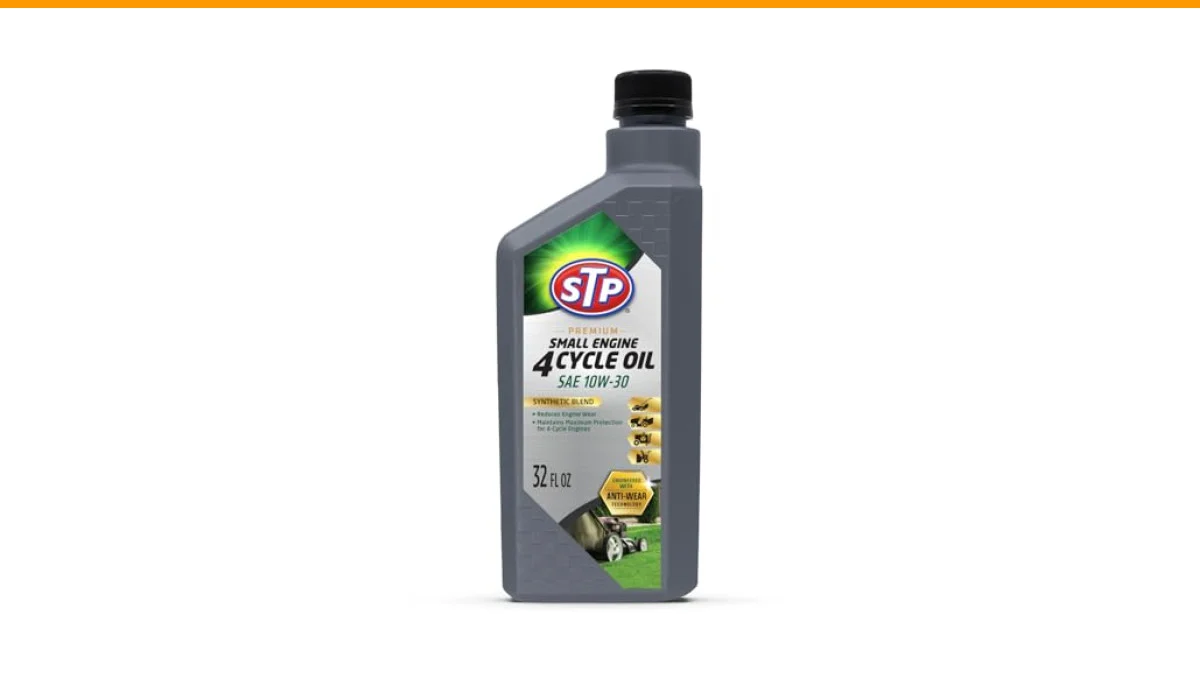
STP Premium Synthetic Blend 4 Cycle Small Engine Oil, SAE 10w30 Motor Oil for Lawnmowers, Generators, Tractors, Snow Blowers, and More, 32 fl oz
- SAE 10W-30 MOTOR OIL FOR SMALL ENGINES: One 32 fl oz bottle of STP Premium Synthetic Blend 4 Cycle Small Engine Oil SAE 10W-30, fo…
- FIGHTS THERMAL BREAKDOWN: Antioxidants fight thermal breakdown to enhance oil durability, helping the SAE 10W-30 oil handle high t…
- PREVENTS BUILDUP: Detergents help keep small engine components clean and control carbon deposits, preventing buildup that can affe…
Two stroke lawn mower engines are designed to complete a power cycle in just two strokes of the piston, which means they can produce power every revolution. This design allows them to be lighter and more compact than their four stroke counterparts. However, they also have some specific requirements and characteristics that set them apart.
How Two Stroke Engines Work
In a two stroke engine, the combustion process occurs in two strokes of the piston, which means one complete cycle is achieved in just one crankshaft revolution. Here’s a simplified breakdown:
- Fuel and Air Intake: As the piston moves down, a mixture of fuel and air enters the crankcase.
- Compression: The piston then moves up, compressing the air-fuel mixture in the combustion chamber.
- Ignition: A spark ignites the mixture, forcing the piston down and creating power.
- Exhaust: As the piston moves down, it uncovers the exhaust port, allowing spent gases to escape, while simultaneously drawing in a new fuel-air mixture.
This cycle repeats, allowing for continuous power output. The simplicity of this design leads to fewer moving parts, which can result in lower production costs and easier repairs.
However, the efficiency in fuel use isn’t as high as in four stroke engines, meaning two stroke engines tend to consume more fuel and emit more pollutants. This makes them less ideal for large-scale operations but an excellent choice for smaller tasks like mowing lawns.
Benefits of Two Stroke Lawn Mower Engines
Two stroke engines offer several distinct advantages:
- Power-to-Weight Ratio: These engines are typically lighter, making them easier to handle. This is crucial for tasks that require maneuverability.
- Simplicity: With fewer parts, maintenance can be simpler and less costly. This is particularly beneficial for casual users.
- High RPM Capability: Two stroke engines can reach higher RPMs, generating more power for their size. This is advantageous for tasks requiring quick power bursts.
However, it’s important to weigh these benefits against some drawbacks, which include higher fuel consumption and more frequent maintenance needs.
Maintenance Tips for Two Stroke Engines
Keeping a two stroke lawn mower engine in good condition requires regular maintenance. Here are some essential tips:
- Use Quality Oil: Regularly check the oil and use a high-quality option like STP Premium Synthetic Blend 4 Cycle Small Engine Oil. This oil helps fight thermal breakdown and prevents carbon buildup.
- Check the Spark Plug: Inspect and clean the spark plug regularly. A clean plug ensures optimal ignition.
- Clean the Air Filter: A clogged air filter can reduce engine performance. Clean it regularly or replace it as needed.
- Inspect Fuel Lines: Check for leaks or cracks. Damaged fuel lines can lead to performance issues.
- Mix Fuel Properly: Always use the correct oil-to-fuel ratio for your engine. This is typically 50:1 or 40:1 for most two stroke engines.
Following these maintenance tips will help prolong the life of your engine and ensure efficient performance.
Comparing Two Stroke and Four Stroke Engines
| Feature | Two Stroke Engine | Four Stroke Engine |
|---|---|---|
| Power Cycle | Completes in 2 strokes | Completes in 4 strokes |
| Fuel Efficiency | Lower | Higher |
| Emissions | Higher | Lower |
| Weight | Lighter | Heavier |
| Maintenance | More frequent | Less frequent |
This table highlights the main differences between two stroke and four stroke lawn mower engines. While two stroke engines are lighter and simpler, they come with trade-offs in fuel efficiency and emissions.
What is a two stroke lawn mower engine?
A two stroke lawn mower engine is a type of internal combustion engine that completes a power cycle in two strokes of the piston. This allows for high power output relative to engine size.
How do you maintain a two stroke lawn mower engine?
Maintenance includes regularly changing oil, checking the spark plug, cleaning or replacing the air filter, inspecting fuel lines, and ensuring the correct fuel mixture.
What oil should I use for my two stroke lawn mower?
Use a high-quality oil specifically formulated for small engines, such as STP Premium Synthetic Blend 4 Cycle Small Engine Oil to ensure optimal performance and longevity.
Are two stroke engines more powerful than four stroke engines?
Two stroke engines can produce power on every crankshaft revolution, giving them a higher power-to-weight ratio than four stroke engines of similar size.
What are the disadvantages of two stroke engines?
Disadvantages include higher fuel consumption, increased emissions, and more frequent maintenance needs compared to four stroke engines.
Final Thoughts on Two Stroke Lawn Mower Engines
- Two stroke engines provide a lightweight option for lawn mowing tasks.
- They are simpler to maintain, but require more frequent attention.
- Choosing the right oil, like STP Premium Synthetic Blend 4 Cycle Small Engine Oil, can enhance engine performance.
- Understanding the differences between two stroke and four stroke engines helps in making informed purchase decisions.
- Regular maintenance is key for longevity and efficiency.
- Consider the specific needs of your lawn and tasks when selecting your engine type.
- For more information on engine oil options, check out this guide.