

How to Prepare a Lawn for Overseeding
Contents
Many homeowners face the challenge of patchy, thin lawns. After a long winter or a particularly dry summer, you might look out your window and feel disappointed by your yard’s condition. Overseeding offers a straightforward solution to rejuvenate your lawn, but effective preparation is crucial. Properly preparing your lawn for overseeding can mean the difference between success and a lackluster outcome.
This guide will walk you through the essential steps to prepare your lawn for overseeding. You’ll learn how to assess your lawn’s condition, the right timing for overseeding, and tips on soil preparation. By the end of this article, you’ll have a clear plan to achieve a healthy, lush lawn.

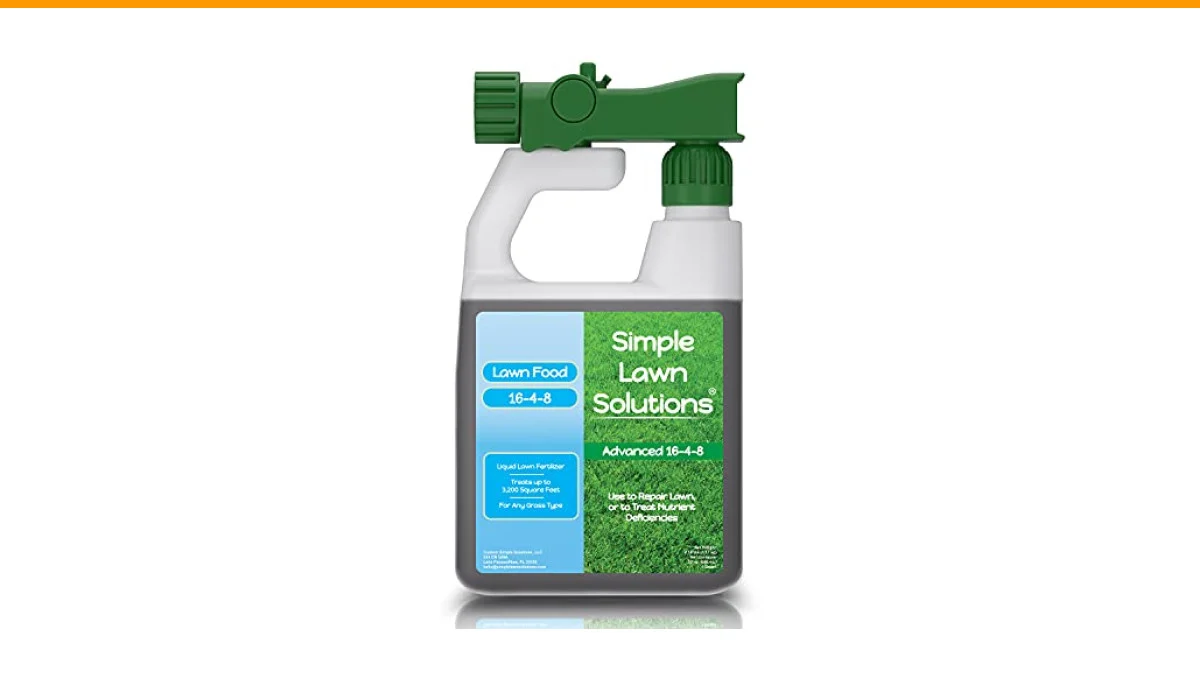
Simple Lawn Solutions
Advanced 16-4-8 Balanced NPK - Lawn Food Quality Liquid Fertilizer - Spring & Summer Concentrated Spray - Any Grass Type - Simple Lawn Solutions (32 Ounce)
- Complete NPK Lawn Food: 16-4-8 is the perfect blend of key macronutrients. This lawn liquid food turf fertilizer also contains Sea…
- Contains High Quality Feed Grade Ingredients: Nourish your lawn with pure liquid Nutrients in a ready to use sprayer
- Easy To Use: Designed to be easily applied. This complete Nitrogen, Phosphate and Potash formula gives your grass greening & growt…
To support your efforts, consider using a quality fertilizer like Simple Lawn Solutions Advanced 16-4-8 Balanced NPK. This liquid fertilizer combines essential nutrients that can promote greening and growth, making it an excellent choice for your overseeding project.
Assessing Your Lawn’s Condition
Before diving into overseeding, take stock of your lawn’s health. Start with these steps:
- Inspect for Weeds: Identify any prevalent weeds. If they dominate your lawn, consider applying an appropriate herbicide before overseeding.
- Check Soil Health: Perform a soil test to understand nutrient levels and pH balance. Most grass types thrive in a pH of 6.0 to 7.0. Amend your soil based on the test results.
- Identify Grass Type: Knowing your grass type (cool-season or warm-season) helps determine the best overseeding time.
Timing Your Overseeding
Timing is critical when overseeding. Typically, the best periods are:
- Cool-Season Grasses: Early fall (August to September) is ideal. Soil temperatures are still warm, promoting seed germination.
- Warm-Season Grasses: Late spring to early summer (April to June) works best as temperatures rise.
Overseeding during these windows takes advantage of natural rainfall and optimal temperatures, enhancing seed success rates.
Preparing the Soil
Soil preparation sets the stage for successful overseeding. Follow these steps:
- Mow Your Lawn: Cut your grass to about 1.5 inches. This height allows sunlight to reach the seeds while reducing competition.
- Aerate the Soil: Aeration creates small holes in the soil, improving seed-to-soil contact. Use a core aerator to remove plugs of soil.
- Rake the Lawn: Raking helps break up thatch (the layer of dead grass) and exposes the soil, making it easier for seeds to penetrate.
- Apply Fertilizer: A balanced fertilizer like the one from Simple Lawn Solutions can provide essential nutrients, promoting seedling growth. Apply according to package instructions.
- Seed Application: Spread your chosen seed evenly across your lawn. Use a broadcast spreader for uniform coverage.
- Water Wisely: Water the area lightly after seeding, keeping the soil consistently moist until the seedlings are established.
Comparing Overseeding Methods
| Method | Description | Pros | Cons |
|---|---|---|---|
| Broadcast Seeding | Spreading seeds by hand or using a spreader. | Easy, inexpensive, and covers large areas. | May lead to uneven coverage if not done carefully. |
| Slice Seeding | Using a machine to slice into the soil and deposit seeds. | Better seed-to-soil contact, promoting germination. | Higher initial cost and requires rental equipment. |
| No-Till Overseeding | Applying seeds directly onto the existing lawn without disturbing the soil. | Less invasive, preserves soil structure. | May not work well for compacted soils. |
What is overseeding?
Overseeding is the process of planting grass seed over an existing lawn without turning the soil. This practice can help fill in bare spots, improve density, and introduce new grass varieties.
When should I overseed my lawn?
Timing depends on your grass type. For cool-season grasses, aim for early fall. For warm-season grasses, late spring is optimal.
How much seed do I need for overseeding?
Generally, use about 5-10 pounds of seed per 1,000 square feet, depending on the grass type and desired density.
How often should I water after overseeding?
Water lightly every day or every other day to keep the soil consistently moist until the grass is established. Avoid overwatering, which can lead to disease.
Can I overseed if I have a lot of weeds?
It’s best to control weeds before overseeding. If weeds are prevalent, consider using an herbicide, allowing time for the lawn to recover before seeding.
Final Thoughts on Preparing for Overseeding
- Assess your lawn’s condition and identify the best time to overseed.
- Mow and aerate the soil for optimal seed-to-soil contact.
- Use a quality fertilizer to support new seedlings.
- Consider your method of overseeding based on your lawn’s needs.
- Maintain consistent moisture levels until the new grass is established.
- Monitor for pests and diseases as your lawn grows.
- For additional tips, you might find resources like lawn fertilizer for overseeding helpful.