

When is the Best Time to Overseed a Lawn
Contents
Every lawn enthusiast faces the dilemma of maintaining a vibrant, healthy lawn. After all, a lush yard can be the pride of your home and neighborhood. But what happens when bare patches emerge, or your grass looks less than stellar? The solution often lies in overseeding, a process that can rejuvenate your lawn. But when is the best time to overseed a lawn? Understanding the timing and conditions will set you up for success.
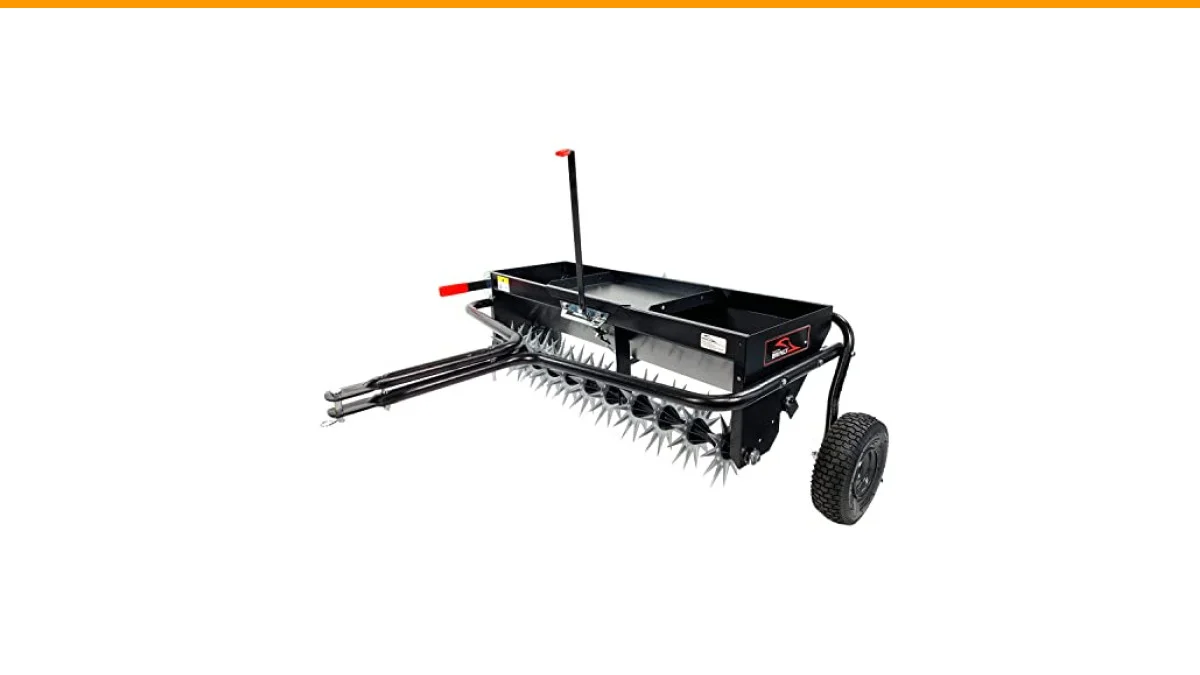
This article will guide you through the best seasons for overseeding, the critical factors to consider, and the methods that can ensure a thriving lawn. You’ll also find practical tips on equipment that can help, such as the Brinly Tow Behind Combination Aerator Spreader with Weight Tray, which simplifies the process of aerating and overseeding your lawn.
The Best Seasons for Overseeding
The ideal time to overseed varies depending on your geographical location, but generally, the best options are fall and spring. Let’s break down why these seasons are optimal:
Fall Overseeding
In many regions, fall is considered the prime season for overseeding. Here’s why:
- Cooler temperatures: As temperatures drop, the stress on existing grass decreases, allowing seedlings to establish roots without competition.
- Natural moisture: Autumn often brings more consistent rainfall, which supports germination and growth.
- Less competition: Weeds are less aggressive in the fall, making it easier for new seedlings to take hold.
For optimal results, aim to overseed in early to mid-fall, about 4 to 6 weeks before the first frost.
Spring Overseeding
Spring can also be a good time to overseed, particularly in northern climates. Consider these factors:
- Warmer soil temperatures: Spring brings rising temperatures that promote seed germination.
- Longer daylight: Increased sunlight supports rapid growth and establishment.
- Preemptive action: Spring overseeding can help thicken lawns before the summer stress.
However, watch out for potential weed competition. Aim to overseed after the last frost, when soil temperatures reach around 50°F to 65°F.
Common Misconceptions About Overseeding
Many homeowners hold misconceptions about overseeding. Let’s clear a couple of these up.
Myth: Overseeding is Only for Bare Spots
Many believe overseeding is only necessary for areas with bare patches. In reality, overseeding can benefit the entire lawn. It helps improve density and resilience, filling in thin areas and ensuring a uniform appearance.
Myth: You Can Overseed Anytime
Some think they can overseed whenever they like. But timing is crucial. Overseeding in extreme heat or during drought conditions can hinder seed germination. Stick to the recommended seasons for the best results.
Methods and Equipment for Effective Overseeding
Choosing the right method and equipment can significantly affect your overseeding success. Here are some approaches:
- Mechanical Aeration: Aerating the soil before overseeding creates holes for seeds to settle in. The Brinly Tow Behind Combination Aerator Spreader is an excellent tool for this task, allowing you to aerate and seed simultaneously.
- Seed Selection: Match your seed choice to your climate and lawn type. For instance, cool-season grasses thrive in northern areas, while warm-season grasses are better suited for southern climates.
- Proper Watering: Post-seeding, maintain consistent moisture to support germination. Water lightly but frequently, especially in the early stages.
| Method | Best Time | Advantages | Considerations |
|---|---|---|---|
| Mechanical Aeration | Fall & Spring | Improves soil structure, enhances seed-to-soil contact | Requires rental or purchase of equipment |
| Hand Seeding | Fall & Spring | Cost-effective for small areas | Labor-intensive, uneven coverage possible |
| Slit Seeding | Fall & Spring | Ensures better seed placement and soil contact | Potentially more expensive than broadcast seeding |
Frequently Asked Questions
How often should I overseed my lawn?
Typically, overseeding every 2 to 3 years is sufficient to maintain a healthy lawn. If you notice thinning or bare spots, consider overseeding sooner.
Can I overseed after applying herbicide?
It’s best to wait at least 4 to 6 weeks after applying herbicides before overseeding. This ensures the chemicals have dissipated, allowing new seeds to germinate effectively.
What type of seed should I use for overseeding?
Select a seed blend that matches your existing grass type and local climate. For northern areas, cool-season grasses like ryegrass work well, while southern regions may benefit from warm-season grasses like Bermuda.
Is overseeding the same as reseeding?
Overseeding generally refers to spreading seeds over an existing lawn to improve its density, while reseeding often implies planting seeds in specific bare areas.
What should I do after overseeding?
After overseeding, keep the soil consistently moist, avoid heavy foot traffic, and consider applying a light fertilizer to encourage growth.
Practical Takeaways
- Fall is typically the best time to overseed, especially in cooler climates.
- Spring can also work, provided the soil temperature is right.
- Don’t limit overseeding to bare spots; it benefits the entire lawn.
- Use proper equipment like the Brinly aerator spreader for effective results.
- Choose the right grass seed for your climate and lawn type.
- Maintain consistent moisture after overseeding to support germination.
- Consult local resources for specific timing based on your region.