

How to Thicken a Thin Lawn: Expert Strategies for Lush Grass
Contents
Many homeowners face the frustration of a thin lawn. You might find yourself staring at patches of bare ground or sparse grass, wondering how to achieve that lush, green carpet you envision. Thick grass not only enhances your home’s curb appeal but also provides a robust environment for outdoor activities. Understanding how to thicken a thin lawn involves several key strategies that can transform your yard into a thriving green space.
This article will guide you through expert methods for thickening your lawn, including the benefits of proper fertilization, aeration techniques, and the best time to overseed. With a little effort and knowledge, you’ll be well on your way to a healthier lawn.
Scotts
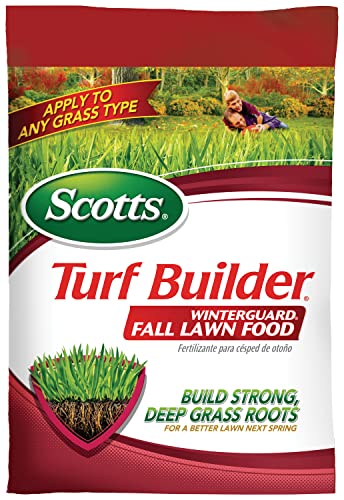
Scotts Turf Builder WinterGuard Fall Lawn Food, 32.3 lbs.
- FALL LAWN FERTILIZER: Scotts Turf Builder WinterGuard Fall Lawn Food is a fertilizer that builds strong, deep grass roots for a be…
- SUMMER LAWN RECOVERY: Our fertilizer provides the plant food nutrients lawns need to help recover from summer heat, drought, and r…
- APPLY IN FALL TO PREPARE YOUR LAWN FOR WINTER: Apply this grass fertilizer to a wet or dry lawn in the fall
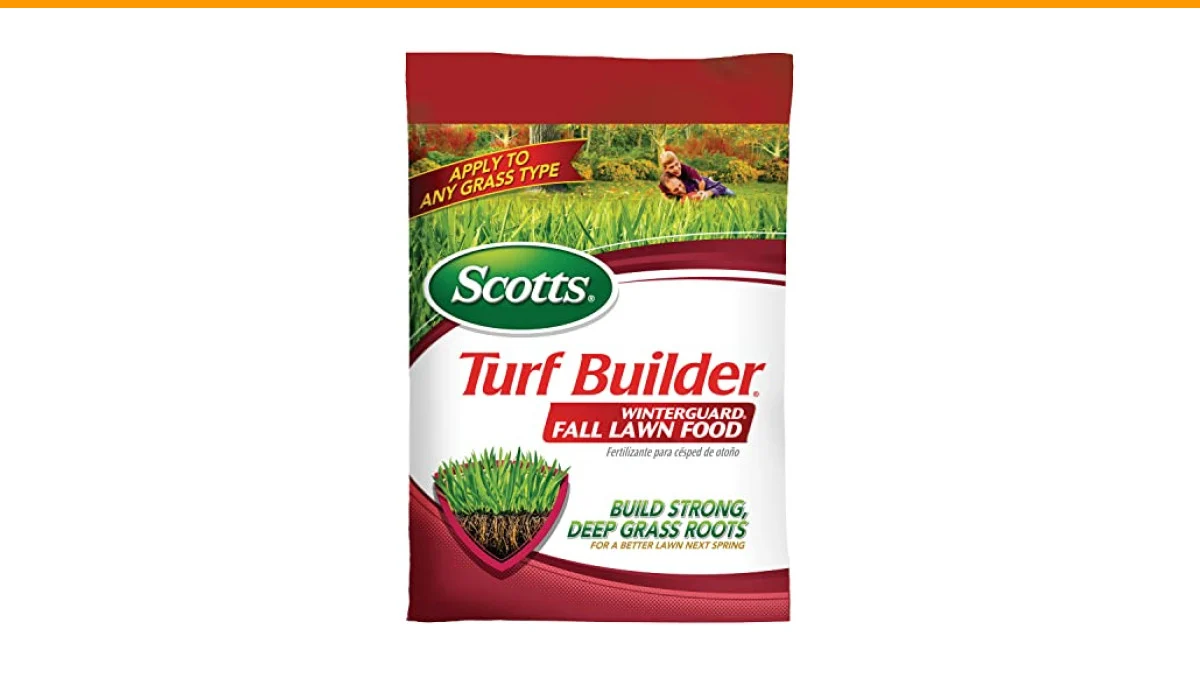
One of the useful products for achieving a thicker lawn is Scotts Turf Builder WinterGuard Fall Lawn Food. This fertilizer is designed to build strong grass roots, making it an excellent choice for preparing your lawn for winter and recovery from summer’s heat.
Understanding the Causes of a Thin Lawn
Before diving into solutions, it’s essential to identify why your lawn is thin. Common causes include:
- Soil Compaction: Heavy foot traffic or poor soil structure can compact the soil, limiting root growth.
- Inadequate Sunlight: Trees or structures can shade parts of your lawn, preventing grass from thriving.
- Overwatering or Underwatering: Both extremes can weaken grass, making it susceptible to disease.
- Pests and Diseases: Infestations or lawn diseases can damage grass and hinder growth.
Addressing these issues is the first step in thickening your lawn.
Fertilization: A Key Component
Fertilization is crucial for promoting healthy grass growth. Grass requires nutrients such as nitrogen, phosphorus, and potassium. Using a balanced fertilizer, like the Scotts Turf Builder WinterGuard, can help your lawn recover and strengthen roots. This particular product is beneficial when applied in the fall, allowing your lawn to store nutrients for winter.
Follow these steps for effective fertilization:
- Choose a fertilizer suitable for your grass type.
- Apply the fertilizer according to package instructions, ensuring even coverage.
- Water the lawn lightly afterward to help the nutrients penetrate the soil.
Regular fertilization, typically every 6-8 weeks during the growing season, can significantly improve your lawn’s density.
Aeration: Improving Soil Health
Aeration involves perforating the soil with holes to allow air, water, and nutrients to penetrate deeper into the root zone. This process reduces soil compaction and encourages grass growth. It’s recommended to aerate your lawn at least once a year, preferably in the spring or fall when the grass is actively growing.
To aerate your lawn:
- Use a mechanical aerator or a manual aerator, depending on the size of your lawn.
- Water your lawn a day before aerating to soften the soil.
- Make passes across the lawn, creating holes spaced about 2-4 inches apart.
After aeration, consider overseeding to fill in the gaps and enhance thickness.
Overseeding: Filling in the Gaps
Overseeding is the process of spreading grass seed over an existing lawn to improve its density. This method is particularly effective for thin or patchy areas. It’s best done during the growing season, either in early spring or early fall.
Here’s how to overseed effectively:
- Mow the lawn shorter than usual to expose the soil.
- Use a seed spreader to distribute the grass seed evenly.
- Lightly rake the area to ensure good seed-to-soil contact.
- Water the lawn gently but regularly to keep the soil moist until the seeds germinate.
Expect new grass to start sprouting within 7-14 days, depending on the seed type and environmental conditions.
| Method | Description | Frequency |
|---|---|---|
| Fertilization | Applying nutrients to promote growth | Every 6-8 weeks |
| Aeration | Perforating soil to relieve compaction | Once a year |
| Overseeding | Spreading grass seed over existing lawn | Once a year |
FAQs About Thickening a Thin Lawn
1. How long does it take to see results after overseeding?
Typically, you can expect to see new grass sprouting within 7 to 14 days after overseeding, depending on the grass type and weather conditions.
2. Can I fertilize and overseed at the same time?
Yes, it’s beneficial to fertilize before overseeding. This gives the new grass seeds the nutrients they need to establish quickly.
3. What is the best type of grass to thicken my lawn?
The best type of grass depends on your local climate and soil conditions. Cool-season grasses like Kentucky bluegrass thrive in northern climates, while warm-season grasses like Bermuda flourish in southern areas.
4. How often should I water my lawn after overseeding?
Initially, keep the soil consistently moist by watering lightly every day. Once the grass establishes, you can reduce the frequency.
5. Is it necessary to aerate before overseeding?
Aeration is not strictly necessary, but it enhances seed-to-soil contact and improves seed germination rates, making it highly recommended.
Effective Strategies for Lawn Thickness
- Evaluate the existing conditions of your lawn.
- Choose the right fertilizer and apply it in the fall.
- Aerate your lawn annually to improve soil health.
- Overseed during optimal growing seasons.
- Monitor watering and adjust based on weather.
- Address any pest or disease issues promptly.
Implementing these strategies will help you achieve a thicker, healthier lawn. Each step contributes to a more vibrant landscape, making your yard a more enjoyable place.