

Understanding Lawn Mower Blades: Types, Maintenance, and Replacement
Contents
Imagine a sunny Saturday morning. You step outside to tackle the ever-growing grass in your yard. You fire up your lawn mower, and as it starts to hum, you feel a sense of satisfaction. But wait—what’s that sound? Is it cutting smoothly, or is it time to sharpen or replace the lawn mower blade? This scenario is all too familiar for many homeowners and lawn enthusiasts. Understanding what a lawn mower blade is and how it works is crucial for maintaining a healthy lawn.
This article will provide you with a comprehensive insight into lawn mower blades, including their types, maintenance, and replacement options. By the end, you’ll know how to ensure your blade performs optimally for a clean, even cut every time you mow.

Maxpower
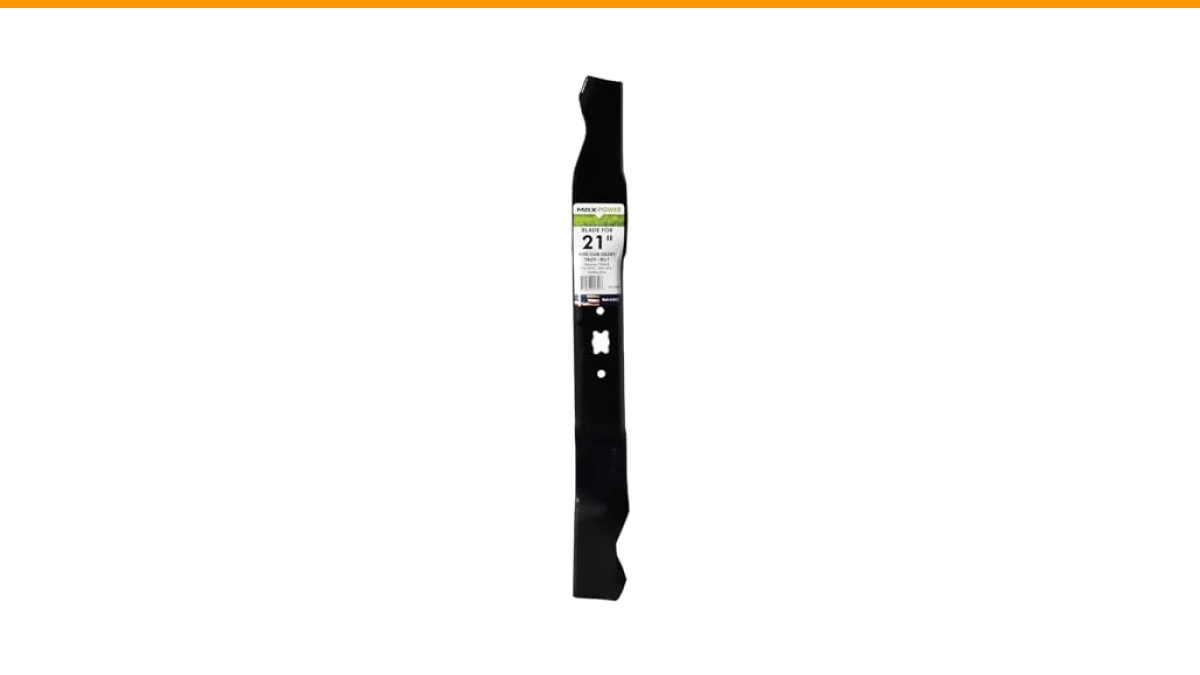
Maxpower 331528B USA MADE 21" Cut Mulching Blade
- Includes 1 mulching blade for many 21 in. cut MTD, Cub Cadet, Troy-Bilt, and Craftsman mowers. Must Match Current Blade OEM Number…
- Replaces OEM #'s: 742-0741, 742-0741A ,742-04276, 742-04276S, 942-0641, 942-0741, 942-0741A 942-04276, 942-04276S, CC-742-0741; Cr…
- Fits Cub Cadet Models: CC Series- CC 46M, CC 46MZ, CC 46ES, CC 439, CC 469, CC 949, CC 94M, CC 98M, CC 98H, CC 98K, CC 99M, CC 989…
If you’re considering a replacement, the Maxpower 331528B USA MADE 21″ Cut Mulching Blade is an excellent choice. Designed to fit various models from MTD, Cub Cadet, Troy-Bilt, and Craftsman, this mulching blade enhances your mowing efficiency, ensuring your lawn stays healthy and vibrant.
What is a Lawn Mower Blade?
A lawn mower blade is a metal cutting tool attached to the mower’s deck. Its primary function is to slice through grass, creating a neat and even lawn. Blades come in various shapes, sizes, and materials, depending on the mower type and intended use. Understanding your lawn mower blade is essential for effective lawn care.
Types of Lawn Mower Blades
Different types of lawn mower blades serve various purposes. Here are the most common types:
- Standard Blades: Also known as flat blades, these are the most common type. They provide a good cut for most grass types.
- Mulching Blades: These blades have curved edges that chop grass into finer pieces. They are ideal for returning nutrients to the lawn.
- High-Lift Blades: Designed for bagging clippings, high-lift blades create more suction, lifting grass upward into the bag.
- Low-Lift Blades: Better for sandy or loose soil, these blades reduce the suction effect, preventing clogging.
Choosing the right type of blade can significantly affect your mowing results. Consider your lawn’s grass type and your mowing goals when selecting a blade.
Maintenance of Lawn Mower Blades
Proper maintenance of your lawn mower blade is vital for optimal performance. Follow these key maintenance tips:
- Regular Sharpening: A sharp blade cuts grass cleanly, promoting healthy growth. Aim to sharpen the blade every 20-25 hours of use.
- Cleaning: After mowing, clean any grass clippings or debris from the blade to prevent rust and maintain efficiency.
- Inspections: Regularly inspect the blade for damage, such as nicks or bends. Replace if necessary to ensure a clean cut.
- Proper Storage: Store the mower in a dry place to prevent rust and deterioration of the blade.
Taking these steps will extend the life of your blade and improve your mowing results.
Replacing Lawn Mower Blades
Eventually, all blades need replacement. Here’s how to do it effectively:
- Identify the Right Blade: Check your mower’s manual for the correct blade specifications. The Maxpower 331528B is a great example of a quality mulching blade, compatible with many models.
- Gather Tools: You may need a wrench, socket set, and safety gloves to replace the blade.
- Remove the Old Blade: Disconnect the spark plug for safety. Use the wrench to remove the bolt securing the blade and take it off.
- Install the New Blade: Position the new blade correctly and secure it tightly with the bolt. Reconnect the spark plug.
Following these steps ensures your mower is ready for action with a new blade that can handle your lawn effectively.
| Blade Type | Best For | Pros | Cons |
|---|---|---|---|
| Standard Blade | Most grass types | Versatile and common | May not mulch effectively |
| Mulching Blade | Returning nutrients | Improves soil health | May clog in wet grass |
| High-Lift Blade | Bagging clippings | Excellent suction | Can leave taller grass |
| Low-Lift Blade | Sandy soil | Reduces clogging | Less efficient for thick grass |
What is the difference between mulching blades and standard blades?
Mulching blades have a unique design that allows them to chop grass into finer pieces, which helps return nutrients to the soil. Standard blades, while effective for cutting, do not have this same mulching capability.
How often should I sharpen my lawn mower blade?
Sharpen your lawn mower blade every 20-25 hours of use, or at least once every mowing season, to ensure a clean cut.
Can I replace a lawn mower blade myself?
Yes, replacing a lawn mower blade is a manageable task for most homeowners. Just ensure you follow safety precautions and refer to your mower’s manual for specific instructions.
What are the signs that my lawn mower blade needs to be replaced?
Look for signs of dullness, nicks, or bends. If your mower leaves uneven cuts or tears the grass instead of cutting it cleanly, it’s likely time for a replacement.
Are mulching blades better for my lawn?
Mulching blades can be better for your lawn as they help return nutrients to the soil and promote healthier grass. However, they may not be ideal for all grass types or conditions.
Final Thoughts
- Understanding lawn mower blades is essential for effective lawn care.
- Choose the blade type based on your mowing goals.
- Regular maintenance, including sharpening and cleaning, extends blade life.
- Follow proper replacement procedures to ensure your mower operates efficiently.
- Consider quality products like the Maxpower 331528B for reliable performance.
- Monitor your blade for signs of wear to maintain optimal cutting performance.
- Stay informed about your mower’s specifications for the best results.


