
You’ve seen the photos: a city roof transformed into a patchwork of sedum, grasses, and tomato vines. Looks nice, sure. But does a rooftop garden actually do anything for the environment, or is it just a weekend hobby for people with strong backs and good ladders?
The honest answer is that a well-designed rooftop garden delivers measurable environmental returns, not just aesthetic ones. It intercepts rain before it hits the sewer system, drops the temperature of the building below it, and creates a patch of habitat where there was once bare membrane. This article walks through those effects with real numbers, explains the trade-offs you need to plan for, and points out where the claims get oversold.

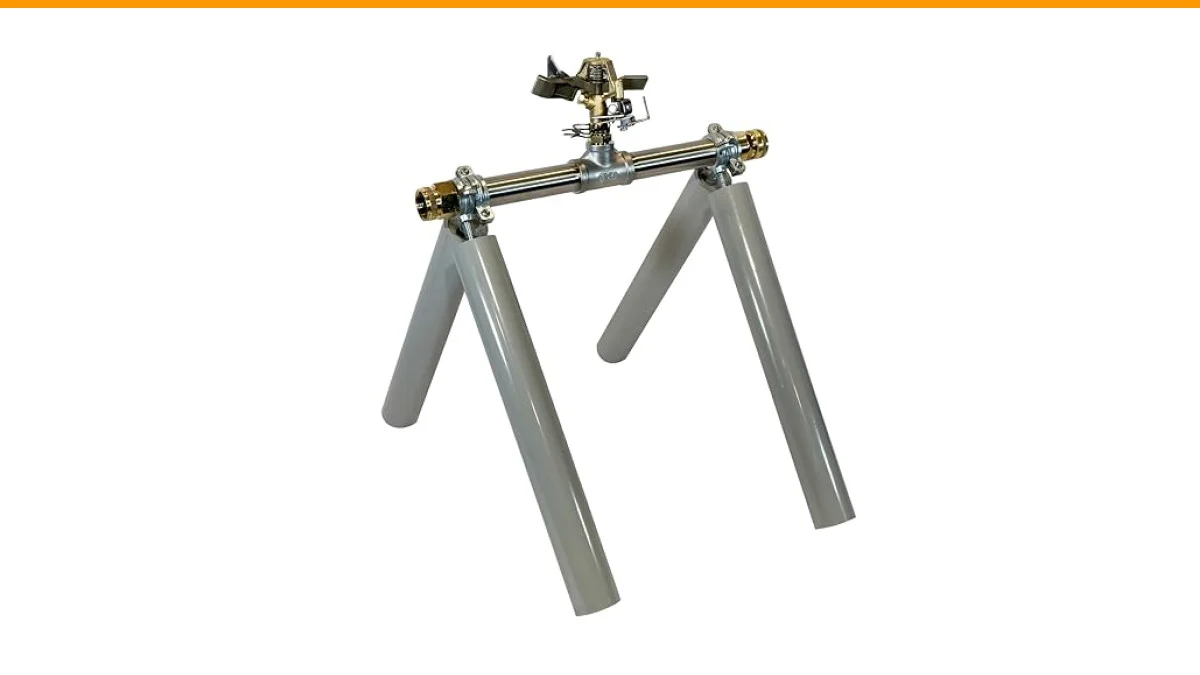
Iron Owl Rooftop Sprinklers
Rooftop Sprinkler (gray) - Iron Owl - Wildfire Ember protection Sprinkler for your Roof
- Fits any roof without drilling holes in the roof.
Before you start hauling soil, one practical note: a roof is an exposed place, and a wildfire ember or an unexpected dry spell can undo years of growth in an afternoon. A simple rooftop sprinkler that fits without drilling holes in the roof gives you a backup line of defense for those high-risk days. It’s not glamorous, but neither is watching a garden you built go up in smoke.
Stormwater: The Benefit That Pays for Itself
Most cities charge property owners a stormwater fee based on how much impervious surface they own. Bare roofs shed nearly every drop of rain straight into the drainage system. A rooftop garden changes that equation.
Research from cities like Portland and Toronto shows that a green roof with 4 to 6 inches of growing medium retains between 50% and 80% of annual rainfall. The exact number depends on your climate and the depth of the substrate. In a place with frequent light showers, retention sits at the high end. In a region with intense tropical downpours, the percentage drops because the soil saturates quickly and the rest runs off.
The mechanism matters more than the headline number. A rooftop garden delays the peak flow of a storm. Instead of a sudden surge of water hitting the sewer system at 9:15 AM, the runoff trickles out over several hours. That delay is what prevents combined sewer overflows, where untreated wastewater dumps into rivers and lakes. Cities care about this because the EPA fines them for it. You should care because some municipalities offer density bonuses or fee reductions for roofs that manage their own water.
One caveat: a rooftop garden is not a retention pond. During a 100-year storm event, it will behave a lot like a conventional roof. The benefit is in handling the everyday rains and the moderate storms that make up most of a city’s annual volume.
Urban Heat Island Effect: Cooling the Air Around You
Walk past a black rubber roof on a July afternoon and you’ll feel the heat radiating off it. That surface can hit 170°F. The air above it warms, and the building below it absorbs heat through the deck. Rooftop gardens break this cycle in two ways.
First, plants shade the membrane. Second, and more importantly, the soil and plants evaporate water through evapotranspiration. That process consumes energy and cools the surrounding air, the same way sweat cools your skin.
Studies from Chicago and New York measured surface temperatures of green roofs at 80°F to 100°F cooler than conventional black roofs during peak summer conditions. Air temperature directly above the roof was several degrees cooler as well. On a city block with many green roofs, that translates into a measurable reduction of the urban heat island effect, which is why some cities now mandate green roofs on new large buildings.
For a homeowner, the benefit is more personal. A cooler roof deck means less heat conducted into the top-floor rooms. That cuts air conditioning loads by 10% to 30% in summer, depending on your insulation quality. The savings won’t pay for the garden, but they help offset the cost of the irrigation you’ll need to keep it alive.
Energy Performance: Winter and Summer Are Different Stories
Rooftop gardens act as a thermal blanket. In summer, the soil and plant layer block solar radiation before it hits the roof membrane. In winter, the same layer adds mass and insulation, reducing heat loss through the ceiling.
But the magnitude of the effect varies. A study from the National Research Council of Canada found that a green roof reduced heat flow through the roof by about 75% in summer. In winter, the effect was smaller but still positive, reducing heat loss by roughly 26%. The soil itself doesn’t insulate as well as fiberglass, but it adds thermal mass that smooths out temperature swings.
Here’s the part people skip: the energy savings depend heavily on what’s underneath the garden. If your roof deck has 6 inches of closed-cell foam insulation, the garden adds very little. If the deck is uninsulated, which is common in older buildings and garages, the garden makes a dramatic difference. Check your attic or ceiling temperature before you invest, because that tells you where you stand.
You also need to account for the embodied energy of the materials. The expanded clay aggregate often used in growing medium takes a lot of energy to produce. A shallow, lightweight system with 3 inches of substrate has a much faster energy payback than a deep intensive garden with engineered soils.
Air Quality and Biodiversity: Real but Local
Plants absorb carbon dioxide and some gaseous pollutants. They also trap particulate matter on their leaves. A rooftop garden does all of this, but the scale is easy to exaggerate.
One square meter of green roof captures roughly 0.2 kilograms of particulate matter per year, according to a study in the journal Environmental Pollution. That’s a real number, but it’s not going to clean up a city. The effect is meaningful when multiplied across many roofs, and it matters most right at the rooftop level, where the plants sit between the building’s air intake and the street below.
The biodiversity story is more compelling. A rooftop garden is not a replacement for a native prairie, but it is a stopover for migrating birds and a foraging site for pollinators. A 2026 study in Berlin found that green roofs supported over 180 species of beetles and spiders, many of them rare in the surrounding urban area. The key was plant diversity. A roof planted with a single species of sedum supports far less life than one with a mix of wildflowers, herbs, and grasses.
If you want maximum wildlife value, skip the perfectly manicured look. Let some areas grow tall, leave a patch of bare soil for ground-nesting bees, and choose plants native to your region. The rooftop environment is harsh, but these small gestures make a difference.
Comparing Your Options: Intensive, Extensive, and Hybrid Systems
Not all rooftop gardens are equal. The type you choose determines the environmental benefits you actually get. Here’s a comparison to help you decide what fits your building and your goals.
| Feature | Extensive | Intensive | Hybrid / Semi-Intensive |
|---|---|---|---|
| Growing medium depth | 2 to 6 inches | 6 to 24+ inches | 4 to 8 inches |
| Typical plants | Sedum, moss, hardy succulents | Shrubs, small trees, vegetables, lawns | Perennials, grasses, small shrubs |
| Structural load required | 15 to 30 lbs/sq ft | 60 to 200+ lbs/sq ft | 30 to 50 lbs/sq ft |
| Stormwater retention | 50% to 70% of annual rainfall | 70% to 90% (deeper soil holds more) | 60% to 80% |
| Cooling effect | Moderate, good for large areas | High, especially with taller plants | Good balance |
| Biodiversity support | Low to moderate | High | Moderate to high |
| Maintenance needs | Low, 1-2 visits per year | High, requires regular watering and pruning | Moderate, seasonal attention |
| Cost per square foot | $10 to $30 | $30 to $100+ | $20 to $50 |
| Best for | Large commercial roofs with low load capacity | Rooftop patios and food production | Homeowners wanting a balance |
The extensive system gives you the most environmental benefit per pound of structural load. The intensive system gives you the most dramatic results but requires a structural engineer and a serious commitment to irrigation. Most homeowners end up somewhere in the hybrid zone, which is why it’s the fastest-growing category in the market.
What About the Water and Energy to Maintain It?
Every environmental benefit of a rooftop garden comes with an input cost. The biggest one is water. In a dry climate, keeping a garden alive on a roof can require a lot of irrigation, and that water has its own environmental footprint related to pumping and treatment.
You can tilt the balance in your favor. Choose drought-tolerant plants that match your rainfall pattern. Install a drip irrigation system with a soil moisture sensor instead of a timer, so you’re not watering after a storm. And consider a rain barrel or cistern that captures runoff from a nearby larger roof to feed the garden during dry spells.
The other cost is the embodied energy in the materials. Lightweight growing media, drainage mats, and root barriers all require energy to manufacture and ship. A rule of thumb: the deeper and heavier the system, the longer it takes for the environmental benefits to offset the upfront costs. For a shallow extensive roof, that payback period is usually 2 to 5 years. For an intensive garden with 2 feet of soil, it can be a decade or more.
None of this means the benefits aren’t real. It means you should design the garden to match your climate and your building’s capacity, rather than copying a system from a different region. If you’re planning a rooftop herb garden design, for example, you’ll need to think about how much summer sun and wind your plants will tolerate, which directly affects their water needs.
Five Questions People Actually Ask
Do rooftop gardens leak or damage the roof membrane?
A properly installed rooftop garden protects the membrane. The soil and plants shield it from UV radiation and extreme temperature swings, which are the main causes of membrane degradation. The risk comes from poor installation, not from the garden itself. You need a professional root barrier and a proper drainage layer. If the drainage clogs or the root barrier fails, you can have problems. Inspect the system annually, especially around drains and edges.
How much does a rooftop garden weigh when saturated?
This is the first question a structural engineer will ask. A saturated extensive system with 4 inches of growing medium weighs about 25 to 35 pounds per square foot. An intensive system with 18 inches of soil can weigh over 150 pounds per square foot. Most residential roofs are designed for 20 to 40 pounds per square foot of live load, so you’ll likely need an engineer to assess your specific building before you commit to anything beyond a very shallow system.
Can I grow vegetables in a rooftop garden?
Yes, if the structure supports the weight. Vegetables need at least 8 to 12 inches of soil, which pushes you into the intensive category. You’ll also need to deal with wind, which dries out plants and stunts growth. Raised beds help, and a windbreak along the prevailing wind side makes a noticeable difference. Expect to water more often than you would in a ground plot, since the roof heats up and drains quickly. The watering and fertilizing schedule for rooftop herbs is a good reference for getting this balance right.
Will a rooftop garden work on a sloped roof?
It can, but it’s more complicated. A slope up to about 15 degrees is workable with specialized trays and anti-erosion blankets. Steeper than that, the soil will slide and you’ll need engineered systems with baffles or a grid structure. Most sloped roof installations are extensive sedum systems, because they’re lightweight and can be installed in modular trays. A flat or gently sloped roof is much easier and cheaper to convert.
How long does it take for a rooftop garden to establish?
Plan on one full growing season for the plants to settle in and start providing measurable benefits. Sedum plugs will spread and cover the surface in 6 to 12 months if you water them regularly during the first summer. Deeper systems with shrubs and perennials take 2 to 3 years to reach maturity. The stormwater and cooling benefits start as soon as the soil is in place, but the full biodiversity value only appears once the plant community is established.
What You Can Do With This Information
- Get a structural assessment before you buy anything. The load capacity of your roof dictates every other decision.
- Start with a shallow extensive system if you want the quickest environmental payback for the least cost and maintenance.
- Choose plants based on your local rainfall, not on what looks pretty in a catalog. Drought tolerance is non-negotiable.
- Install a smart irrigation controller with a rain sensor so you’re not wasting water during wet weeks.
- Check with your local government about stormwater fee credits or grant programs for green roofs. They exist in many cities and can cover 20% to 50% of your costs.
- Plan for maintenance. A neglected rooftop garden can become a weed patch that holds water against the membrane, which defeats the purpose.
- Keep a simple fire suppression option on hand, like the Iron Owl rooftop sprinkler, for dry-season emergencies. It takes minutes to set up and doesn’t require any permanent modification to your roof.