
Rooftop gardening has a way of humbling you. You pick up a beautiful ceramic pot, carry it up three flights of stairs, and suddenly realize it weighs more than your gym bag before you’ve added a single scoop of soil. The wind whips across the open space, the sun bakes the pavement all afternoon, and your plants need more water than they ever did on the ground. Choosing the best containers for rooftop vegetable garden setups is not about aesthetics first. It is about weight, wind resistance, drainage, and how much heat the container transfers to the roots.
This guide walks through the specific materials and shapes that survive rooftop conditions, explains the trade-offs between them, and gives you a clear comparison table to reference when you shop. You will understand why galvanized steel performs well, where plastic falls short, and how to calculate the weight load on your roof before you buy anything.
Land Guard
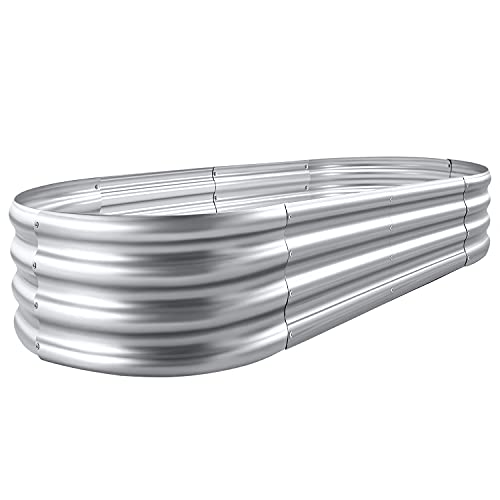
Land Guard Galvanized Raised Garden Bed Kit, Galvanized Planter Garden Boxes Outdoor, Oval Large Metal Raised Garden Beds for Vegetables…………
- Each raised metal garden bed size: 4×2×1ft ,7.14Cu
- Upgraded quality and structure: raised garden beds outdoor are made of Q195 galvanized metal sheet, double-layer anti-corrosion ga…
- Easy to set up, this galvanized stock tank only takes about 5 minutes to easily assemble and continue planting plants.
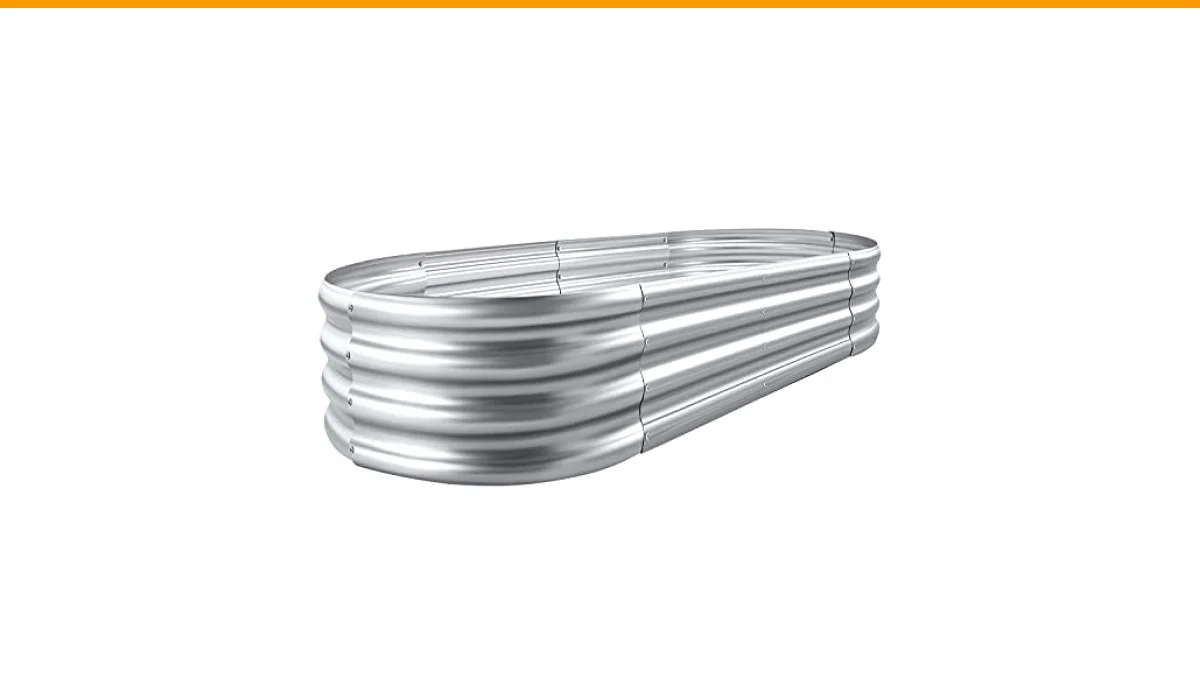
One strong option for a durable, open-bottomed bed is the Land Guard Galvanized Raised Garden Bed. Its oval steel structure handles wind better than tall rectangular planters, and the open base lets roots reach cooler soil below while preventing water from pooling around them.
Weight and Roof Load: The First Filter
Your roof has a structural limit. Most residential flat roofs support about 20 to 30 pounds per square foot when fully loaded. A typical 10-inch deep container filled with moist potting mix weighs roughly 10 to 12 pounds per gallon of soil. A 20-inch diameter plastic pot holds around 15 gallons, which means it weighs about 150 to 180 pounds once wet.
Spread that out. A long, low trough distributes weight across a wider area than a tall, narrow planter. A 4×2 foot galvanized bed filled to 1 foot deep holds roughly 7.14 cubic feet of soil. Wet soil weighs around 75 to 80 pounds per cubic foot, so that bed totals about 550 pounds. Over 8 square feet of footprint, that is roughly 70 pounds per square foot, which exceeds many roof ratings.
You have three ways to fix this. Use a lighter soil mix with perlite or pumice, keep containers shallower than 12 inches, or place heavy containers directly over load-bearing walls or beams. Place a 1-inch thick foam board or wooden pallet under containers to distribute point loads and protect the roof membrane from abrasion.
Material Breakdown: Pros, Cons, and Real Behavior
Galvanized Steel
Galvanized steel planters have become popular for good reason. The metal reflects radiant heat rather than absorbing it, which keeps root zones cooler on black tar roofs. The Land Guard bed uses Q195 galvanized steel with a double-layer coating, and the oval shape resists bowing better than flat-sided rectangles. The average sheet thickness of 0.78mm is noticeably sturdier than the 0.3mm metal found in budget bins.
Steel does conduct heat, so the sides can get warm in direct sun. The soil against the edges may dry out faster. Lining the inside with a breathable fabric or leaving a 2-inch gap between soil and the metal wall mitigates this. These beds require no assembly tools and set up in about five minutes, which matters when you are hauling everything up a ladder.
Plastic and Resin
Plastic pots are light and cheap. A 20-inch plastic pot weighs 5 pounds versus 40 pounds for a comparable ceramic one. That is a real advantage when moving empty containers. But thin plastic degrades under UV exposure. You will see fading and brittleness within two to three seasons of full sun.
Dark plastic absorbs heat significantly. On a 90-degree day, soil in a black plastic pot can hit 110 degrees, which stresses tomato and pepper roots. Choose light-colored, thick-walled plastic pots rated for outdoor use. Self-watering plastic containers work well on rooftops because they reduce watering frequency, but they add weight when the reservoir is full.
Fabric Grow Bags
Fabric bags excel at drainage and root air-pruning. They never waterlog, and they weigh almost nothing when empty. A 10-gallon grow bag weighs under a pound, making it the easiest option to move around. The downside is evaporation. Fabric sides lose moisture rapidly, especially in windy rooftop conditions. You will water daily during summer, sometimes twice.
Fabric bags also blow over in strong gusts unless anchored. Use a wire or wooden frame, or place them inside a heavier decorative outer pot. They work best for shallow-rooted crops like lettuce, herbs, and radishes, where frequent watering is manageable.
Wood and Cedar
Cedar and redwood resist rot naturally. A 2×6 cedar box looks classic and insulates roots better than metal or plastic. However, wood dries out and cracks over time. You will need to replace boards every 5 to 7 years, depending on your climate. Cedar also comes with a higher price tag, and a large raised bed gets heavy once filled.
Do not use pressure-treated lumber made before 2026; it may contain arsenic. Modern treated lumber uses copper compounds, which are safer but can leach into soil. If you grow root vegetables, line the interior with heavy plastic or use cedar exclusively.
Shape and Wind Resistance
Rooftops get wind that ground gardens never feel. Tall, vertical planters act like sails. A 30-inch tall rectangular planter catches gusts and can tip over. Wide, low containers with a larger base footprint are inherently stable. The oval design of the Land Guard bed reduces wind drag compared to flat-sided boxes, and the lower profile keeps the center of gravity closer to the roof.
Use these guidelines when selecting shapes:
- Keep container height below 24 inches for most vegetables.
- Choose containers whose width is at least half their height.
- Place tall plants like tomatoes in the center of the container, not the edge.
- Group containers together to break wind flow and create microclimates.
Drainage matters more on a rooftop than anywhere else. Excess water has nowhere to go except through the container. Every pot needs drainage holes, not just one central hole. Elevate containers on feet or blocks so water flows freely and does not stain the roof surface. A saucer underneath can catch runoff, but empty it after heavy rain to prevent root rot.
Container Comparison Table
| Container Type | Empty Weight (20-inch size) | Heat Retention | Durability | Best For |
|---|---|---|---|---|
| Galvanized Steel | 15-25 lbs | Low (reflective) | 10+ years | Long-term beds, leafy greens, root crops |
| Plastic (thick-walled) | 4-8 lbs | High in dark colors | 3-5 years | Mobility, budget starts |
| Fabric Grow Bag | Under 1 lb | Medium | 2-4 years | Shallow roots, renters |
| Cedar Wood | 20-35 lbs | Medium | 5-7 years | Insulation, aesthetics |
| Ceramic/Glazed Clay | 40-60 lbs | High (glazed) | 10+ years (cracks if frozen) | Permanent placement, herbs |
Ceramic pots look beautiful but they crack in freezing temperatures if left outdoors. If you live in a zone with hard winters, move them inside or wrap them in burlap. They also cost more per cubic foot of soil than any other option, so reserve them for accent plants rather than bulk production.
Soil Volume and What You Can Grow
Container depth dictates what you can plant. Shallow containers under 8 inches suit lettuce, spinach, and radishes. Medium containers of 8 to 12 inches grow peppers, eggplant, and bush beans. Deep containers over 12 inches support tomatoes, cucumbers, and potatoes.
A 4x2x1 foot bed gives you 8 square feet of surface area. You can fit four tomato plants spaced 18 inches apart, or sixteen lettuce plants spaced 6 inches apart. The Land Guard bed’s 7.14 cubic feet of soil volume holds moisture longer than individual pots because the larger soil mass buffers temperature swings.
Mix your own soil rather than buying bagged topsoil. A good rooftop mix combines 60% quality compost, 30% coarse perlite or pumice, and 10% vermiculite. This blend retains moisture while draining freely. Pure compost compacts and suffocates roots. Bagged potting mixes often contain wetting agents that wash out after a few weeks.
Fertilize regularly. Container vegetables need feeding every two weeks with a balanced liquid fertilizer. Rooftop sun and wind increase metabolic rates, so plants consume nutrients faster than ground plants. Watch for yellowing lower leaves, which signals nitrogen deficiency.
Watering Strategies for Exposed Locations
Rooftop containers dry out faster than ground gardens due to wind and increased sun exposure. You may need to water twice daily during heat waves. Install a drip irrigation system with a timer to automate this. A simple battery-operated timer connected to a hose bib costs little and saves your plants during work hours.
Mulch the soil surface with straw, shredded bark, or pebbles. A 2-inch layer reduces evaporation by up to 30% and keeps the root zone cooler. Self-watering containers with a bottom reservoir also help, but they add weight and cost. For most rooftop gardeners, a drip system combined with mulch works best.
Check soil moisture by inserting your finger 2 inches deep. If it feels dry at that depth, water thoroughly until liquid drains from the bottom holes. Do not water on a schedule; water based on need, which varies with temperature, wind, and plant size.
Frequently Asked Questions
What is the best material for rooftop vegetable containers?
Galvanized steel offers the best balance of durability, heat reflection, and wind resistance. It lasts over a decade and does not degrade under UV light. Plastic is lighter but brittle after a few seasons. Fabric bags are cheapest but require constant watering.
How much weight can a rooftop garden hold?
Most residential roofs support 20 to 30 pounds per square foot. A saturated 4x2x1 foot galvanized bed weighs about 550 pounds, which is roughly 70 pounds per square foot. Place heavy containers over load-bearing walls or use shallower beds to stay within limits.
Do galvanized steel containers leach zinc into the soil?
Trace amounts of zinc and aluminum can leach from galvanized steel, especially with acidic soil. The levels are generally below safety thresholds for vegetables. To be cautious, line the interior with a food-safe plastic liner or keep soil pH above 6.0.
Can I leave containers on the roof during winter?
Galvanized steel and plastic survive freezing temperatures. Ceramic and glazed clay pots crack when wet soil freezes and expands. Empty them, move them indoors, or wrap them in insulation before the first hard frost.
What size container do I need for tomatoes on a rooftop?
Each tomato plant needs at least 5 gallons of soil, but 10 gallons produces noticeably better yields. A 4x2x1 foot bed holds four tomato plants comfortably. Smaller determinate varieties can manage in 5-gallon buckets with consistent watering.
What to Buy and What to Skip
- Galvanized steel beds like the Land Guard model are the best containers for rooftop vegetable garden projects because they resist wind, reflect heat, and last for years.
- Avoid thin plastic pots under 0.5mm thickness; they crack and fade within two seasons.
- Fabric grow bags are fine for herbs and lettuce, but anchor them against wind and expect daily watering.
- Match container depth to the crop: 8 inches for greens, 12 inches for peppers, 18 inches for tomatoes and root vegetables.
- Calculate roof load before buying large beds; spread heavy containers over structural supports.
- Install drip irrigation and mulch heavily to counteract rooftop wind and sun exposure.
- Set aside budget for quality soil mix and fertilizer; the container is only half the investment.
Start with one or two galvanized beds and learn how your specific rooftop behaves. Track wind patterns, sun exposure, and watering needs through a full season. Then expand with confidence. Your back will thank you for choosing lightweight materials, and your plants will reward you with a harvest that makes the climb worthwhile. For more ideas on what to grow, check this flower selection guide to add color between vegetable rows.