
Picture this: it’s a sunny Saturday morning, and you’re ready to tackle your overgrown lawn. You fire up your lawn mower, but instead of the familiar roar, you hear sputtering and stalling. You check the gas, the oil, and the blades, but the problem persists. Chances are, the issue could trace back to the lawn mower governor, a vital yet often overlooked component of small engine mechanics.
In this article, you’ll gain a clear understanding of what a lawn mower governor is, how it operates, and why it’s crucial for maintaining your mower’s performance. You’ll also learn about common issues and how to address them, ensuring your machine runs smoothly. For those needing quick fixes, check out the YGQ Lawn Mower Throttle Return Spring Assortment, designed to replace critical parts for various lawn mowers.

YGQ
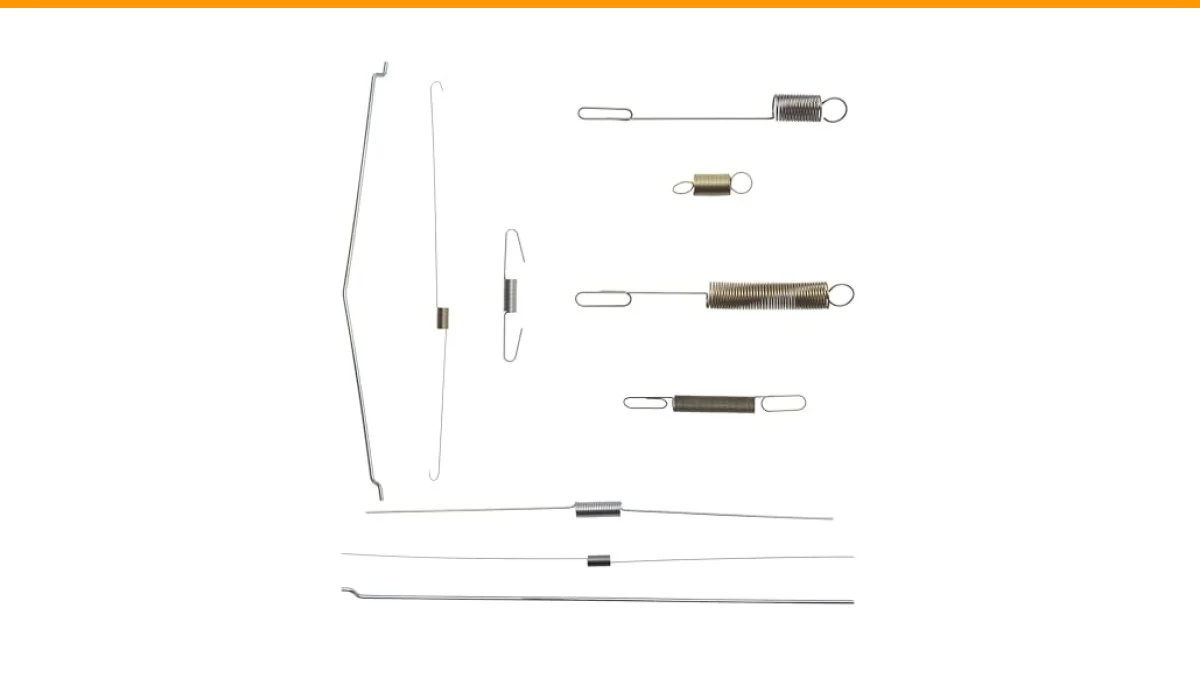
YGQ Lawn Mower Throttle Return Spring Assortment Fit for Briggs & Stratton
- Replaces Part#: Throttle Return Springs(16562-ZM0-000), Speed Control Springs(16561-Z0L-000), Governor Rod(16555-ZM0-000), For Hon…
- Replaces Part#: Governor Spring (262759, 692211), Governor Idle Spring (691859, 263109). Fits for many Briggs & Stratton lawn mowe…
- Replaces Part#: Air Vane Spring(790849), Governor Springs(699056). Fits for Briggs & Stratton Toro Craftsman Troy Bilt Lawn Mower…
The governor on a lawn mower regulates the engine’s speed, maintaining a steady RPM regardless of the load. Understanding this mechanism will help you troubleshoot performance issues and enhance the longevity of your mower.
What Does a Lawn Mower Governor Do?
A lawn mower governor plays a pivotal role in engine management. When you adjust the throttle, the governor ensures the engine maintains a consistent speed, adapting to changes in load or resistance. If you’re mowing thick grass, for instance, the governor compensates by allowing more fuel and air into the engine to maintain power.
Most lawn mower governors use a mechanical linkage connected to a spring mechanism. As the engine speed increases, the governor adjusts the throttle position to prevent the engine from over-revving, which can cause damage. This balance is essential for effective lawn care and engine health.
Common Misconceptions About Lawn Mower Governors
1. Governors Only Affect Speed
Many believe that the governor’s sole purpose is to control speed. While speed control is important, the governor also helps optimize fuel efficiency and engine performance. An improperly functioning governor can lead to excessive fuel consumption and poor cutting performance.
2. All Governors Are the Same
Another common misconception is that all lawn mower governors operate identically. In reality, different types—mechanical, electronic, and pneumatic—exist, each suited for specific engine designs. Understanding your mower’s governor type is vital for effective maintenance.
How to Maintain Your Lawn Mower Governor
Proper maintenance of the governor can lead to a longer lifespan for your mower. Here are some steps to follow:
- Regular Inspections: Check the governor linkage for wear or damage. Any frayed cables or broken springs should be replaced promptly.
- Clean the Components: Dirt and debris can impede the governor’s function. Regular cleaning ensures smooth operation.
- Adjusting the Governor: If you’re experiencing inconsistent speeds, a simple adjustment might be needed. Refer to the manufacturer’s manual for specific guidelines.
- Replace Worn Parts: Over time, components can wear out. The YGQ Lawn Mower Throttle Return Spring Assortment offers replacements for commonly used governor parts, ensuring your mower runs efficiently.
Comparison of Common Lawn Mower Governor Types
| Governor Type | Functionality | Common Uses |
|---|---|---|
| Mechanical Governor | Uses springs and linkages to control throttle | Most gas-powered lawn mowers |
| Electronic Governor | Utilizes sensors to adjust throttle electronically | High-performance or modern mowers |
| Pneumatic Governor | Uses air pressure to manage speed | Some small engines like generators |
Frequently Asked Questions
1. How do I know if my lawn mower governor is bad?
Signs of a bad governor include erratic engine speeds, stalling, or an inability to maintain a steady RPM under load. If you notice these symptoms, inspect the governor components.
2. Can I adjust the governor myself?
Yes, but you should understand your mower’s specific governor type first. Always refer to the manufacturer’s manual for detailed instructions on adjustments.
3. What happens if I remove the governor?
Removing the governor can lead to uncontrolled engine speeds, which may result in severe engine damage and safety hazards. It’s generally not recommended.
4. How often should I check my governor?
Inspect the governor during regular maintenance checks, typically every season or after every 25 hours of operation, whichever comes first.
5. Where can I find replacement governor parts?
Many parts can be found at local hardware stores, or you can purchase them online. The YGQ Lawn Mower Throttle Return Spring Assortment provides a good selection of replacement parts suitable for various brands.
Final Thoughts on Lawn Mower Governors
- Understand the role of a governor for optimal mower performance.
- Regular maintenance can prevent many common issues.
- Different governor types serve different engine designs.
- Using quality replacement parts ensures longevity.
- Take immediate action if you notice performance issues.
- Consult your mower’s manual for specific maintenance guidelines.
- Explore expert resources for further assistance, like lawn mower guides and reviews.



