Understanding CC on Lawn Mowers
Contents
When you’re out there mowing your lawn, you might notice various specifications on your mower, one of which is “CC.” If you’ve ever wondered what cc means on a lawn mower, you’re not alone. Many homeowners face this question, especially when choosing a new mower or understanding the capabilities of their current one. CC, or cubic centimeters, measures the engine’s displacement. This measurement directly correlates to the power output and efficiency of the mower’s engine.
Understanding CC is crucial for selecting the right mower for your lawn care needs. A higher CC usually means more power, enabling you to tackle tougher terrains or thicker grass. In this article, you’ll walk away with a clear understanding of what CC means on a lawn mower, how it affects performance, and what to consider when choosing a mower based on its engine size.

Oregon
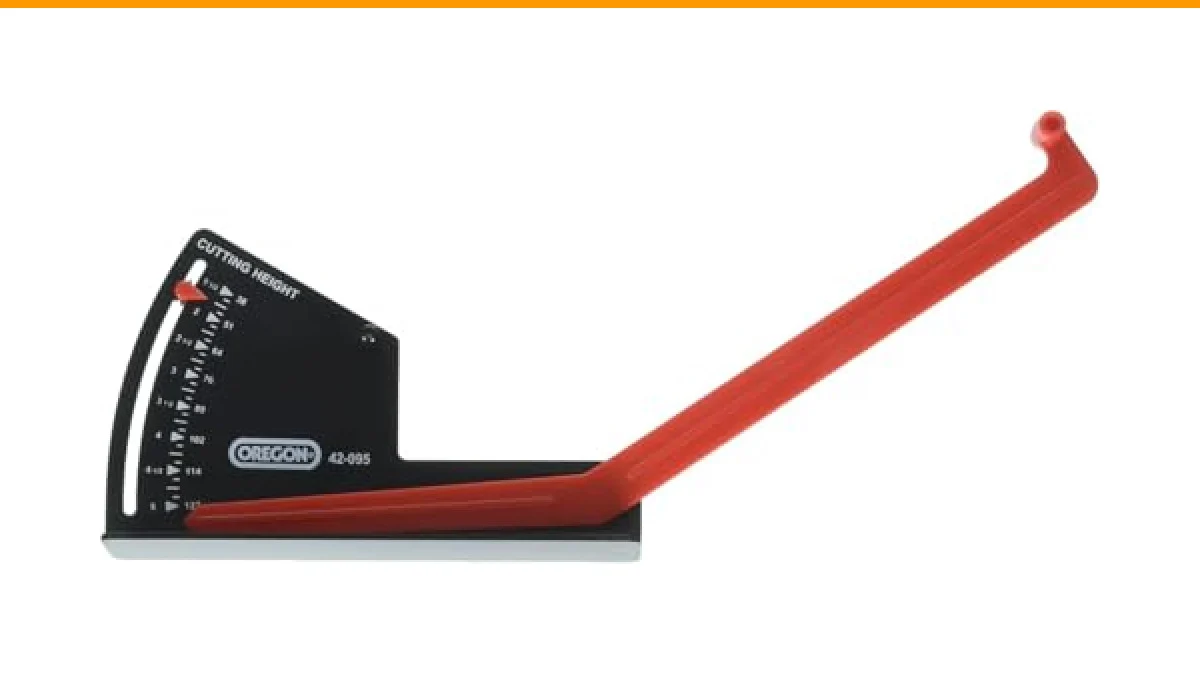
Oregon Universal Small Engine Deck Leveling Gauge
- Oregon Replacement Deck Leveling Gauge
- Oregon Genuine Replacement Part
- No Assembly Required
For those looking to maintain their lawn mower effectively, the Oregon Universal Small Engine Deck Leveling Gauge can be a handy tool. This gauge helps ensure your mower’s deck is level, which is vital for an even cut and overall performance.
What Does CC Mean?
CC stands for cubic centimeters, a unit of measurement that indicates the volume of the engine’s cylinders. When manufacturers specify the CC of a lawn mower, they refer to the engine size. Generally, the larger the CC, the more powerful the engine. For instance, a mower with a 160 CC engine will typically have more power than one with a 140 CC engine.
Most residential lawn mowers range from about 140 CC to 190 CC. Here’s how the CC affects performance:
- 140 CC: Ideal for small, flat lawns with light grass.
- 160-180 CC: Suitable for medium-sized lawns with some inclines and thicker grass.
- 190 CC and above: Best for large properties or lawns with tough terrain and thicker grass.
Why Does Engine Size Matter?
The engine size, measured in CC, impacts several aspects of lawn mower performance:
- Power: Larger engines provide more torque, which is essential for cutting through dense grass.
- Speed: A mower with a high CC rating generally operates at higher speeds.
- Fuel Efficiency: Smaller engines usually consume less fuel, making them more cost-effective for small lawns.
However, a larger engine isn’t always better. For a small yard, a mower with a smaller engine might be more appropriate, as it will be lighter and easier to maneuver.
Comparing Engine Sizes
| Engine CC | Best For | Expected Power | Typical Use |
|---|---|---|---|
| 140 CC | Small lawns | Low | Flat terrain, light grass |
| 160-180 CC | Medium lawns | Medium | Some inclines, thicker grass |
| 190 CC+ | Large lawns | High | Rough terrain, dense grass |
Frequently Asked Questions
1. How do I know what CC my lawn mower has?
The CC of your lawn mower is usually listed in the owner’s manual or on a sticker near the engine. If you can’t find it, check the manufacturer’s website for your mower model.
2. Does a higher CC mean better performance?
A higher CC typically means more power, enabling the mower to handle tougher conditions. However, it also depends on the lawn’s size and grass type. For small yards, a lower CC may suffice.
3. Can I use a mower with a lower CC than recommended?
You can use a mower with a lower CC, but it might struggle with dense grass or hilly terrains. It’s essential to match the mower’s capabilities with your lawn’s demands.
4. What is the average CC for residential lawn mowers?
Most residential lawn mowers range from 140 CC to 190 CC. This range suits various lawn sizes and grass conditions.
5. Does CC affect fuel consumption?
Yes, generally, smaller engines (lower CC) consume less fuel than larger ones. However, the overall efficiency also depends on the mower’s design and how it is used.
Take Action on Your Lawn Care
- Check your mower’s CC for optimal performance.
- Consider the size of your lawn when choosing a mower.
- Use the Oregon Leveling Gauge to maintain even cutting.
- Match engine size to lawn conditions for best results.
- Research different mowers to find the best fit for your needs.
- Keep an eye on fuel efficiency for cost savings.
- Regular maintenance can prolong your mower’s life.