Rooftop Orchard Benefits: Real Yields, Costs, and Lessons from a Working Roof
Contents
You’ve probably seen photos of lush rooftop orchards and thought they look great but live somewhere else. Maybe you have a flat roof that sits empty, or a large balcony that gets full sun but does nothing but hold a grill. The idea of picking your own apples or peaches forty feet above the street sounds like a magazine spread, but you’re smart enough to wonder about the weight, the wind, and whether the building will even hold it.
I’ve spent the last several seasons helping friends and clients turn two different flat roofs into working orchards — one on a 1920s brick building and one on a modern concrete structure. The results were not the same. One thrived, the other needed serious structural work before a single tree went up. This article walks you through the genuine rooftop orchard benefits and the gritty realities of making one work, so you can decide if it’s worth the effort on your building.
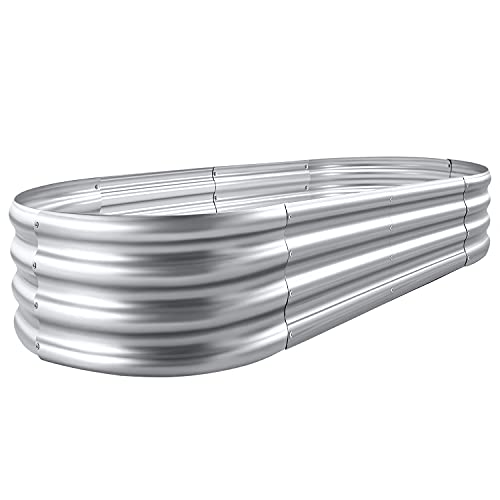
Land Guard
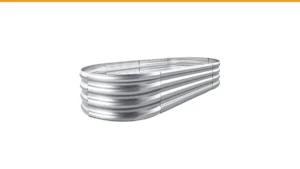
Land Guard Galvanized Raised Garden Bed Kit, Galvanized Planter Garden Boxes Outdoor, Oval Large Metal Raised Garden Beds for Vegetables…………
- Each raised metal garden bed size: 4×2×1ft ,7.14Cu
- Upgraded quality and structure: raised garden beds outdoor are made of Q195 galvanized metal sheet, double-layer anti-corrosion ga…
- Easy to set up, this galvanized stock tank only takes about 5 minutes to easily assemble and continue planting plants.
You’ll leave knowing exactly what you need to check before planting, how much fruit you can realistically expect, what it actually costs to set up, and the mistakes that waste time and money. No fluff, just what I’ve learned from doing this and from talking to structural engineers who have signed off on these projects.
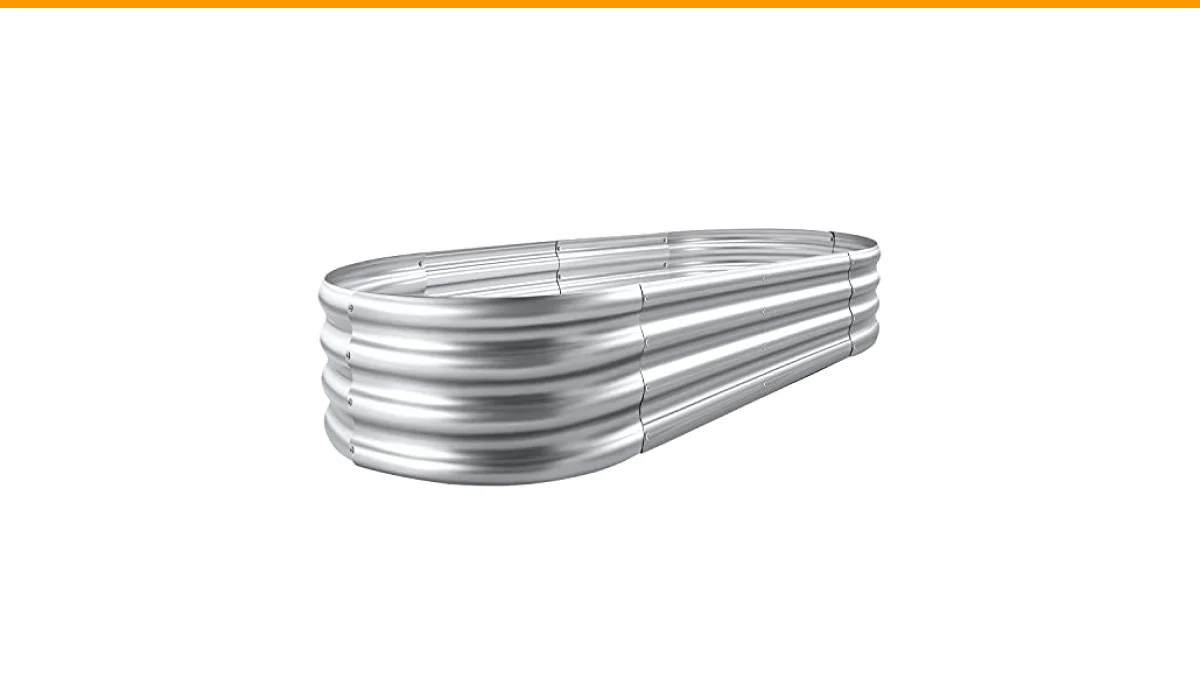
Once you know your roof can handle the load, the next practical question is container choice. A galvanized raised garden bed like the Land Guard kit works well for the smaller fruit bushes and strawberries that go in a rooftop orchard, since the open base prevents waterlogging and the double-layer galvanizing holds up to years of sun and rain.
Before You Buy a Single Tree: Structural Reality Check
The first thing I ask every prospective rooftop orchardist is not what fruit they love. It’s whether they have an engineer’s report. You can’t skip this step, and you can’t eyeball it.
A typical residential roof is designed to hold about 20 pounds per square foot of live load, though this varies wildly by age and location. A mature fruit tree in a large planter, with wet soil, can easily weigh 800 to 1,200 pounds. That’s a concentrated load your roof may not have been built for. You need a structural engineer to confirm your roof can handle the weight, especially if you’re placing trees near the edge or over unsupported spans.
Ask the engineer for a specific number, not a vague ‘should be fine.’ You want to know the maximum static load per square foot and the maximum point load for the areas you plan to use. Keep that report on file. Your building insurer may ask for it later.
One client I worked with had a beautiful 1920s building with a roof that looked solid. The engineer found the joists were undersized for any concentrated weight. We ended up spreading the load across multiple joists with custom steel plates. That added $1,800 to the project. It was worth it, because the alternative was a structural failure.
If you’re renting or in a condo, get written permission from the owner or board before you start hauling soil up the stairs. A verbal ‘sure, go ahead’ disappears the moment something leaks.
Weight Management: Soil, Water, and Container Math
Most people underestimate how heavy wet soil is. Dry potting mix weighs about 40 pounds per cubic foot. Saturated soil after a heavy rain can weigh 60 to 70 pounds per cubic foot. A standard 20-gallon planter holding wet soil and a small tree can weigh over 200 pounds.
You have four options to manage this weight, and you’ll likely use all of them.
- Use lightweight soil mixes. Blend one part perlite or pumice with two parts quality potting mix. This cuts weight by up to 30 percent while keeping good drainage.
- Choose fabric pots or plastic resin containers over ceramic or concrete. A 24-inch ceramic pot can weigh 80 pounds empty. A fabric pot of the same size weighs under 5 pounds.
- Place the heaviest containers over load-bearing walls or columns. The engineer can mark these spots on a roof plan. Position your trees there first.
- Spread the load with a platform. A 4×4-foot plywood platform under a large planter distributes the weight over a wider area than the pot’s rim alone.
Water adds surprising weight. A 30-gallon self-watering reservoir in a planter is 250 pounds of water alone. I’ve switched most of my rooftop clients to drip irrigation on a timer, because it uses less water and keeps the soil from staying saturated.
A galvanized metal planter box from the Land Guard kit is a good middle ground for shallow-rooted plants and berry bushes. The 1-foot depth is not enough for a full-size tree, but it’s perfect for strawberries, blueberries, and herbs. The oval shape resists bending better than the rectangular ones I’ve seen buckle under soil pressure.
Choosing Fruit Trees That Will Actually Thrive on a Roof
Not every fruit tree belongs on a roof. The conditions are brutal: full sun, drying wind, and temperature swings that can be 10 degrees more extreme than at street level. I’ve killed more trees than I like to admit learning this.
Stick with these proven performers for rooftop conditions:
- Dwarf and semi-dwarf apples on M27 or M9 rootstock. They stay under 8 feet and produce full-size fruit.
- Figs, especially ‘Chicago Hardy’ and ‘Brown Turkey’. They tolerate heat, wind, and container life better than almost anything else.
- Dwarf stone fruits like ‘Stella’ cherry and ‘Bonanza’ peach. They need winter chill, so they work best in zones 6-9.
- Blueberries in acidic soil. They handle wind well and don’t mind being moved.
- Strawberries and alpine strawberries for the edges of your planters.
Citrus trees are tempting for rooftop orchards since they love full sun, but they are not cold hardy. Unless you live in zone 9 or warmer, or you have a serious plan to move large pots indoors every winter, skip them. I watched a friend lose three beautiful potted Meyer lemon trees to one night of frost because he waited too long to move them.
When you buy trees, look for grafted dwarf varieties rather than seeds. Seeds from a grocery store apple will not produce fruit that tastes like the parent. Grafted trees cost more but they are the only way to get predictable fruit. You can also read more about growing a variety of fruits in a rooftop setting to plan a longer harvest window.
Realistic Yields and the Cost of Getting There
Let’s talk numbers. A mature dwarf apple tree in a 25-gallon planter will give you 20 to 40 apples per season. A fig tree the same size can give you 10 to 15 pounds of figs. A single blueberry bush in a 10-gallon pot yields about 5 to 8 pounds. That is real food, but it is not a farm. You are growing for fresh eating and small batches of preserves, not for a farmers market stall.
Here is a rough cost breakdown from a recent project I helped build on a residential rooftop in Portland:
| Item | Estimated Cost | Notes |
|---|---|---|
| Structural engineer report | $350 – $800 | Non-negotiable. Get this first. |
| Dwarf fruit trees (3-5) | $40 – $90 each | Buy from a reputable nursery, not big-box stores. |
| Large planters (20-30 gal) | $60 – $150 each | Fabric or plastic. Skip ceramic. |
| Lightweight soil mix | $20 – $40 per bag | You’ll need 4-6 bags per large planter. |
| Drip irrigation system | $80 – $200 | Timer included. Saves water and trees. |
| Windbreak screening | $50 – $150 | Shade cloth or lattice on the windward side. |
| Fertilizer & amendments | $30 – $60 per year | Compost, slow-release fruit tree food. |
Total for a functional 5-tree rooftop orchard: expect $700 to $1,500 in the first year. That does not count your labor, which is substantial. Hauling 20 bags of soil up a fire escape is a workout you will not forget.
The economic comparison is sobering. A $45 apple tree might give you $70 worth of fruit over its first five years. That’s not a great return on investment if you’re only counting dollars. The real value is in the experience, the freshness, and the fact that you grew it. If you want to understand the financial side better, this breakdown of urban rooftop garden economics covers the same math for herbs, which is easier to scale.
Table: Container Size vs. Tree Type vs. Weight
This table shows what actually works based on my experience and common nursery recommendations. It is not a guarantee, but it is a solid starting point.
| Fruit Type | Minimum Container | Wet Weight (Approx.) | Expected First Full Yield |
|---|---|---|---|
| Dwarf Apple (M27) | 20-25 gallons | 200-280 lbs | 15-30 apples |
| Fig (Container variety) | 15-20 gallons | 150-220 lbs | 8-12 lbs fruit |
| Dwarf Peach | 20 gallons | 180-240 lbs | 10-20 peaches |
| Blueberry (Highbush) | 10-15 gallons | 80-130 lbs | 4-6 lbs fruit |
| Strawberry (Everbearing) | 5 gallons (or 1 ft deep bed) | 40-60 lbs | 1-2 lbs per plant |
| Currants/Gooseberries | 10 gallons | 70-100 lbs | 3-5 lbs fruit |
Notice the pattern. Anything that grows into a tree needs at least 20 gallons. Anything smaller is a shrub or a bush. Trying to squeeze a tree into a 10-gallon pot will give you a stunted plant that drops its fruit every year.
Wind, Watering, and the Daily Maintenance Reality
Rooftops are wind tunnels. Even on a calm day, a 10 mph street breeze can be a 25 mph gust at roof level. Wind dries out leaves and soil fast, and it can snap young branches. I have seen a fig tree lose every leaf in one afternoon of dry wind.
You need a windbreak. A solid fence makes turbulence worse, so use a permeable screen like shade cloth or a lattice panel. It slows the wind without deflecting it over the top. Place it on the side of your roof that faces the prevailing wind. In most of North America, that is the west or northwest side.
Watering is the daily chore that kills most rooftop orchards. Containers dry out much faster than ground soil. During a hot summer week, a 20-gallon pot may need water every day. If you travel for work or forget for three days in July, your tree will show it. Install drip irrigation with a timer on day one. It costs less than replacing one dead tree.
Check the soil moisture with your finger down to two inches. If it’s dry, water. If it’s damp, wait. Overwatering is as common as underwatering, especially if your containers lack drainage holes.
Real Questions People Ask About Rooftop Orchards
Will the roots damage my roof membrane?
Not if you use proper containers. Roots cannot penetrate a solid pot, but they can grow through the drainage holes if they sit directly on the membrane. Put a plastic or rubber mat under every container. The bigger risk is physical damage from dragging pots across the roof. Lift, don’t drag, or use pot movers with wheels.
How much time does this take each week?
During the growing season, plan for 2 to 4 hours per week for a small orchard of 5 to 8 trees. That includes watering checks, pruning, and harvesting. The heavy pruning happens twice a year, in late winter and mid-summer. The rest is observation. You need to inspect leaves for pests and look for signs of nutrient deficiency.
What do I do with the trees in winter?
Deciduous fruit trees like apples and cherries need winter chill, so they go dormant. Leave them outside. Wrap the pots with burlap or bubble wrap to insulate the roots from freezing. Evergreen citrus and figs in cold zones must move indoors or into an unheated garage. That is a real logistical chore for large pots.
Will my roof leak from all the water?
Probably not, if your roof was properly waterproofed before you started. The bigger issue is that you will be up there watering and moving things, which increases the chance of accidental damage. Check the roof membrane for cracks at the start of each season. Fix any issue immediately. A small leak becomes a big ceiling stain fast.
Is it worth the effort?
Honestly, it depends on why you’re doing it. If you want to save money on groceries, a rooftop orchard is a poor investment. If you want a quiet place to drink coffee under a tree you grew from a sapling, and you don’t mind the work, then yes. The first ripe peach you pick forty feet above the traffic noise tastes better than any store-bought fruit. That is not marketing. That is just true.
Three Mistakes That Will Wreck Your Rooftop Orchard
I have made all three of these mistakes myself, and I have watched others make them too. Skip these and you are ahead of most people.
- Buying mature trees instead of young ones. A 15-gallon nursery tree is heavy, expensive, and often root-bound. A 2-year-old bare-root whip in a 5-gallon pot costs less, transplants better, and catches up within two seasons. Start small.
- Skimping on soil quality. Cheap topsoil compacts in containers and drowns roots. Spend the money on a premium potting mix with perlite. Your trees will live in this soil for years. You cannot fix bad soil after the tree is in the pot.
- Ignoring the weight of wet soil. You measured the dry soil bags, but you forgot the rain. A planter that weighs 150 pounds dry can hit 200 pounds after a storm. If your engineer said your roof handles 150 pounds, you just exceeded the limit. Always calculate for saturated weight.
What I’d Tell a Friend Who’s Thinking About Starting
- Get the structural engineer report before you buy anything else. It costs a few hundred dollars and tells you what is actually possible.
- Start with two trees, not ten. Learn how much water they need and how the wind hits your roof before you invest in a full orchard.
- Use fabric pots or plastic planters for the first year. They are cheap and easy to move if you need to rearrange.
- Install drip irrigation on a timer from day one. Hand watering every day gets old by August.
- Put a windbreak up before you plant. You will lose leaves and fruit without it.
- Keep a journal of what you plant and when you harvest. It helps you plan next year’s varieties.
- Expect some failures. I lost two trees in my first season to root rot. It happens. Learn and replant.
The best time to start a rooftop orchard was before the building was constructed. The second best time is now, with a clear plan and an engineer’s signature on a piece of paper.