Understanding the Basics of Pole Saw Safety
Using a pole saw can feel empowering, especially when tackling those hard-to-reach branches. However, it also poses significant risks if not handled properly. Imagine standing on a ladder, reaching high into a tree, only to find yourself struggling with the tool’s weight and power. This scenario highlights the need for a solid understanding of pole saw safety tips.
This article covers essential safety measures that every user should know, ensuring not only effective tree care but also a safer experience. You’ll walk away with practical advice on how to handle your pole saw safely, including equipment checks, personal protective gear, and best practices while working at heights.
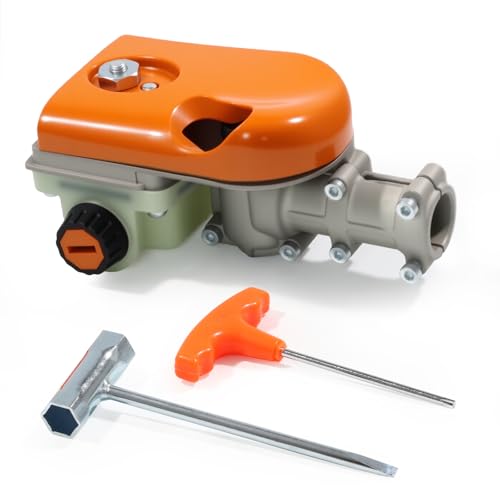
CCNLHZM
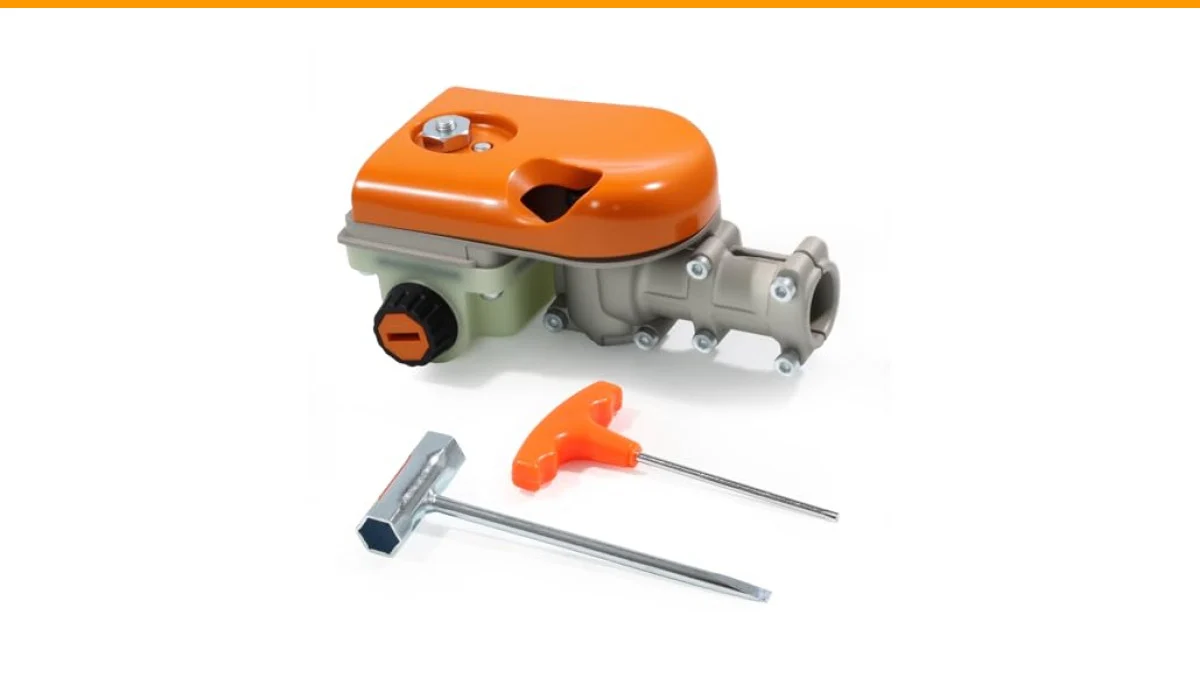
CCNLHZM Gear Head Pole Saw Gearbox Compatible with Stihl HT73 75 100 101 130 131 250, KM90 KM110 KM130, FS85, WT Spur Sprocket 3/8-6T Pruner Pole Saw Tree Cutter Replaces 4182 200 0070 4138 205 0008
- [OE Number]: This gear head gearbox directly replaces part numbers 4182 200 0070, 4138 205 0008
- [Wide-Ranging Compatibility]: Compatible with Stihl HT73 HT75 HT100 HT101 HT130 HT131 HT250 KM90 KM110 KM130 FS85, Also suitable f…
- [Premium Quality]: The gearbox is made of high quality material, which can withstand all kinds of working conditions, with excelle…
Additionally, if you’re in need of a reliable gear head for your pole saw, consider the CCNLHZM Gear Head Pole Saw Gearbox. It’s compatible with various Stihl models and enhances your tool’s performance, making your tree care tasks more efficient.
Essential Safety Gear
Before you even think about using a pole saw, you need to equip yourself with the right safety gear. This isn’t just a suggestion; it’s a necessity. Here’s what you should wear:
- Safety goggles: Protect your eyes from flying debris.
- Hard hat: Shield your head from falling branches.
- Gloves: Ensure a firm grip while handling the saw.
- Steel-toed boots: Guard your feet against equipment drop accidents.
Each of these items plays a critical role in keeping you safe. For example, hard hats can reduce the risk of head injuries, which are common during tree trimming tasks.
Pre-Use Equipment Checks
Conducting a pre-use inspection of your pole saw is vital. Always check the following:
- Chainsaw chain: Ensure it’s sharp and properly tensioned. A dull chain can lead to kickback.
- Battery or fuel level: Confirm that your power source is adequate for the job.
- Gearbox integrity: For models like the CCNLHZM Gear Head, make sure it’s in good condition to ensure smooth operation.
Neglecting these checks can result in equipment failure and injury. A quick inspection can save time and prevent accidents.
Safe Operating Practices
Once you’re geared up and your equipment is ready, follow these operational tips:
- Maintain a proper stance: Stand firmly on the ground or a stable ladder. Avoid overreaching.
- Work with a partner: Especially when trimming large branches, having someone nearby can help in case of an emergency.
- Follow the cutting technique: Always cut from the top down to avoid kickback.
These practices significantly reduce the risk of accidents. For instance, overreaching while cutting can lead to losing balance and falling.
Common Misconceptions About Pole Saw Safety
Myth: More Power Means Better Performance
Many believe that a higher power rating translates to better cutting performance. This isn’t always true. A pole saw with excessive power can be harder to control, leading to accidents. Choose a saw that matches your experience and the tasks at hand.
Myth: Safety Gear is Optional
Some users think they can skip safety gear for minor jobs. This is a dangerous mindset. Protective equipment is crucial, regardless of the task’s size. An accident can happen in the blink of an eye.
Comparison of Pole Saw Features
| Feature | Manual Pole Saw | Electric Pole Saw | Gas-Powered Pole Saw |
|---|---|---|---|
| Weight | Lightweight | Moderate | Heavy |
| Power Source | Manual | Electric | Gasoline |
| Cutting Power | Low | Moderate | High |
| Noise Level | Quiet | Low | High |
| Best For | Small branches | Medium branches | Large branches |
Frequently Asked Questions
What is the safest way to use a pole saw?
The safest way involves wearing appropriate safety gear, ensuring your equipment is in good condition, and maintaining a stable stance while cutting.
How often should I check my pole saw?
Check your pole saw before every use. Regular maintenance can prevent accidents and ensure your saw operates effectively.
Is it safe to use a pole saw alone?
While it’s possible, it’s safer to have a partner nearby. They can assist in emergencies or help stabilize your ladder.
Can I use a pole saw for tree felling?
Typically, pole saws are not designed for tree felling. They excel at trimming and pruning rather than cutting down entire trees.
What should I do if my saw jams?
Turn off the saw immediately and assess the situation. Never attempt to free a jammed blade while the saw is still running.
Final Safety Reminders
- Always wear safety gear.
- Conduct pre-use inspections regularly.
- Use proper cutting techniques.
- Work with a partner when possible.
- Be aware of your surroundings, especially overhead hazards.
- Keep a first aid kit nearby.