
Picture a sunny Saturday afternoon spent mowing your lawn. The scent of freshly cut grass fills the air, and your beloved dog or cat is happily playing nearby. Suddenly, you realize that the noise and movement pose a risk to their safety. Mowing the lawn is a routine task, but it can be hazardous for pets if precautions aren’t taken. Understanding pet safety when mowing the lawn can help you protect your furry friends while keeping your yard looking its best.
This article will provide you with actionable strategies to ensure your pets are safe during lawn maintenance. You’ll learn how to prepare your yard, manage your pets during mowing, and utilize tools that can make the process more efficient and safer for everyone involved.

Titan Attachments
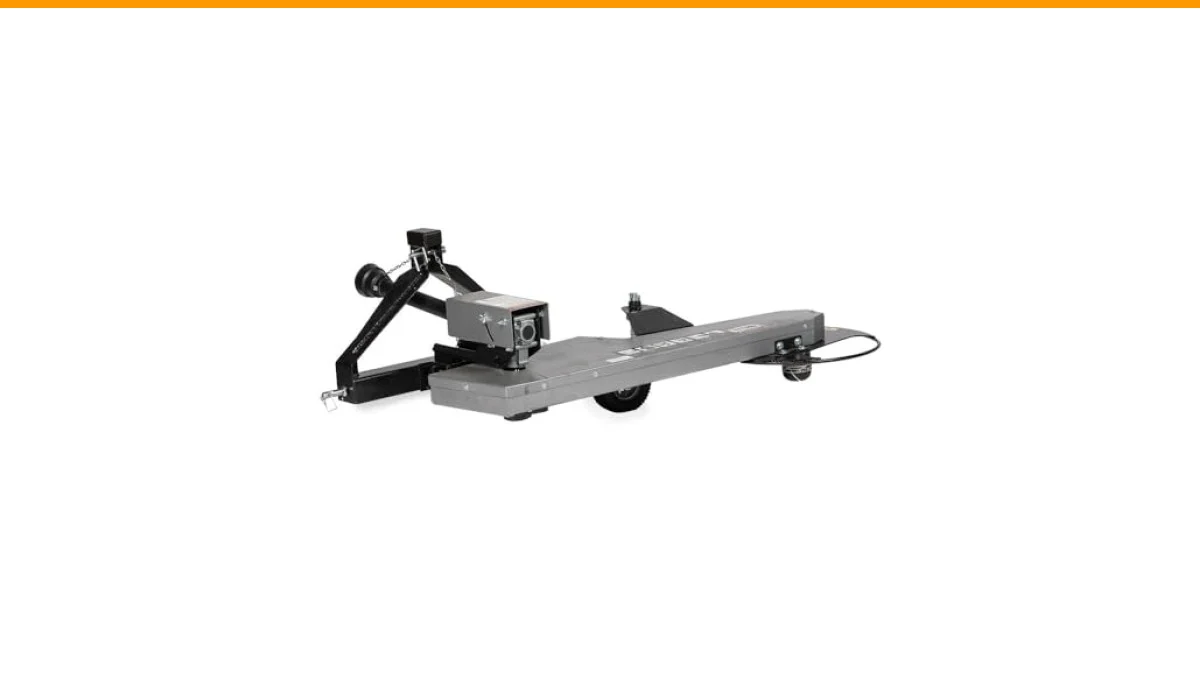
Titan Attachments 3 Point Trimmer Lawn Mower Attachment, Fits Cat 1 Tractors, PTO Powered up to 45 HP, Spring Loaded Mowing Arm, Pivoting Deck, Adjustable Wheel Height
- SPRING-LOADED MOWING ARM: The spring-loaded mowing arm allows the trimmer head to automatically deflect around fence posts, mailbo…
- PIVOTING DECK: Follow the contours of the land with the unique pivoting deck. Ideal for anywhere with uneven ground, the pivoting…
- SUPER-DUTY CUTTING CORDS: All DR Trimmer Mowers accept super-thick 175 mil cutting cords - the thickest, longest-lasting in the in…
For those looking for a tool that helps maintain a tidy lawn while minimizing risks to pets, consider the Titan Attachments 3 Point Trimmer Lawn Mower Attachment. This innovative device features a spring-loaded mowing arm that deflects around obstacles like fences and mailboxes, allowing you to trim close without harming your pets or landscaping.
Understanding the Dangers of Lawn Mowing for Pets
Before diving into safety measures, it’s important to understand why lawn mowing can be dangerous for pets. The noise of a lawn mower can startle pets, leading them to run into traffic or hide in unsafe areas. Additionally, flying debris, such as rocks or sticks, can injure pets nearby. Even the heat and exhaust fumes from gas-powered mowers can be harmful, especially for small animals.
Here are some specific dangers to consider:
- Noise Sensitivity: Many pets, especially dogs, can be sensitive to loud sounds. This can cause anxiety or panic.
- Flying Debris: Objects can be propelled from the mower, posing a risk of injury to pets nearby.
- Exhaust Fumes: Pets can be sensitive to chemical fumes, which can lead to respiratory issues.
- Heat Stress: Mowing can generate heat, which can be dangerous for pets left outside for too long.
Preparation: Creating a Safe Environment
Preparing your yard before mowing is crucial for pet safety. Here are steps you can take:
- Secure Your Pets: Keep pets indoors or in a safe, enclosed area away from the mowing zone. This prevents them from running into the path of the mower.
- Clear the Area: Remove toys, sticks, and other debris that could be thrown by the mower. This not only protects your pets but also ensures a cleaner cut.
- Check for Hiding Spots: Look for any spots where your pet might hide, such as bushes or tall grass. These can become dangerous if they get startled.
- Time Your Mowing: Choose a time when your pets are less likely to be outside. Early morning or late evening might be best, especially on hot days.
Using the Right Equipment
Investing in the right lawn care equipment can significantly improve pet safety. The Titan Attachments Trimmer Lawn Mower Attachment can be a game changer. Its spring-loaded mowing arm allows for cutting close to obstacles without risking damage to your yard or your pets. Here are some benefits of using specialized equipment:
- Safety Features: Look for mowers with guards and shields to protect against flying debris.
- Noise Reduction: Some electric mowers or trimmers operate more quietly than gas models, reducing stress on pets.
- Versatility: The Titan Attachment’s pivoting deck follows uneven terrain, allowing for a clean cut without needing to mow too closely.
Aftercare: Ensuring Ongoing Safety
Once you’ve completed mowing, ensure your pets remain safe as they return to the yard:
- Check the Area: Inspect the lawn for any debris that might have been missed and could harm your pets.
- Monitor Your Pets: Keep an eye on your pets as they return outdoors, especially right after mowing.
- Hydration and Rest: Ensure your pets have access to water and a cool place to rest, especially on hot days.
| Safety Measure | Description | Benefits |
|---|---|---|
| Secure Pets Indoors | Keep pets away from the lawn during mowing. | Prevents accidents and reduces stress. |
| Clear Debris | Remove any objects from the lawn. | Reduces risk of injury from flying debris. |
| Invest in Tools | Use mowers with safety features. | Enhances safety and efficiency. |
| Post-Mowing Check | Inspect the lawn for hazards after mowing. | Ensures a safe environment for pets. |
What should I do if my pet is scared of the lawn mower?
Introduce your pet to the mower when it’s off. Allow them to explore it at a distance. Gradually increase exposure as they become comfortable. Consider using treats to create positive associations.
How can I tell if my pet is stressed during mowing?
Signs of stress include excessive barking, hiding, panting, or attempting to escape. If you notice these behaviors, it’s best to remove them from the area.
What time is best to mow my lawn with pets around?
Early morning or late evening is often best. This timing reduces the chance of your pets being outside during mowing and helps avoid heat stress.
Are electric mowers better for pet safety?
Electric mowers tend to be quieter and can reduce stress for pets compared to gas-powered models. They also eliminate exhaust fumes, which can be harmful.
Can my pets be outside while I mow?
It’s safest to keep pets indoors or in a secure area far from the mowing zone. This prevents accidents and keeps them calm during the process.
Final Safety Tips for Pet Owners
- Always secure your pets indoors or in a safe area while mowing the lawn.
- Remove any debris from the yard to prevent injuries from flying objects.
- Invest in lawn care equipment that prioritizes safety features.
- Monitor your pets closely once they return to the yard after mowing.
- Consider quieter, electric mowers to reduce noise stress for pets.
- Choose the right time to mow, avoiding peak pet activity hours.
- Regularly check your yard for hazards even after mowing.


