Imagine spending your Saturday morning enjoying the fresh air while mowing your lawn effortlessly. You’re not wrestling with a heavy machine or dealing with tangled cords. Instead, your modern lawn mower glides smoothly over your grass, equipped with features that make the task quicker and easier than ever. This scenario is a reality thanks to advancements in lawn mower technology.
In this article, you will learn about the key features of modern lawn mowers, how they enhance performance, and what to consider when choosing the right one for your yard. You’ll walk away with a comprehensive understanding of the various types of mowers available, their unique features, and valuable tips for maintaining them.
For those in search of a reliable lawn mower, consider this guide on the best lawn mowers for small lawns. It offers insights into models that combine efficiency and ease of use, perfect for homeowners with limited yard space.
In this article
Key Features of Modern Lawn Mowers
Modern lawn mowers come packed with features designed to enhance usability and performance. Understanding these features will help you choose a mower that suits your needs:
1. Engine Types
The engine is the heart of any lawn mower. You generally find three types:
- Gas Engines: Powerful and suitable for larger lawns. They typically range from 140cc to 190cc. However, they require more maintenance and emit emissions.
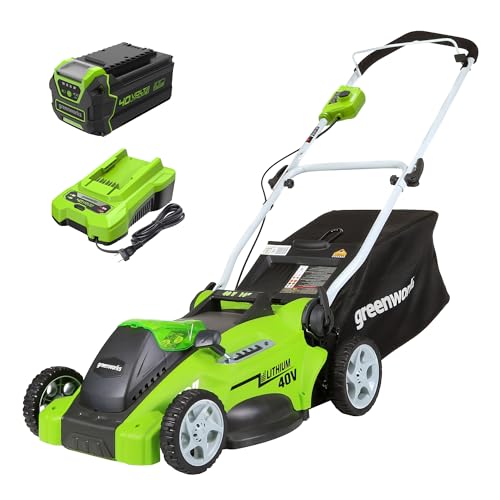
- Electric Mowers: These come in corded and cordless options. Cordless mowers use batteries rated between 20V to 80V, offering mobility without the hassle of cords. They’re quieter and produce no emissions but may have limited run times.
- Robotic Mowers: A newer option, robotic mowers operate autonomously. They use sensors to navigate and typically require a boundary wire. Their convenience comes at a higher price point but saves time and effort.
2. Cutting Width and Height Adjustments
Most mowers offer adjustable cutting heights, usually ranging from 1 to 4 inches. The cutting width varies between 14 to 30 inches. A wider cutting width reduces mowing time, while adjustable heights allow you to customize the cut based on grass type and season.
3. Mulching and Bagging Options
Modern mowers often feature mulching capabilities, chopping grass clippings into fine pieces that decompose quickly, returning nutrients to the soil. Some models also allow for bagging, collecting grass clippings to keep your lawn tidy. A dual-function mower can give you flexibility depending on your lawn care routine.
4. Self-Propelled vs. Push Mowers
Self-propelled mowers have drive systems that move the mower forward, reducing the effort required to push. These are particularly beneficial on slopes or uneven terrain. Push mowers are generally lighter and more affordable but require more physical effort.
5. Smart Features
Many modern mowers now include smart technology, allowing you to control them via smartphone apps. Features may include scheduling mowing times, monitoring battery life, and even diagnostics for maintenance issues.
Comparison of Lawn Mower Features
| Feature | Gas Mowers | Electric Mowers | Robotic Mowers |
|---|---|---|---|
| Power | High | Moderate | Low |
| Noise Level | High | Low | Very Low |
| Maintenance | High | Low | Moderate |
| Cost | Moderate to High | Low to Moderate | High |
| Mobility | Limited | Variable | Autonomous |
Common Questions About Modern Lawn Mowers
What is the best type of lawn mower for a small yard?
For small yards, electric mowers or robotic mowers are often the best choices. They offer ease of use, quieter operation, and less maintenance compared to gas mowers.
How often should I mow my lawn?
Mowing frequency depends on grass growth. Generally, you should mow every 1-2 weeks during the growing season. Adjust based on weather conditions and grass type.
Can I use a lawn mower on wet grass?
It’s not advisable to mow wet grass. Wet conditions can cause clumping, leading to uneven cuts and potential damage to the mower. Wait until the grass is dry for the best results.
What maintenance do modern lawn mowers require?
Regular maintenance includes sharpening blades, checking oil levels (for gas mowers), cleaning air filters, and inspecting the battery (for electric mowers). Follow the manufacturer’s guidelines for specific schedules.
Are robotic mowers worth the investment?
Robotic mowers can be a worthwhile investment if you value convenience and have a suitable lawn layout. They save time and effort but come with a higher initial cost.
Essential Takeaways for Choosing a Lawn Mower
- Identify your lawn size and terrain to select the right mower type.
- Consider engine type based on your maintenance preferences and environmental impact.
- Look for mowers with adjustable cutting heights and widths to suit different grass types.
- Evaluate mulching and bagging capabilities for efficient lawn care.
- Explore self-propelled options for ease of use on slopes or uneven ground.
- Smart features can enhance convenience but may increase costs.
- Regular maintenance extends the lifespan and performance of your mower.