Understanding Lawn Mower Vibration Health Effects
Contents
Many people enjoy the simple pleasure of mowing their lawns, a task that can transform an unkempt yard into a beautiful space. However, what might seem like an innocuous chore can expose you to significant health risks, particularly due to the vibrations produced by lawn mowers. These vibrations can lead to a range of health issues, from temporary discomfort to chronic conditions if not managed properly. In this article, you’ll learn about the health effects of lawn mower vibration, how to reduce exposure, and what precautions to take to protect yourself.
For those who frequently maintain their lawns, a product like vibration-dampening gloves can be a helpful addition. These gloves provide extra cushioning and reduce the amount of vibration transmitted to your hands, making your mowing experience more comfortable.
Understanding Vibration and Its Health Effects
Vibration from lawn mowers is primarily caused by the engine and blade operations. When using a standard gas-powered mower, vibration levels can reach as high as 10 m/s², depending on the model and condition of the mower. Prolonged exposure to such vibrations can lead to various health issues:
- Hand-Arm Vibration Syndrome (HAVS): This condition affects blood vessels, nerves, and joints in the hands and arms. Symptoms may include numbness, tingling, and loss of grip strength.
- Musculoskeletal Disorders: Continuous vibration exposure can lead to chronic pain in the back, neck, and shoulders.
- Circulatory Issues: Extended vibration exposure can constrict blood vessels, leading to reduced blood flow and increased risk of Raynaud’s phenomenon, which causes fingers to feel cold and numb.
Research indicates that symptoms of HAVS can develop after just a few hours of exposure to high vibration levels, emphasizing the need for regular breaks and protective measures.
How to Measure Vibration Levels
Measuring vibration levels can help you understand when it’s time to take a break. Many modern lawn mowers come equipped with vibration level indicators. Alternatively, handheld vibration meters can be purchased for detailed measurements. Here’s how to use them effectively:
- Place the meter on the mower’s handles while operating it to get a reading.
- Note the vibration level. Levels above 5 m/s² require caution and frequent breaks.
- Keep a log of your mowing sessions, noting the duration and vibration levels to track exposure over time.
Regular monitoring helps you stay aware of your exposure levels and manage them effectively.
Reducing Vibration Exposure
Certain strategies can significantly reduce your exposure to harmful vibrations while mowing:
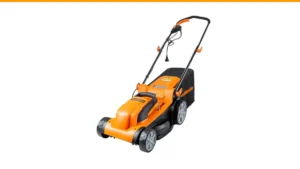
- Choose the Right Equipment: Opt for newer mowers designed with built-in vibration dampening features. Electric mowers tend to produce lower vibrations compared to gas mowers.
- Wear Protective Gear: Use vibration-dampening gloves and cushioned grips to minimize the effect of vibrations on your hands.
- Take Regular Breaks: Follow the 20-20-20 rule – for every 20 minutes of mowing, take a 20-second break to shake out your hands and arms.
- Maintain Your Mower: Regular maintenance can reduce vibration levels. Ensure blades are sharp and the mower is well-balanced to minimize excess vibration.
Implementing these strategies can lead to a more comfortable mowing experience while protecting your health.
Comparison of Vibration Levels in Different Lawn Mowers
| Mower Type | Vibration Level (m/s²) | Notes |
|---|---|---|
| Gas-Powered Mower | 8-10 m/s² | Higher vibration, more frequent breaks recommended. |
| Electric Mower | 3-5 m/s² | Lower vibration, generally quieter and easier to handle. |
| Robotic Mower | 1-2 m/s² | Minimal vibration, can mow autonomously. |
Frequently Asked Questions
What is Hand-Arm Vibration Syndrome (HAVS)?
HAVS is a condition caused by prolonged exposure to hand-arm vibration, leading to symptoms like numbness and tingling in the fingers, reduced grip strength, and even cold sensitivity. Early diagnosis is crucial for managing this condition.
How can I tell if my lawn mower is vibrating too much?
Check the vibration levels using a handheld meter. If readings exceed 5 m/s², consider taking breaks and using protective gear.
Are electric lawn mowers better for my health?
Generally, electric mowers produce lower vibration levels compared to gas-powered models. They are also quieter, which can make for a more pleasant mowing experience.
What are some signs of vibration-related injuries?
Common signs include numbness, tingling in the fingers, pain in the arms or hands, and difficulty gripping objects. If you experience these symptoms, consult a medical professional.
How can I reduce vibration exposure while mowing?
Use newer mowers designed with vibration dampening features, wear protective gear, take regular breaks, and maintain your mower properly to keep vibration levels low.
Practical Tips for Safe Mowing
- Choose equipment wisely: Invest in a mower with lower vibration levels.
- Wear protective gloves designed to absorb vibrations.
- Monitor your mowing time and take breaks to reduce fatigue.
- Keep your mower well-maintained for optimal performance.
- Consider using a robotic mower to minimize physical strain.
- Stay informed about symptoms of vibration-related health issues.
- Educate others about the risks associated with lawn mower vibration.
Understanding the health effects of lawn mower vibration can lead to safer practices while maintaining your lawn. Protect your health and enjoy your mowing experience with these actionable insights.