
The Rise of Regenerative Braking in Lawn Mowers
Imagine you’re halfway through mowing your lawn when your electric mower suddenly runs low on battery. You’re left juggling the task of charging it while trying to keep your yard looking pristine. This scenario is becoming less common, thanks to advancements like regenerative braking in modern electric lawn mowers. This technology not only improves efficiency but also extends battery life, allowing you to mow more with less.
This article aims to explain what regenerative braking is, its advantages over traditional braking systems, and how it can improve your mowing experience. You’ll walk away with a clear understanding of how this feature works and why it matters for lawn care.

MZK
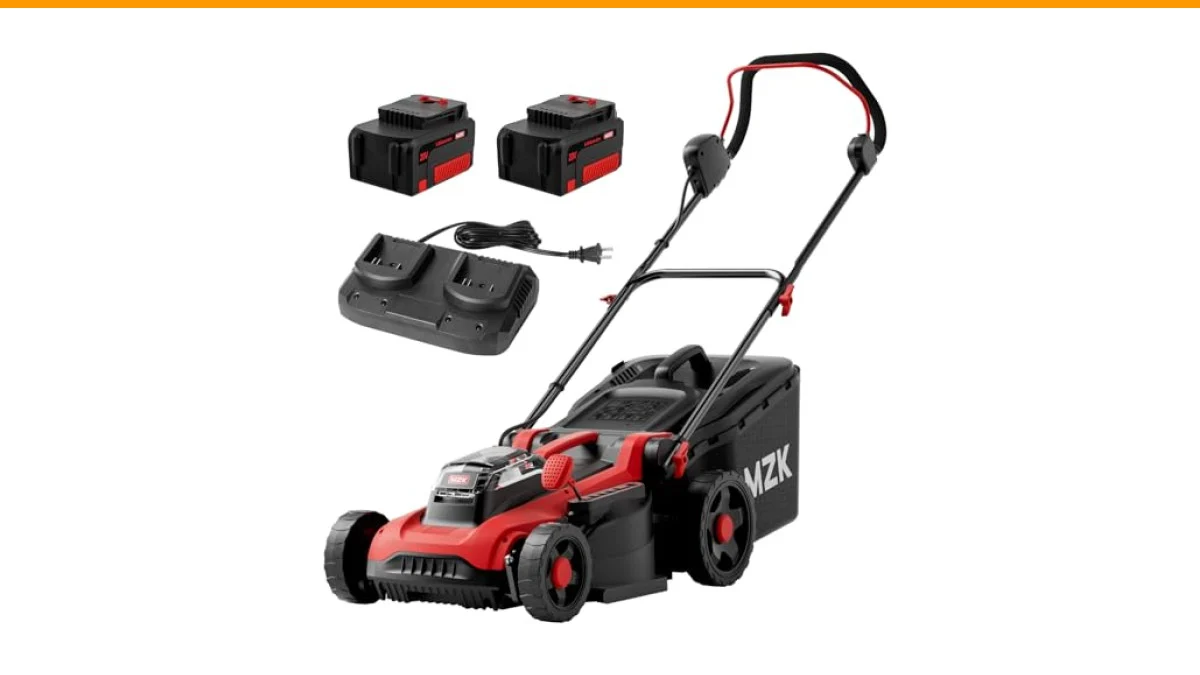
MZK Brushless Powered Outdoor Grass Trimming Device, 16 Inch Dual‑Mode Home Lawn Upkeep Equipment for Patio and Backyard Use
- MZK Brushless Powered Outdoor Grass Trimming Device, 16 Inch Dual‑Mode Home Lawn Upkeep Equipment For Patio And Backyard Use
- MZK Brushless Powered Outdoor Grass Trimming Device, 16 Inch Dual‑Mode Home Lawn Upkeep Equipment For Patio And Backyard Use
For those considering a lawn mower upgrade, the MZK 40V 16-Inch 2-in-1 Lawn Mower is a solid option. It features a dual-battery system designed to maximize runtime, making it perfect for smaller to medium-sized lawns.
What is Regenerative Braking?
Regenerative braking is a technology often used in electric vehicles, and it’s now making inroads into lawn mowers. Unlike traditional braking methods that convert kinetic energy into heat, regenerative braking captures some of that energy and sends it back to the battery for reuse. This process not only reduces energy consumption but also helps maintain battery levels during operation.
For example, when you stop or slow down your mower, the electric motor switches roles and acts as a generator. It converts the kinetic energy from the mower’s motion into electrical energy, which recharges the batteries. This is particularly useful in hilly terrains where frequent braking and acceleration occur.
Misconceptions About Regenerative Braking
A common misconception is that regenerative braking is only beneficial in electric vehicles. While it’s true that cars have more complex energy systems, lawn mowers can also benefit significantly. Many users believe that traditional braking is sufficient for lawn mowers. However, regenerative braking not only saves energy but also enhances the overall efficiency of the mowing process.
Another myth is that regenerative braking adds significant weight or complexity to the mower. In reality, modern electric mowers, such as those equipped with regenerative braking, are designed to be lightweight and user-friendly. The added components are integrated seamlessly, allowing for a smooth mowing experience without the bulk.
Comparing Regenerative Braking to Traditional Braking
| Feature | Regenerative Braking | Traditional Braking |
|---|---|---|
| Energy Recovery | Yes, captures energy for battery recharge | No, energy is wasted as heat |
| Efficiency | Higher, extends battery life | Lower, battery drains quickly |
| Weight | Generally lightweight | Can add extra weight |
| Maintenance | Lower, fewer wear components | Higher, more wear on brake pads |
| Performance | Smoother operation | Can be jerky during stops |
Answering Common Questions
1. How does regenerative braking improve mowing performance?
Regenerative braking enhances mowing performance by extending battery life and allowing for longer mowing sessions. The ability to recover energy during braking means less frequent stops to recharge.
2. Is regenerative braking suitable for all types of lawn mowers?
While regenerative braking is most common in electric mowers, its effectiveness can vary based on design and battery capacity. It’s best suited for battery-powered mowers, especially those with variable speed controls.
3. Can I retrofit my existing mower with regenerative braking?
Retrofitting an existing mower with regenerative braking can be complex and is generally not recommended. It’s more effective to purchase a mower designed with this feature from the start.
4. How does regenerative braking affect battery life?
The technology can significantly extend battery life by recharging during use. This means you can mow larger areas without needing to stop and recharge as frequently.
5. Are there any downsides to regenerative braking?
One downside is that the initial cost of mowers with regenerative braking may be higher. However, the long-term savings on battery replacements and energy use typically offset this cost.
Closing Thoughts
- Regenerative braking captures energy during braking, improving efficiency.
- Modern mowers are designed to integrate this technology without added bulk.
- Energy recovery extends mowing sessions, making it ideal for larger lawns.
- Consider investing in a mower with regenerative braking for cost savings over time.
- Always check for compatibility if considering upgrades.
- Understand that while initial costs may be higher, the benefits can outweigh these expenses.
- For more insights, check out articles on best battery lawn mowers or lawn mowers for small lawns.


