
As the leaves turn and temperatures drop, lawn care often takes a back seat. You might be tempted to park your mower in the shed and forget about it until spring. However, neglecting to winterize your lawn mower can lead to costly repairs and poor performance when the grass starts to grow again. A well-maintained mower not only lasts longer but also performs better when it’s time to cut grass again.
This article will guide you through the essential steps to winterize your lawn mower effectively. You’ll learn about cleaning, maintenance, and storage practices to keep your equipment in prime condition. Plus, we’ll introduce a helpful maintenance kit specifically designed for popular Troy-Bilt models.

MURNELAP
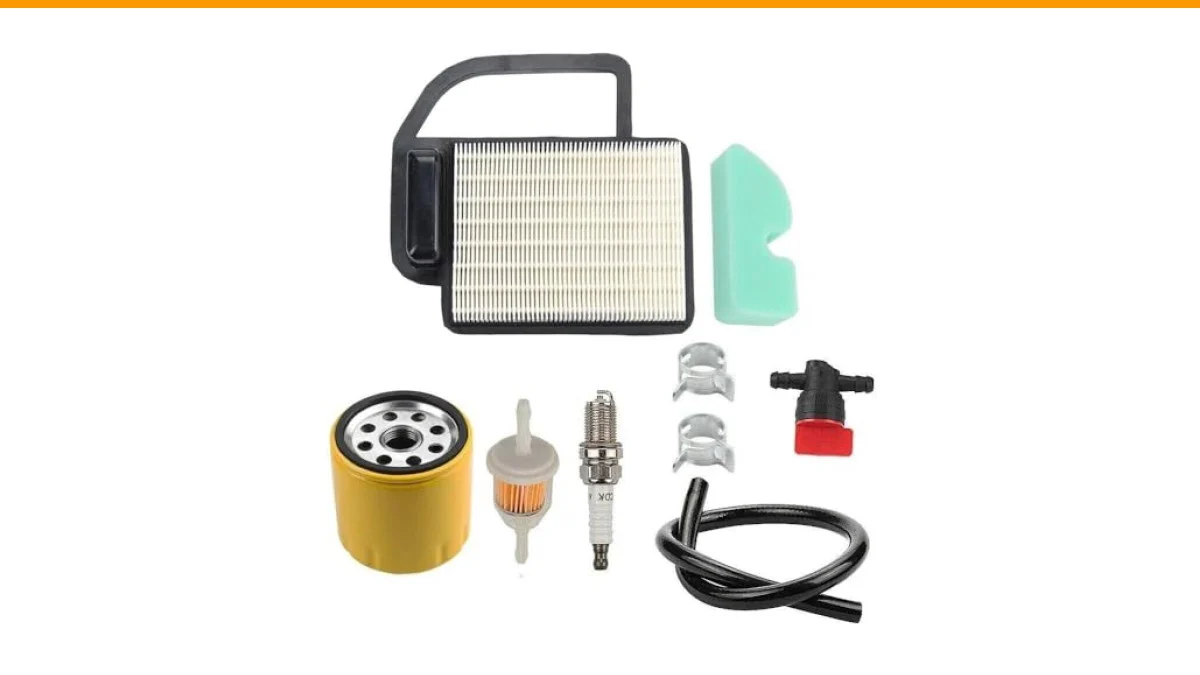
For filter Oil Filter Kit for Troy-Bilt 13BX60TG766 13AV60KG011 Lawn Tractor, oil filter for troy-bilt 13av60kg011, 13BX60TG766 maintenance kit, 13AV60KG011 tune-up parts, filter oil fuel kit
- For filter Oil Filter Kit for 13BX60TG766 13AV60KG011 Lawn Tractor, oil filter for 13av60kg011, 13BX60TG766 maintenance kit, 13AV6…
- Complete maintenance kit for 13BX60TG766 and 13AV60KG011 tractors combines all critical components in one package: pleated filter…
- Inline fuel filter and shut-off valve deliver controlled fuel flow and effortless winterization for models 13BX60TG766 and 13AV60K…
The MURNELAP Oil Filter Kit is an excellent resource for those with Troy-Bilt lawn tractors. This kit includes all necessary components for maintenance, ensuring peak performance during the mowing season.
1. Clean Your Mower Thoroughly
Start by cleaning your lawn mower. Grass clippings, dirt, and debris can accumulate over time and cause rust or damage. Here’s how to do it:
- Disconnect the Spark Plug: Safety first! Always disconnect the spark plug wire to prevent accidental starts while cleaning.
- Wash the Undercarriage: Use a hose to wash the mower deck. This will remove any grass clippings stuck underneath. A stiff brush can help dislodge stubborn debris.
- Clean the Exterior: Wipe down the exterior of the mower with a damp cloth. For tough stains, a small amount of soap can be used.
- Dry Completely: Before storing, ensure the mower is completely dry to avoid rust formation.
2. Change the Oil and Replace the Filter
Old oil can contain impurities that damage your mower’s engine. Follow these steps to change it:
- Drain Old Oil: Use an oil extraction pump or remove the drain plug to let the oil flow out into a container.
- Replace the Oil Filter: If your mower has an oil filter, replace it according to the manufacturer’s instructions. The MURNELAP Oil Filter Kit is ideal for specific Troy-Bilt models.
- Add Fresh Oil: Refer to your owner’s manual for the correct oil type and amount. Use a funnel to avoid spills.
3. Service the Air Filter and Spark Plug
A clogged air filter can hinder engine performance. Here’s how to maintain these components:
- Inspect the Air Filter: Remove the air filter and check for dirt and debris. Clean it if it’s foam or replace it if it’s paper.
- Examine the Spark Plug: Remove the spark plug and inspect it for wear and carbon buildup. Replace it if necessary. The MURNELAP kit includes a pre-gapped spark plug for easy installation.
4. Stabilize the Fuel System
Fuel can deteriorate and cause starting issues in the spring. Here’s how to prepare your fuel system:
- Use Fuel Stabilizer: Add a fuel stabilizer to your mower’s gas tank. This keeps the fuel fresh during winter months.
- Run the Engine: Start the mower and let it run for 10-15 minutes to circulate the stabilizer through the fuel system.
- Empty the Tank (Optional): If you prefer, you can drain the fuel tank completely. This helps prevent gumming in the carburetor.
5. Store Your Mower Properly
Where and how you store your mower can impact its longevity. Follow these steps:
- Choose a Dry Location: Store your mower in a dry, sheltered area to protect it from moisture and cold. A shed or garage works best.
- Elevate the Mower: Consider using a mower lift or placing it on blocks to prevent flat spots on the tires.
- Cover the Mower: Use a breathable cover to protect it from dust and dirt while allowing moisture to escape.
Winterization Comparison Table
| Task | Tools Needed | Frequency | Comments |
|---|---|---|---|
| Clean Mower | Hose, brushes | Yearly | Improves longevity |
| Change Oil | Oil, filter, wrench | Yearly | Prevents engine damage |
| Inspect Air Filter | Replacement filter | Yearly | Enhances performance |
| Stabilize Fuel | Fuel stabilizer | Yearly | Prevents gumming |
| Store Properly | Cover, blocks | Yearly | Protects from elements |
FAQs About Winterizing Your Lawn Mower
How often should I winterize my lawn mower?
Winterization should occur once a year, ideally before the first frost. This ensures your mower is ready for storage.
Can I leave fuel in my mower over winter?
Leaving fuel in your mower can lead to gumming and starting issues. Use a fuel stabilizer, or consider draining the tank.
Do I need to change the oil every year?
Yes, changing the oil yearly helps maintain engine health. Old oil can contain dirt and impurities that wear down engine components.
What happens if I don’t winterize my mower?
Failing to winterize can lead to engine damage, starting issues, and overall poor mower performance in the spring.
Is it necessary to replace the spark plug annually?
While not always necessary, checking and replacing the spark plug yearly is a good practice to ensure reliable starts.
Final Thoughts on Winterizing Your Lawn Mower
- Clean the mower thoroughly to avoid rust.
- Change the oil and filter to protect the engine.
- Inspect and service the air filter and spark plug.
- Add fuel stabilizer to keep fuel fresh.
- Store in a dry, sheltered location and use a cover.
- Consider the MURNELAP maintenance kit for Troy-Bilt models.
- Regular maintenance saves time and money in the long run.


