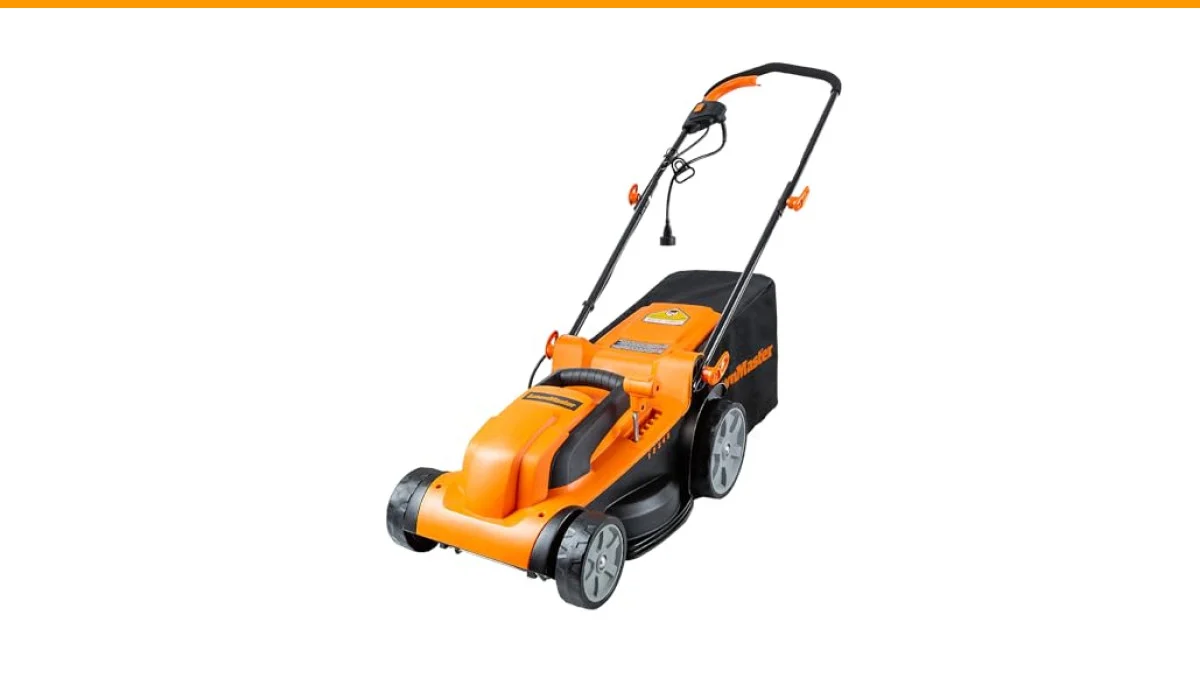
Imagine it’s a warm Saturday afternoon. You step outside, ready to tackle your lawn, only to be met with the daunting task of pushing a heavy mower across uneven terrain. It can be exhausting and time-consuming. Self-propelled lawn mowers offer a solution, easing the burden of yard maintenance. With their innovative design, these mowers make it easier to achieve a well-manicured lawn without the physical strain associated with traditional push mowers.
This article will guide you through the mechanics of self-propelled lawn mowers, including how they work, the different types available, and important factors to consider when purchasing one. By the end, you’ll have a solid understanding of self-propelled mowers and how to choose the best one for your lawn care needs.
Additionally, if you want to see some options for self-propelled mowers that might suit your needs, check out this Home Depot review. It highlights various models tailored for different lawn sizes and terrains.
In this article
Understanding the Mechanics of Self-Propelled Lawn Mowers
Self-propelled lawn mowers utilize a drive system that assists with forward motion, allowing the user to focus on steering rather than exerting energy to push the mower. Here’s how they work:
- Drive System: Most self-propelled mowers feature either a front-wheel drive (FWD) or rear-wheel drive (RWD) system. FWD mowers are easier to maneuver, especially on flat ground, while RWD mowers provide better traction on hilly terrain.
- Transmission: These mowers often come with a variable speed transmission, which allows the operator to adjust the speed according to their walking pace. Some models even feature cruise control settings for a consistent speed.
- Power Source: Self-propelled mowers can be gas-powered or electric. Gas models generally offer more power and longer run times, while electric (including battery-powered) models tend to be quieter and more environmentally friendly.
Types of Self-Propelled Lawn Mowers
When considering a self-propelled lawn mower, it’s important to choose the type that best fits your needs. Here are the main options:
- Gas-Powered Mowers: These mowers are typically more powerful and better suited for larger lawns. They can handle tough grass and uneven terrain effectively.
- Electric Mowers: Electric self-propelled mowers are quieter and require less maintenance than gas mowers. They are ideal for small to medium-sized yards and typically come in corded or battery-operated models.
- Robotic Mowers: These advanced mowers navigate your lawn autonomously. They require an initial setup and boundary wire installation but can save time and effort in the long run.
Key Considerations When Choosing a Self-Propelled Mower
Selecting the right self-propelled lawn mower involves more than just choosing the brand. Here are some factors to keep in mind:
- Lawn Size: For small yards, a lightweight electric mower may suffice. Larger lawns can benefit from gas-powered models.
- Terrain: If your yard has steep inclines, consider a rear-wheel drive mower for better traction.
- Features: Look for features such as adjustable cutting heights, grass bagging systems, or mulching capabilities, depending on your lawn care preferences.
- Budget: Prices vary widely. Set a budget and compare features within your range to find the best value.
| Type | Power Source | Best For | Pros | Cons |
|---|---|---|---|---|
| Gas-Powered | Gas | Large lawns | More powerful, longer run time | Heavier, requires maintenance |
| Electric | Electric | Small to medium lawns | Quieter, less maintenance | Limited run time, less power |
| Robotic | Electric | Any size lawn | Automated, saves time | Initial setup required, higher price |
How does a self-propelled lawn mower work?
A self-propelled lawn mower works by using a drive system that engages the wheels when the user walks behind it. The operator sets the speed, and the mower moves forward, reducing the effort needed to push it.
What are the advantages of self-propelled mowers?
Self-propelled mowers reduce physical strain, maintain a consistent pace, and often come with features like adjustable speeds and cutting heights, making lawn care more efficient.
Are self-propelled mowers more expensive?
Generally, self-propelled mowers cost more than traditional push mowers. However, their ease of use and efficiency can justify the higher price for many homeowners.
Can self-propelled mowers handle hills?
Yes, self-propelled mowers can handle hills, especially rear-wheel drive models that provide better traction. It’s essential to choose a mower designed for your specific terrain.
What maintenance do self-propelled mowers require?
Maintenance includes regular oil changes (for gas mowers), cleaning the blades, checking the air filter, and ensuring the wheels and drive system function properly. Electric models require less frequent maintenance.
Final Thoughts on Self-Propelled Lawn Mowers
- Choose a mower based on your lawn size and terrain.
- Consider the power source: gas or electric.
- Look for features that suit your lawn care style.
- Set a budget and compare models within that range.
- Regular maintenance is crucial for optimal performance.
- Test drive mowers at local stores to find the right fit.
- Research models and read reviews before purchasing.
For further insights, check out this guide on Lowe’s self-propelled mowers to see additional options tailored to your needs.