
How to Operate a Riding Lawn Mower: A Step-by-Step Guide
Contents
Picture a warm Saturday morning. The sun shines brightly as you step into your backyard, ready to tackle the grass that has grown unruly. You’ve got a riding lawn mower at your disposal, but operating it can seem a bit intimidating if you’ve never done it before. Don’t worry! This guide will walk you through the entire process, ensuring you’re confident and ready to mow.
In this article, you’ll learn not just how to start and operate a riding lawn mower but also how to maintain it for longevity. We’ll cover the essential safety precautions, discuss features of models like the Husqvarna TS 120, and provide answers to common questions. By the end, you’ll be equipped with the knowledge to handle your mower like a pro.
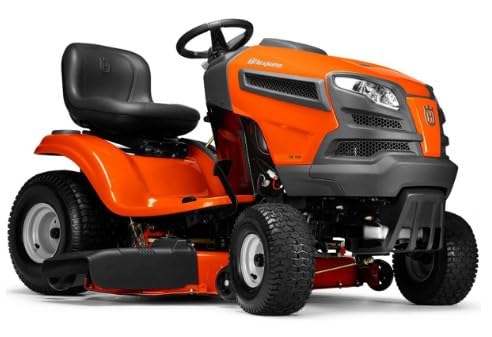
Husqvarna
Husqvarna TS 120 (42") 19HP Briggs Lawn Tractor 970846301
- Briggs & Stratton 19 HP 540cc Engine
- Pedal-Operated Transmission: Keep both hands on the wheel for more control
- 42-Inch Twin Blade Stamped Mower Deck
The Husqvarna TS 120 is a solid choice, featuring a Briggs & Stratton 19 HP engine and a pedal-operated transmission for enhanced control. Its 42-inch twin blade stamped mower deck makes tackling larger lawns efficient and straightforward.

Understanding Your Riding Lawn Mower
Before you jump into operating your riding lawn mower, familiarize yourself with its components. Here are the key parts you should know:
- Throttle Control: Adjusts the engine speed.
- Brake Pedal: Slows down or stops the mower.
- Clutch Pedal: Engages or disengages the mower blades.
- Steering Wheel: Directs the mower.
- Deck Lift Lever: Raises and lowers the mower deck.
Knowing these parts will make the operating process smoother.
Step-by-Step Instructions to Operate a Riding Lawn Mower
- Preparation: Ensure the mower is on level ground. Check the fuel level and fill it if necessary. Inspect the blades for damage and ensure they’re sharp.
- Adjust the Seat: Position the seat for comfort and accessibility. You should be able to reach the pedals comfortably.
- Start the Engine: Turn the key or push the start button. If it doesn’t start immediately, check that the parking brake is engaged.
- Engage the Blades: Press the clutch pedal and engage the blade control switch. Make sure the throttle is set to a medium speed.
- Drive Forward: Release the brake and gently push the forward pedal. Use the steering wheel to navigate.
- Mow: Move in straight lines, overlapping slightly with each pass to ensure even cutting.
- Stop the Mower: When finished, disengage the blades, press the brake pedal, and turn off the engine.
Pro tip: Start mowing in a pattern that allows you to finish moving in a circle so you can easily exit the area.
Maintenance Tips for Longevity
Regular maintenance can extend the life of your riding lawn mower. Here are some essential tasks:
- Clean the Deck: After each use, remove grass clippings and debris from the underside of the mower deck.
- Change the Oil: Every 50 hours of operation, change the oil and replace the filter.
- Sharpen the Blades: Check the blades regularly and sharpen them at least once a season.
- Inspect Tires: Ensure the tires are inflated to the manufacturer’s specifications.
- Battery Maintenance: Clean the terminals and ensure the battery is charged.
These tasks will keep your mower running efficiently and save you from costly repairs down the line.
Comparison of Riding Lawn Mowers
| Model | Engine Power | Deck Size | Transmission Type |
|---|---|---|---|
| Husqvarna TS 120 | 19 HP | 42 inches | Pedal-Operated |
| John Deere D125 | 20 HP | 42 inches | Automatic |
| Troy-Bilt TB30R | 15 HP | 30 inches | Automatic |
| Craftsman T225 | 19 HP | 42 inches | Automatic |
Common Questions About Operating a Riding Lawn Mower
1. What safety precautions should I take?
Always wear closed-toe shoes, avoid loose clothing, and keep children and pets away from the mowing area.
2. How fast can I drive a riding lawn mower?
Most riding lawn mowers operate safely at speeds of 4-5 mph. Always consult your user manual for specific speed recommendations.
3. Can I mow wet grass?
It’s not ideal to mow wet grass as it can clog the mower deck and lead to uneven cutting. Wait until the grass is dry.
4. How often should I mow?
Typically, mowing every 1-2 weeks is recommended, depending on the grass type and growth rate.
5. What should I do if the mower won’t start?
Check the fuel level, ensure the battery is charged, and verify that the parking brake is engaged.
Final Observations on Mowing
- Familiarize yourself with your mower’s controls for smoother operation.
- Always perform safety checks before starting your mower.
- Keep your mowing pattern consistent for an even cut.
- Regular maintenance ensures your mower stays in top condition.
- Don’t rush; take your time to avoid mistakes.
- Consider the terrain; adjust your speed and technique accordingly.
- Check the owner’s manual for specific maintenance guidelines.
With these insights, you’re ready to operate a riding lawn mower confidently. For further tips on selecting the right mower, visit this guide on riding lawn mowers.