
Establishing a new lawn can be an exciting project, whether you’re sprucing up your yard or starting from scratch. However, one of the most critical aspects of successfully growing grass from seed is understanding how often to water grass seed. Too little water can lead to dry, patchy areas, while too much can drown the seeds. Finding the right balance is key.
This article will provide detailed guidance on watering grass seed, including frequency, methods, and conditions affecting water needs. You’ll also learn about products that can help you achieve a well-watered lawn.

RYE GRASS SEED At The Neighborhood Corner Store
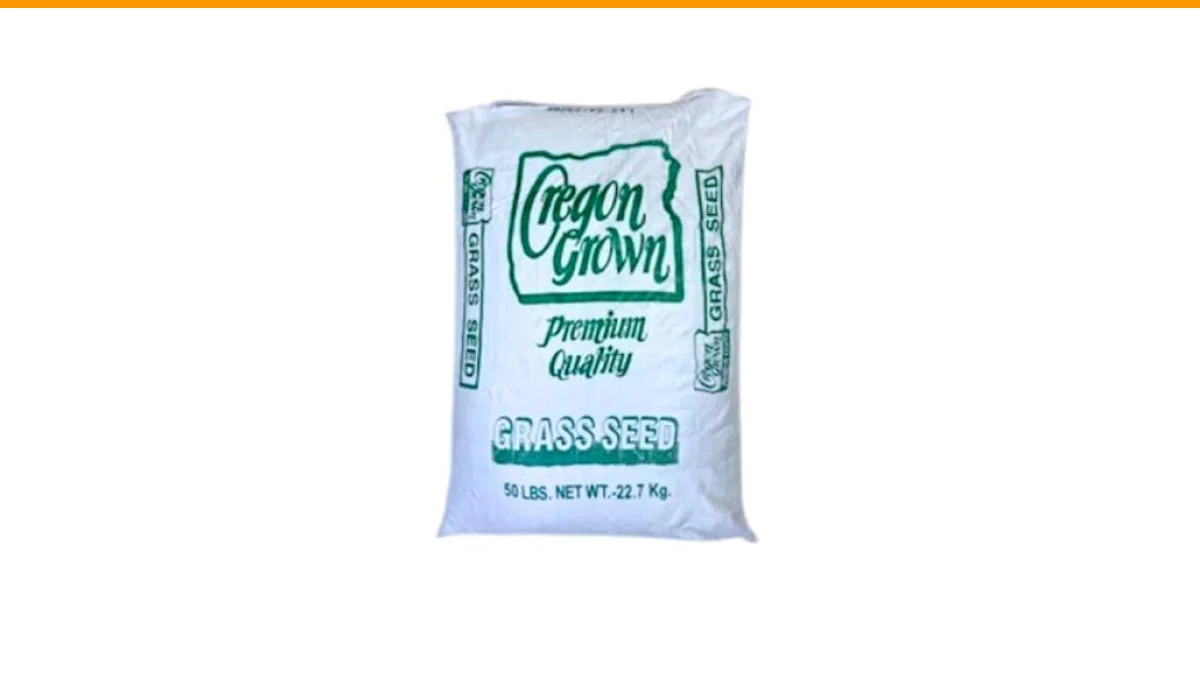
Grass Seed Premium RYE Gulf Annual Oregon Grown 50 LBS
- Annual
- Rye Grass Seed
- 50 lb
If you’re starting your lawn from seed, consider using RYE GRASS SEED At The Neighborhood Corner Store. This premium rye grass seed is suitable for various hardiness zones and can cover up to 10,000 square feet, making it a great choice for new lawns.
Understanding Grass Seed Watering Needs
Watering grass seed is not a one-size-fits-all endeavor. Several factors determine how often you should water grass seed:
- Type of Grass: Different types of grass have varying moisture requirements. Cool-season grasses like perennial ryegrass typically need more frequent watering than warm-season grasses.
- Climate: Hot, dry climates may require more frequent watering, while humid environments might need less.
- Soil Type: Sandy soils drain quickly and require more frequent watering, while clay soils retain moisture longer.
How Often Should You Water Grass Seed?
New grass seed requires consistent moisture for proper germination. Here’s a breakdown of watering frequency:
- First 2 Weeks: Water 2-3 times daily for 5-10 minutes each session, depending on the weather. The goal is to keep the top 1-2 inches of soil consistently moist.
- Weeks 3-4: Gradually reduce watering to once a day, allowing deeper penetration of water. Sessions can last 10-15 minutes, depending on conditions.
- After 4 Weeks: Transition to a regular watering schedule of 2-3 times a week. This helps establish a deep root system.
Keep in mind that during hot, windy, or dry periods, you may need to adjust the frequency to prevent the soil from drying out.
Effective Watering Methods
Choosing the right method to water grass seed can significantly influence its success:
| Watering Method | Advantages | Disadvantages |
|---|---|---|
| Hand Watering | Control over moisture levels | Time-consuming, especially for large areas |
| Sprinkler System | Efficient for larger lawns | Initial installation costs, potential overwatering |
| Soaker Hoses | Even moisture distribution | Less effective on sloped areas |
| Drip Irrigation | Water conservation, targeted application | Higher installation costs, requires planning |
Common Questions About Watering Grass Seed
1. Can I water grass seed too much?
Yes, overwatering can lead to seed rot and fungal diseases. Aim for consistent moisture without waterlogging the soil.
2. Is it better to water in the morning or evening?
Morning is generally better. Watering early allows the grass to absorb moisture before the heat of the day while reducing evaporation.
3. How can I tell if my grass seed is getting enough water?
A good indicator is the soil’s moisture level. Stick your finger into the soil; if it feels dry beyond the top inch, it’s time to water.
4. Should I water before or after a rain?
If rain is forecasted, water beforehand to ensure the soil is moist, as rain alone may not penetrate dry soil effectively.
5. What signs indicate my grass seed is not getting enough water?
Yellowing or browning grass and seed that fails to germinate are signs of inadequate moisture.
Practical Tips for Watering Grass Seed
- Adjust your watering schedule based on weather conditions.
- Use a rain gauge to monitor rainfall and adjust watering accordingly.
- Consider using a timer for automated watering to ensure consistency.
- Monitor grass growth and adjust watering as the lawn matures.
- Be cautious of overwatering, as soggy soil can lead to disease.


