
Every lawn care enthusiast knows the satisfaction of a freshly mowed lawn. But, what happens when your trusty lawn mower starts to show signs of wear? It can be tough to say goodbye to a machine that has served you well. Yet, understanding when to replace a lawn mower is crucial for maintaining your yard’s appearance and ensuring efficiency during mowing.
In this guide, you’ll learn the key indicators for replacing your lawn mower, how to evaluate its lifespan, and practical advice for extending its usability. You’ll also discover important factors to consider when making that replacement decision.
DECKMAN
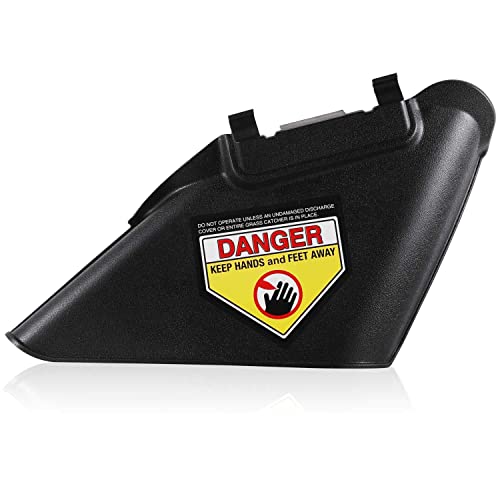
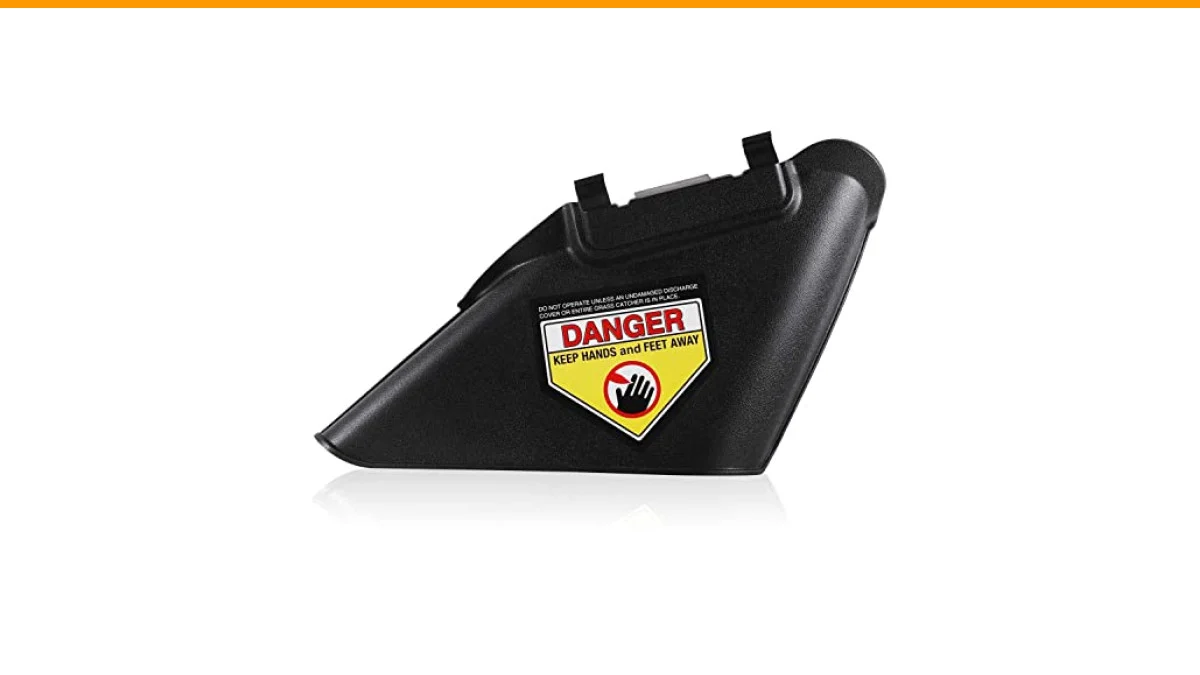
Lawn Mower 731-07486 Side Discharge Chute for Most 21" Hand Pushed Lawn Mower Compatible with Craftsman Columbia Huskee Troy Bilt Yard-Man MTD TB110, TB130, TB220, TB230 & 11A, 12A Series Mowers
- Replacement Part: 731-07486. The product does not come with the screw, please recycle the screws from the old part and reuse it wi…
- Compatible with Craftsman Columbia Huskee Troy Bilt Yard-Man MTD Brand. Please note: no Compatible with 12AEB2JA001 (2011), 12AVD3…
- Compatible with Model: 11A-A23N011, 11A-A23N066, 11A-A23O211, 11A-A23O711, 11A-A23O766, 11A-A26M011, 11A-A26M066, 11A-A26N211, 11A…
For those looking to keep their lawn mowers in optimal condition, consider the Lawn Mower 731-07486 Side Discharge Chute. This part is compatible with many popular brands and is designed to help maintain the efficiency of your mower, ensuring a clean cut every time.
How Long Do Lawn Mowers Last?
It’s common to wonder, “How often should I replace my lawn mower?” The answer largely depends on the type of mower you own and how well it’s maintained. Generally, here’s a breakdown:
- Gas-powered mowers: Typically last 8-10 years with proper care.
- Electric mowers: Can last 5-7 years, depending on usage.
- Robotic mowers: Generally have a lifespan of 5-10 years.
These figures can vary based on factors like usage frequency, maintenance practices, and the quality of the model purchased. For instance, a high-end gas mower maintained diligently may last longer than a budget electric mower that receives little care.
Signs Your Lawn Mower Needs Replacing
So, how do you know when it’s time to invest in a new mower? Look for these telltale signs:
- Frequent breakdowns: If your mower requires constant repairs, it may be more cost-effective to replace it.
- Inconsistent performance: Struggling to cut grass evenly or leaving patches uncut indicates a loss of power.
- Excessive smoke or noise: If your mower emits smoke or makes unusual sounds, it could signal significant internal damage.
- Age: If your mower is nearing the end of its expected lifespan, it’s worth considering a replacement.
Pay attention to these signs, as they can save you both time and money in the long run.
Maintenance Tips to Extend Your Mower’s Lifespan
Proper maintenance can drastically extend the life of your mower. Here are some key practices:
- Regular cleaning: Remove grass clippings and debris after each use to prevent rust and damage.
- Blade sharpening: Sharpen blades every season to ensure clean cuts and reduce strain on the engine.
- Oil changes: Change the oil at least once a season for gas mowers to keep the engine running smoothly.
- Fuel quality: Use fresh fuel and consider adding fuel stabilizer if storing your mower for an extended period.
Implementing these maintenance tips can delay the need for a new mower and keep you mowing efficiently.
Cost Considerations for Replacement
When pondering how often to replace a lawn mower, think about the financial aspect. Investing in a quality mower can seem daunting, but consider the following:
- Initial cost vs. longevity: A higher upfront cost may pay off with longer service life.
- Repair costs: If repairs exceed half the cost of a new mower, it’s time to replace.
- Fuel and maintenance efficiency: Newer models often use less fuel and require less frequent repairs.
Balancing these factors can help you decide when to replace your mower without breaking the bank.
| Type of Mower | Average Lifespan | Typical Replacement Signs | Maintenance Tips |
|---|---|---|---|
| Gas-powered | 8-10 years | Frequent repairs, poor performance | Change oil, sharpen blades |
| Electric | 5-7 years | Battery issues, inconsistent cutting | Keep battery charged, clean after use |
| Robotic | 5-10 years | Sensor failure, charging problems | Regular software updates, clean sensors |
What factors determine when to replace a lawn mower?
Factors include age, frequency of repairs, performance issues, and maintenance practices. If a mower frequently breaks down or fails to cut effectively, it’s likely time for a replacement.
Can I extend the life of my lawn mower?
Yes, regular maintenance such as cleaning, oil changes, and blade sharpening can significantly extend its lifespan.
How much should I expect to pay for a new lawn mower?
The cost varies widely, ranging from a few hundred dollars for basic models to several thousand for high-end or robotic mowers. It’s worth investing in a quality mower for long-term savings.
Is it better to repair or replace a lawn mower?
If repair costs exceed half the price of a new mower, consider replacing it, especially if the mower is older and nearing its lifespan.
How can I properly dispose of my old mower?
Check local regulations for disposal options. Many areas offer recycling programs for lawn equipment, or you may find a local shop that will take it for parts.
Final Thoughts on Lawn Mower Replacement
- Monitor the age and performance of your mower.
- Watch for signs of frequent breakdowns.
- Prioritize regular maintenance to extend lifespan.
- Consider cost-effectiveness when repairing versus replacing.
- Research new models to find one that fits your needs.
Knowing how often to replace a lawn mower can save you time and money. Regular maintenance and awareness of your mower’s condition are key to making an informed decision.



