
You carry that first flat of tomato seedlings up three flights of stairs, arrange the pots perfectly, and feel pretty good about yourself. Two weeks later, the leaves are pale, the stems are leggy, and the plants look like they’ve given up. What happened? Most likely, you guessed wrong about how much direct sun your rooftop actually gets. The sun moves differently up there than it does at ground level. No trees block the light, but parapet walls, HVAC units, and neighboring buildings cast shadows that shift throughout the day.
This guide walks you through figuring out your rooftop’s real sun exposure, choosing plants that fit those conditions, and managing the extreme heat that comes with high-altitude gardening. You’ll learn how to measure sunlight in your specific space, what the labels “full sun” and “partial shade” actually mean on a rooftop, and when to intervene with shade cloth. I’ve made most of the mistakes you’re about to avoid, so let’s get your rooftop producing instead of just surviving.

LOVE STORY
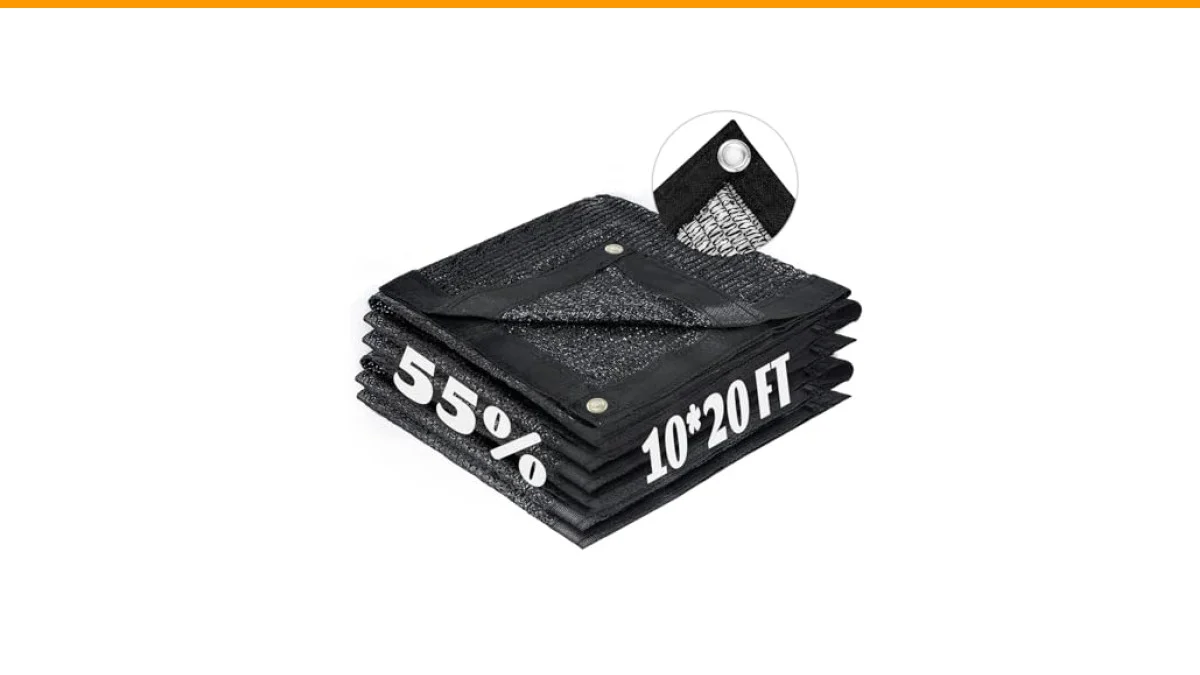
LOVE STORY Shade Cloth for Garden, 55% 10x20FT Sun Tarp, Black
- 【Shade Rate 55%】This shade netting has a shading rate of up to 55%, which is perfect for keeping the environment under shadow and…
- 【Easy to Use】Averaging 19.7 inches, the aluminum grommets are located along the reinforced edges. It is easy to hang up, catering…
- 【High Quality】Made of 100% high-density polyethylene fabric, this garden shade cloth is excellent for anti-aging and can last for…
One of the simplest fixes for the “too much sun” problem is a shade cloth. A product like the LOVE STORY shade cloth blocks 55% of sunlight, which can drop temperatures in your planting zone by several degrees. It’s a black, high-density polyethylene tarp with grommets every 19.7 inches, so you can hang it over a frame or between posts. You’ll still get plenty of light for leafy greens and herbs, but the plants won’t bake in the afternoon heat.
Measuring Sun Hours on a Rooftop: The 15-Minute Method
You need data, not guesses. The standard advice says “full sun means 6+ hours of direct sunlight.” But on a rooftop, that number depends on where exactly you place the pot. A spot that gets 8 hours in June might get only 4 in September because the sun’s angle drops.
Here’s the practical method I use. Pick a clear day, ideally in the middle of your growing season. Take a piece of paper and draw a grid of your rooftop, marking every planter spot, bench, and structure. Start at sunrise and check each zone every hour. Write down whether that spot gets direct sun, partial sun (dappled or blocked for part of the hour), or full shade. Do this until sunset. It takes one full day, but you’ll have a map that answers every future plant placement question.
You can also use a simple sun calculator app on your phone. They use GPS and compass data to show sun paths for any date. But apps don’t account for your neighbor’s new penthouse addition or that ductwork shadow. Physical observation is still the gold standard.
Pay attention to seasonal shifts. The sun is much higher in the sky in June than in September. A wall that blocks nothing in summer might cast a long shadow over half your garden in fall. If you garden year-round, you need two maps: one for summer, one for winter. Most people only need the summer one, but knowing the winter pattern helps you plan for cold frames or moving pots.
What “Full Sun” Really Means for Rooftop Containers
Full sun means 6 to 8 hours of direct sunlight, usually between 10 AM and 4 PM. But rooftop full sun hits harder than ground-level full sun. You’re closer to the sun’s rays with no tree canopy to filter UV light. Concrete and gravel reflect heat back up at the leaves. Black pots absorb heat and cook the roots.
So a tomato that thrives in a backyard vegetable patch might struggle on a rooftop in Phoenix, even with identical sun hours. The air temperature at leaf level can be 10-15 degrees hotter than the weather forecast says. Wind dries out the soil faster. All of this means you need to think about sun intensity, not just duration.
For most vegetables, morning sun is gentler and more valuable than afternoon sun. Morning light is cooler and helps plants photosynthesize without stressing them. Afternoon sun, especially after 2 PM, brings the most heat. If your rooftop only gets 4 hours of sun but it’s all morning sun, you can still grow lettuce, spinach, kale, and herbs. If those same 4 hours are from 1 PM to 5 PM, you’ll need to provide some afternoon shade or stick with heat-tolerant crops like okra and sweet potatoes.
You should also measure the light quality. A spot that gets 6 hours of direct sun but is next to a white wall will get extra reflected light. That’s a bonus for sun-loving plants. A spot next to a dark, heat-absorbing surface will get extra heat, which can be a problem. Use a thermometer to check the actual temperature at soil level in your pots on a hot afternoon. You’ll often find it’s 20 degrees hotter than the air temperature.
Managing Too Much Sun: Heat Stress and Shade Solutions
Too much sun is a real problem on rooftops, and the symptoms look different from underwatering. Leaves might get crispy brown edges, but the soil is still damp. Plants might bolt—meaning they flower and go to seed prematurely—especially lettuce, spinach, and cilantro. Tomatoes might develop sunscald, which shows up as pale, leathery patches on the fruit.
Your options are to choose heat-tolerant varieties, move pots, or create artificial shade. Moving pots works, but it’s heavy labor. A better long-term solution is a permanent or semi-permanent shade structure. You can build a simple PVC frame or attach hooks to a wall and drape shade cloth over it.
The LOVE STORY garden shade tarp is a practical choice here. The 55% shade rate is a good middle ground. It cuts the harshest light without plunging your plants into darkness. You can hang it horizontally above the plants, leaving a gap for air circulation, or drape it vertically against a south-facing wall to block late afternoon sun. The grommets make it easy to secure with zip ties or rope. One thing to note: it’s not perfectly opaque, so don’t expect total darkness. But for reducing heat stress on leafy greens, it works well.
When you set up shade, remember that plants still need some direct sun. Full shade for a tomato plant will reduce fruit production. I recommend using shade cloth only during the hottest part of the day, roughly 12 PM to 4 PM. You can set it up permanently at a slight angle so the morning sun hits the plants directly, and the afternoon sun is blocked. Or you can install it on a pulley system to pull it back when clouds roll in. That’s more work but gives you flexibility.
| Sun Exposure | Hours of Direct Sun | Best Plants | Rooftop Considerations | Shade Cloth Needed? |
|---|---|---|---|---|
| Full Sun | 6-8+ hours | Tomatoes, peppers, eggplant, basil, rosemary | High heat, rapid drying, risk of sunscald | Only for heat-sensitive varieties during peak summer |
| Partial Sun | 4-6 hours | Lettuce, kale, chard, carrots, beets | Morning sun is ideal; afternoon sun needs monitoring | Recommended for afternoon exposure in hot climates |
| Partial Shade | 2-4 hours | Spinach, arugula, mint, parsley, ferns | Cooler microclimate, but watch for wind drying | Rarely needed unless heat is extreme |
| Full Shade | Under 2 hours | Leafy greens (microgreens), mushrooms, some hostas | Very limited options for fruiting plants | Not beneficial; focus on low-light plants |
For a deeper look at how shade affects specific plant types, including succulents and bonsai, check out our guide on rooftop succulent care and bonsai sunlight needs. Both have different tolerances than your typical vegetable crop.
Wind, Reflection, and Other Rooftop Variables
Sunlight is the main event, but wind is the silent killer on rooftops. A constant breeze dries out soil and damages leaves. It also cools the air, which sounds good, but can stress plants that prefer still conditions. You’ll often see plants with torn leaves or stunted growth on windy rooftops, even when they get perfect sun.
Windbreaks are essential. You can use lattice panels, tall grasses in pots, or even a row of sturdy shrubs to create a sheltered microclimate. Position your most delicate plants behind these barriers. If you’re using a shade cloth, it will also act as a windbreak, which is a double benefit. Just make sure it’s secured tightly so it doesn’t flap and damage the plants.
Reflective surfaces are another variable. A rooftop with white membrane roofing reflects a lot of light upward. This increases the total light your plants receive, which can be great for fruiting crops but harmful for shade lovers. Conversely, a dark roof absorbs heat and radiates it out, warming the air around your plants at night. This can extend your growing season in cooler climates but makes summer heat worse.
You’ll need to adapt your watering schedule to match. Pots on a windy, sunny rooftop might need water twice a day in July. A pot in a shaded corner near a wall might only need water every other day. Stick your finger an inch into the soil. If it’s dry, water. Don’t rely on a fixed schedule. The sun requirements for your plants are a starting point, but the microclimate on your specific rooftop is the real boss.
Consider grouping pots together to create a canopy effect. When plants are close, their leaves shade each other and the soil. This reduces evaporation and keeps roots cooler. It also looks better than a lonely pot baking in the sun. Just make sure you don’t crowd them so much that air can’t circulate, which invites fungal diseases.
Seasonal Adjustments and Long-Term Planning
Your rooftop sun map from June won’t help you in October. As the sun’s angle drops, shadows get longer. A planter that basked in 7 hours of sun in July might only get 3 hours in October. This is why many rooftop gardeners shift to cold-hardy greens in fall—they need less sun and tolerate cooler temperatures.
Plan for this in spring. Put your sun-loving summer crops (tomatoes, peppers, eggplants) in the spots that get the most consistent sun from June through August. Reserve spots that get morning sun and afternoon shade for your fall crops like kale and broccoli, which prefer cooler conditions.
In winter, the sun is weak and low. Most rooftops in northern climates won’t support much growth without a greenhouse or grow lights. If you want to extend the season, you’ll need to think about supplemental lighting. For more on balancing natural and artificial light, read our piece on optimizing light for aquaponics. The principles apply to any rooftop setup.
If you’re planning a greenhouse or permanent shade structure, think about the orientation. A south-facing greenhouse captures the most winter sun. A shade structure should be positioned to block the western sun in summer, which is the hottest. Getting this right means you won’t have to rearrange pots every month.
Keep a garden journal. Write down the sun hours you measured, the temperatures, and how each plant performed. After one year, you’ll have a reliable playbook for your specific rooftop. That’s worth more than any generic advice I can give you.
Frequently Asked Questions About Rooftop Sunlight
Can I grow vegetables on a rooftop with only 4 hours of sun?
Yes, but choose the right crops. Stick with leafy greens like lettuce, spinach, and Swiss chard. Root vegetables like radishes and beets can also manage with 4 hours, though they might be smaller. Avoid tomatoes, peppers, and eggplant—they need more energy to produce fruit. If your 4 hours are in the morning, you’ll have better results than if they’re in the hot afternoon.
How do I know if my plants are getting too much sun?
Look for leaf curling inward, bleached or pale patches on leaves, and dry, crispy edges. The soil will dry out faster than you expect. If your plant is in a black pot, the roots might be overheating. Touch the soil—if it’s warm to the touch, the roots are stressed. Move the pot to a spot with afternoon shade or add a shade cloth.
What’s the difference between shade cloth percentages?
The percentage tells you how much sunlight is blocked. A 30% shade cloth blocks 30% of light, letting 70% through. A 55% cloth, like the LOVE STORY option, blocks more than half. For vegetables, you usually want 30-50% shade in hot climates. For delicate plants like ferns or certain ornamentals, 60-70% is better. Don’t buy the highest percentage thinking it’s better—it will starve your sun-loving plants of light.
Can I use regular fabric or a tarp instead of shade cloth?
You can, but it’s not ideal. A solid tarp blocks all light and traps heat underneath, creating a greenhouse effect that can cook your plants. It also prevents air circulation. Shade cloth is woven or knitted with tiny holes that allow air and some light through. If you’re in a pinch, an old white bedsheet works temporarily, but it will trap moisture and may cause mold. Spend the money on proper shade cloth.
Does the direction my rooftop faces matter?
Absolutely. A south-facing rooftop gets the most sun throughout the day. An east-facing rooftop gets morning sun, which is cooler and gentler. A west-facing rooftop gets intense afternoon sun, which is the harshest. A north-facing rooftop gets very little direct sun, suitable only for shade-loving plants. If you have a choice, place your vegetable garden on the south or east side of the building.
Putting This Knowledge to Work
- Spend one clear day mapping sun hours across your entire rooftop. Mark zones for full sun, partial sun, and full shade.
- Match your plants to the actual conditions. Don’t fight the sun—choose crops that thrive in what you have.
- Use a 55% shade cloth to protect leafy greens and cool-season crops from harsh afternoon sun in summer.
- Check soil moisture daily, especially in windy or hot spots. Pots dry out faster than ground soil.
- Group pots together to create a natural microclimate and reduce evaporation.
- Re-evaluate your sun map each season. The sun angle changes, and so will your plant placement.
- Keep notes on what works and what fails. Your rooftop has its own personality, and you’ll learn it faster with a record.
Rooftop gardening is a puzzle, but the pieces are measurable. Once you know your sun hours, your wind patterns, and your heat pockets, you can grow almost anything. The plants just need you to put them in the right spot.