
Many homeowners find themselves frustrated with their lawns, especially when dealing with clay soil. This type of soil can be dense and compact, making it challenging for grass roots to thrive. If you’ve ever tried to grow grass in a clay-heavy area, you may have noticed poor drainage, slow growth, and patchy areas. But don’t despair! There are effective strategies to transform your clay soil into a thriving environment for grass.
This article will guide you through practical steps to improve clay soil for grass, covering soil amendments, aeration, and maintenance tips. You’ll also learn about products that can help, such as the Farmer’s Secret Soil Revitalizer, an organic solution that boosts microbial activity and enhances soil health.

Farmer's Secret
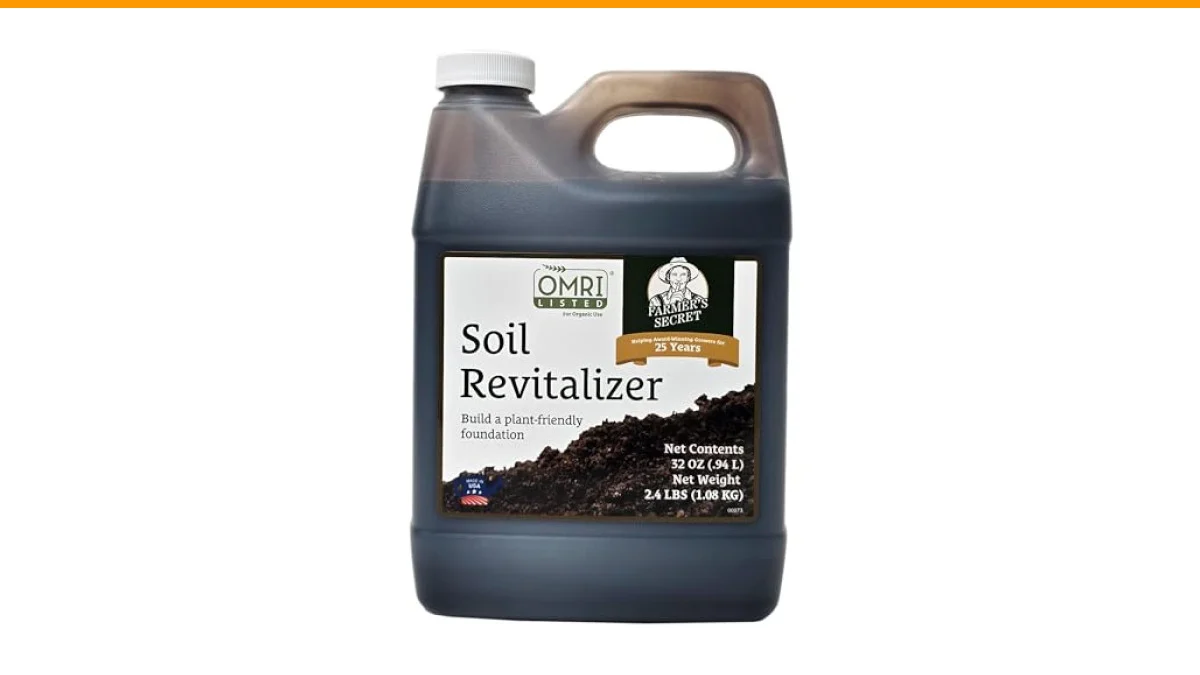
Farmer’s Secret Soil Revitalizer - Organic (OMRI Listed) Dirt Health Booster - Liquid Compost Soil Amendment - Activated Humic Acid - Great for Fall/Spring Application (32oz)
- Feed the soil not the plants - stimulate microbial activity in your soil and boost probability of success with all types of plants…
- For best results, apply monthly throughout the growing season, especially in the fall and spring
- No synthetic chemicals - main ingredient in this product is activated humics derived from organic sources (OMRI certified organic)
Improving clay soil doesn’t happen overnight, but with patience and the right methods, you can create a lush, green lawn that you’ll be proud of.
This revitalizer is specifically designed to feed the soil rather than just the plants. It stimulates microbial activity, helping to create a healthier soil ecosystem. For best results, apply it monthly during the growing season. The product is OMRI certified organic and is easy to use—just dilute it at a ratio of 1 ounce to 1 gallon of water.
Understanding Clay Soil
Before improving clay soil for grass, it helps to understand its characteristics. Clay soil is made up of tiny particles that are tightly packed together. This compactness leads to poor drainage and aeration, which can suffocate grass roots. Additionally, clay soil often retains moisture, leading to waterlogged conditions that can hinder grass growth.
Many people mistakenly believe that adding sand to clay soil will improve its drainage. While this may seem logical, the reality is that mixing sand with clay can create a cement-like substance that further complicates the soil structure. Instead, consider methods that enhance the soil’s natural properties.
Soil Amendments for Clay Soil
Amending clay soil is crucial for improving its structure and fertility. Here are effective amendments:
- Organic Matter: Adding compost, well-rotted manure, or leaf mold increases soil aeration and drainage while also providing nutrients. Aim for a 2-4 inch layer, mixed into the top 6-12 inches of soil.
- Gypsum: This mineral helps to break up compacted clay, improving drainage without altering soil pH. Apply about 40 pounds per 1,000 square feet, mixing it into the top layer.
- Activated Humic Acid: Products like the Farmer’s Secret Soil Revitalizer contain activated humic acid that enhances nutrient availability and microbial activity. Regular applications can significantly improve soil health.
Aeration Techniques
Aeration is another vital step in improving clay soil for grass. It involves perforating the soil with holes to allow air, water, and nutrients to penetrate deeper. There are two main methods:
- Core Aeration: This involves removing small plugs of soil from the lawn, creating spaces for air and water to reach grass roots. It’s most effective during the growing season when grass is actively growing.
- Puncture Aeration: This method uses spikes to create holes in the soil. While it can help, it’s generally less effective than core aeration.
After aerating, apply a layer of compost or other amendments to help fill the holes and improve soil structure.
Watering Practices
Proper watering is essential for healthy grass in clay soil. Clay can hold moisture, but it also can become waterlogged. To avoid this, follow these guidelines:
- Water deeply but infrequently. Aim for about 1 inch of water per week, either from rainfall or irrigation.
- Water early in the morning to minimize evaporation losses and fungal diseases.
- Monitor soil moisture. Use a moisture meter to determine when to water, ensuring you don’t overwater.
Implementing these practices will encourage grass roots to grow deeper, improving drought resistance.
| Method | Description | Frequency |
|---|---|---|
| Core Aeration | Removes plugs from soil to enhance air and water penetration. | Once or twice a year |
| Puncture Aeration | Creates holes in soil but less effective than core aeration. | As needed |
| Compost Addition | Improves soil structure and fertility when mixed into soil. | Annually |
| Gypsum Application | Breaks up compacted clay for better drainage. | Every 1-2 years |
| Farmer’s Secret Revitalizer | Organic liquid amendment that stimulates microbial activity. | Monthly during growing season |
How often should I aerate my clay soil?
Aerating once or twice a year is generally sufficient. However, if your lawn experiences heavy foot traffic or shows signs of compaction, consider aerating more frequently.
Can I plant grass seed directly into clay soil?
While you can plant grass seed in clay soil, it’s advisable to amend the soil first. This increases the chances of successful germination and growth.
What type of grass is best for clay soil?
Grasses that thrive in clay soil include tall fescue, Kentucky bluegrass, and perennial ryegrass. These varieties have deeper root systems that can handle moisture fluctuations better.
Does adding sand help clay soil?
Adding sand alone to clay soil is not effective and can create a cement-like mix. Instead, focus on organic amendments and gypsum.
How long does it take to improve clay soil?
Improving clay soil is a gradual process. With regular amendments and proper care, you can see significant improvements in soil structure and grass health within one growing season.
Actionable Steps for Improved Grass
- Test soil pH and nutrient levels before starting.
- Add organic matter like compost or well-rotted manure.
- Apply gypsum to break up compacted clay.
- Aerate the soil once or twice a year.
- Water deeply and monitor moisture levels.
- Consider using the Farmer’s Secret Soil Revitalizer monthly.
- Choose grass varieties suitable for clay soil.
Improving clay soil for grass takes time and effort, but the rewards are worth it. With the right techniques and products, you can cultivate a vibrant lawn that stands up to the challenges of clay soil.



