
Many homeowners take pride in their lawns, envisioning a lush, green carpet of grass. However, clover can often invade this vision, spreading quickly and taking over areas where grass struggles to thrive. This hardy weed not only disrupts the uniformity of your lawn but can also attract unwanted pests and create competition for nutrients. If clover is taking over your yard, you’re not alone. In this article, we’ll cover practical, effective strategies for how to get rid of clover in a lawn, allowing you to restore your grassy oasis.
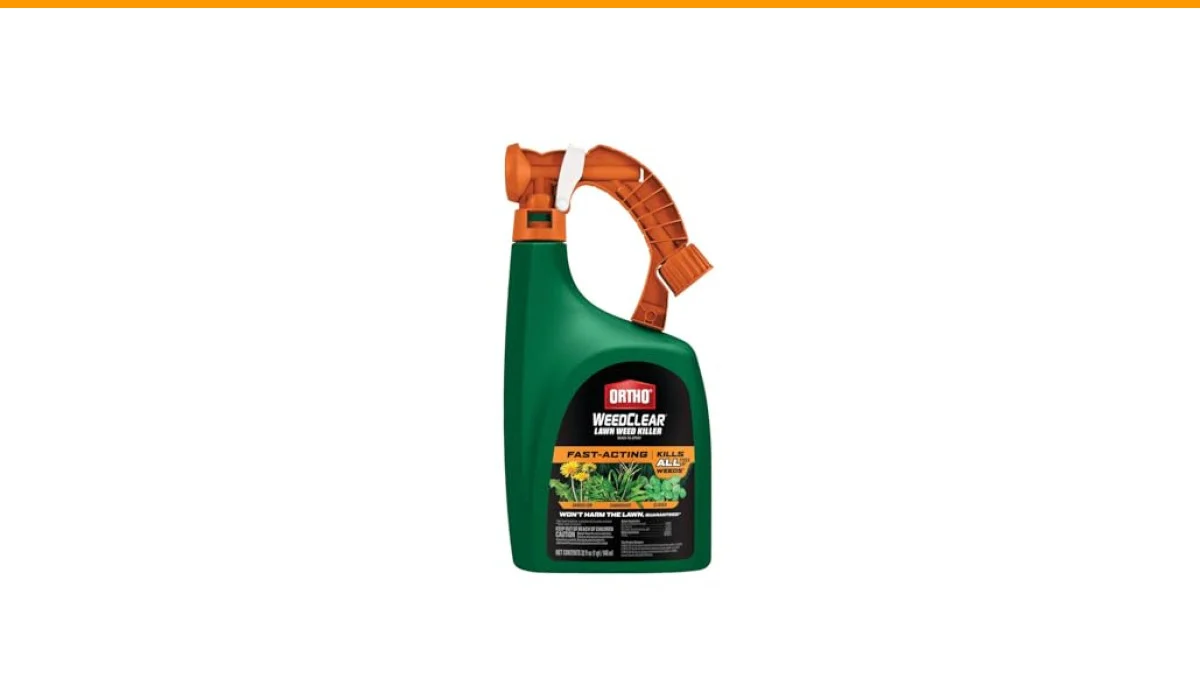
You’ll learn about various methods such as manual removal, natural remedies, and chemical solutions. One such product that can assist in this endeavor is Ortho WeedClear Lawn Weed Killer Ready-to-Spray. This effective weed killer targets clover and other common lawn weeds, providing fast-acting control with a simple hose-end application. Its ease of use makes it a viable option when manual methods fall short.

Ortho
Ortho WeedClear Lawn Weed Killer Ready-to-Spray, 32 fl. oz. | Weed Killer Spray for Lawns, Kills Crabgrass, Dandelion and Clover, Hose-End Application, Covers 5,000 sq. ft.
- WEED KILLER SPRAY FOR LAWNS: With a simple hose-end application, kill weeds in your lawn, including dandelions, chickweed, clover,…
- FAST-ACTING WEED CONTROL: This weed killer hose sprayer kills listed weeds like crabgrass, dandelion, clover, chickweed and creepi…
- COVERAGE: This 32 fl. oz. container of Ortho WeedClear Lawn Weed Killer Ready-to-Spray provides up to 5,000 sq. ft. of lawn care
Understanding Clover in Lawns
Clover is a common perennial weed known for its trifoliate leaves and ability to thrive in various conditions. It often appears in lawns that suffer from poor soil quality, inadequate sunlight, or overwatering. Clover can fix nitrogen in the soil, which may seem beneficial, but it often outcompetes grass for essential nutrients and space. A healthy lawn can typically resist clover growth, but when conditions are favorable for clover, it can quickly take over.
Identifying the type of clover in your lawn can help inform your removal strategy. The most prevalent types include white clover and red clover. White clover tends to remain low to the ground, while red clover may grow taller with a more pronounced flower. Both types require similar management techniques.
Manual Removal Techniques
For small infestations, manual removal can be an effective strategy. This approach is labor-intensive but avoids the use of chemicals. Follow these steps for successful manual removal:
- Water the Lawn: Watering the area the day before makes the soil easier to work with.
- Use a Weeding Tool: Utilize a weeding fork or a hand trowel to dig out the clover roots. Ensure you remove the entire root system to prevent regrowth.
- Fill the Holes: After removing the clover, fill the holes with soil and reseed with grass seed suitable for your lawn type.
- Keep an Eye on Regrowth: Monitor the area for any signs of regrowth and remove any new clover plants promptly.
Manual removal works best when the clover is young and actively growing. This method is environmentally friendly, but it may not be practical for larger infestations.
Natural Remedies
For those looking for less labor-intensive options, several natural remedies can help control clover without harsh chemicals. Here are some effective methods:
- Vinegar: A solution of 20% acetic acid vinegar can be sprayed directly on clover. This method works best on sunny days and may take several applications.
- Baking Soda: Sprinkling baking soda on clover patches will dehydrate the leaves, leading to death. Be cautious, as it can also affect surrounding grass.
- Boiling Water: Pouring boiling water directly onto clover can kill it instantly. This method is effective but can also harm surrounding plants.
- Mulching: Applying a thick layer of mulch can suppress clover growth by blocking sunlight and preventing seed germination.
Natural remedies are often safer for pets and children, making them an appealing choice for family-oriented households.
Chemical Solutions
When manual and natural methods prove ineffective, chemical solutions may be necessary. Products like the Ortho WeedClear Lawn Weed Killer Ready-to-Spray offer quick results. This herbicide targets clover while being safe for many common grass types, including Bermudagrass and Kentucky Bluegrass. Here’s how to use it effectively:
- Timing: Apply the weed killer during the clover’s active growth stage, typically in spring or early fall.
- Weather Conditions: Choose a dry day with no rain expected for at least 24 hours to ensure effective absorption.
- Follow Instructions: Follow the manufacturer’s instructions carefully for application rates and coverage.
- Reapply as Needed: Some stubborn clover may require a second application after a few weeks.
Chemical solutions can be very effective but should be used judiciously to avoid harming beneficial plants and the environment.
| Method | Effectiveness | Time Required | Safety |
|---|---|---|---|
| Manual Removal | High (if thorough) | High (labor-intensive) | Very Safe |
| Natural Remedies | Moderate | Moderate | Generally Safe |
| Chemical Solutions | High | Low | Varies (follow safety guidelines) |
What is the best time to remove clover from my lawn?
The best time to remove clover is during its active growth phase in spring or early fall when it is young and vulnerable.
Can I prevent clover from growing in the future?
Maintaining a healthy lawn is key. Regular mowing, proper watering, and soil aeration can help prevent clover from taking hold.
Is clover bad for my lawn?
Clover can compete with grass for nutrients and moisture. However, it also fixes nitrogen, which can benefit soil health.
How long does it take for chemical treatments to work?
Most chemical treatments show results within 24 to 48 hours, but complete control may take several weeks, especially for established clover.
Can I mix different methods for better results?
Yes, combining methods can be effective. For instance, manual removal followed by a chemical treatment can yield excellent results.
Final Thoughts on Clover Control
- Identify the type of clover in your lawn for targeted control.
- Consider manual removal for small patches, especially when the soil is moist.
- Use natural remedies as a safer alternative to chemicals.
- Choose a reliable chemical solution like Ortho WeedClear for larger infestations.
- Maintain overall lawn health to prevent clover from returning.
- Monitor your lawn regularly for early signs of clover growth.
- Be patient; effective clover control may take multiple approaches and some time.



