
How to Fix Yellow Grass: The Ultimate Guide
Contents
Understanding the Causes of Yellow Grass
Yellow grass is a common issue for many homeowners. It can be frustrating to watch your once-lush lawn transform into an unsightly patch of yellow. Several factors contribute to this problem, including nutrient deficiencies, improper watering, lawn diseases, and pest infestations. Understanding the root cause is essential for effective treatment.
For example, a nitrogen deficiency often leads to yellowing, particularly in the older leaves of the grass. Conversely, overwatering can suffocate roots and create yellow patches as well. Identifying the precise issue allows you to take targeted action.
Another common misconception is that yellow grass is solely a result of poor maintenance. Environmental factors like extreme heat or drought can also play a significant role. Knowing these causes helps in developing a comprehensive plan to restore your lawn.
Common Misconceptions About Lawn Care
Many people believe that frequent mowing is the key to a healthy lawn. However, cutting grass too short can stress it, leading to yellowing. Grass should generally be kept at a height of 2.5 to 4 inches. This height allows for deeper root systems and better moisture retention.
Another myth is that all lawns require the same treatment regimen. Different grass types have unique needs. For instance, cool-season grasses thrive in temperatures between 60°F and 75°F, while warm-season varieties prefer 80°F to 95°F. Understanding your specific grass type is crucial for proper care.
Effective Solutions for Yellow Grass
To effectively address yellow grass, follow these steps:
- Test Your Soil: Use a soil test kit to determine pH and nutrient levels. A pH of 6.0 to 7.0 is generally ideal for most grass types.
- Adjust Your Watering: Grass typically needs about 1 to 1.5 inches of water per week. Water deeply and less frequently to encourage deeper root growth.
- Fertilize When Necessary: Apply a balanced fertilizer to address nutrient deficiencies. A nitrogen-rich fertilizer works well to encourage green growth.
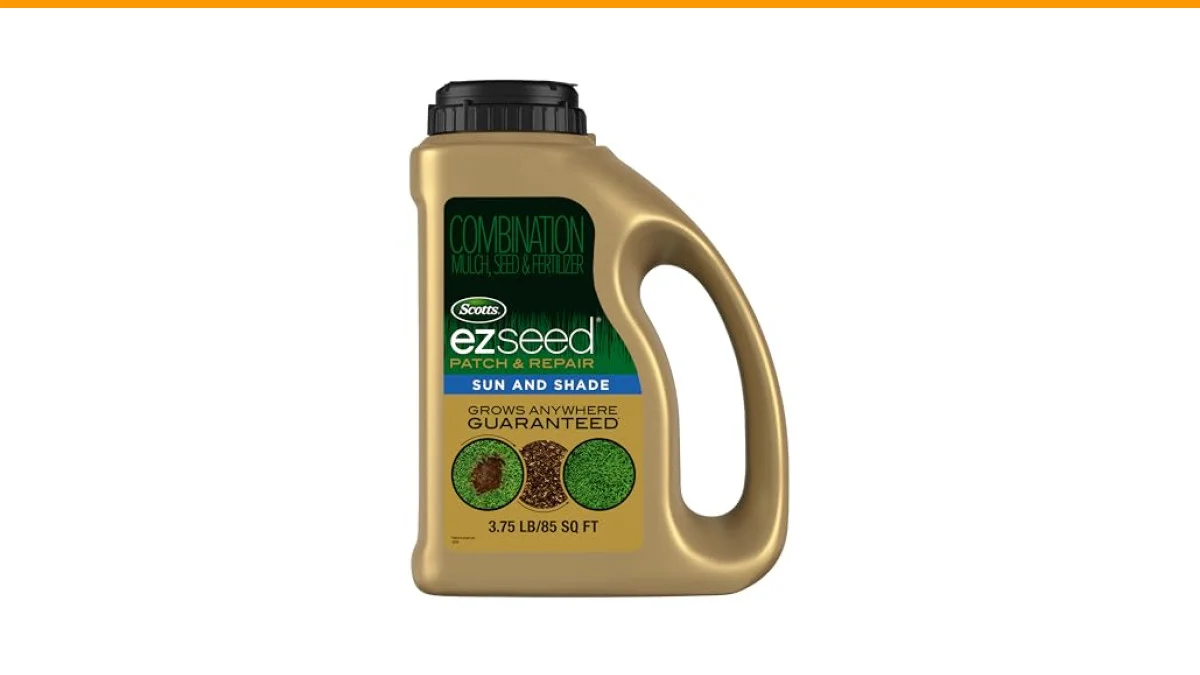
- Reseed Bare Spots: For areas that remain yellow or bare, reseeding can help. Using a product like Scotts EZ Seed Patch & Repair for Sun and Shade is a practical choice. It contains a mix of grass seeds and mulch, ensuring good growth in diverse conditions.
Comparative Methods for Lawn Care
| Method | Pros | Cons |
|---|---|---|
| Soil Testing | Identifies nutrient deficiencies | Can be time-consuming |
| Watering Deeply | Encourages deep roots | Risk of overwatering if not monitored |
| Fertilization | Boosts nutrient levels | Over-fertilizing can harm grass |
| Reseeding | Repairs bare patches | Takes time to establish new growth |
Why Is My Grass Turning Yellow?
Grass can turn yellow for various reasons, including insufficient nutrients, pests, diseases, or environmental stress. Checking for these issues can help you diagnose the problem effectively.
How Can I Tell If My Grass Needs Water?
Look for signs like a dull color, footprints that remain visible, or leaf blades that fold in half. These indicate your grass may need watering.
What Type of Fertilizer Should I Use?
A balanced fertilizer with a nitrogen-phosphorus-potassium (N-P-K) ratio suitable for your grass type is ideal. Check the package for specifics based on your soil test results.
Can I Fix Yellow Grass in One Season?
Fixing yellow grass typically takes time, depending on the cause and the extent of the damage. With consistent care, noticeable improvements can occur within a season.
Is Overseeding Necessary?
Overseeding can rejuvenate your lawn, particularly if yellow patches are widespread. It promotes new growth and improves overall lawn health.
Actionable Steps for a Healthier Lawn
- Test your soil to determine nutrient needs.
- Water your lawn deeply and less frequently.
- Apply a balanced fertilizer based on soil test results.
- Use quality grass seed like Scotts EZ Seed for patching.
- Keep your grass at an optimal height for growth.
- Monitor for pests and diseases regularly.
- Be patient; lawn recovery takes time but is achievable.