
Introduction
Many homeowners take pride in their lawns, but few consider the mechanics that make lawn maintenance possible. Lawn mowers are complex machines, and one of the most critical components is the transmission. Whether you’re cutting grass or navigating a hilly yard, understanding how a lawn mower transmission works can help you optimize its performance and extend its lifespan.
This article will explain the different types of lawn mower transmissions, their components, and how to maintain them for best results. You will walk away with a deeper understanding of how these crucial components work and how to troubleshoot issues if they arise.
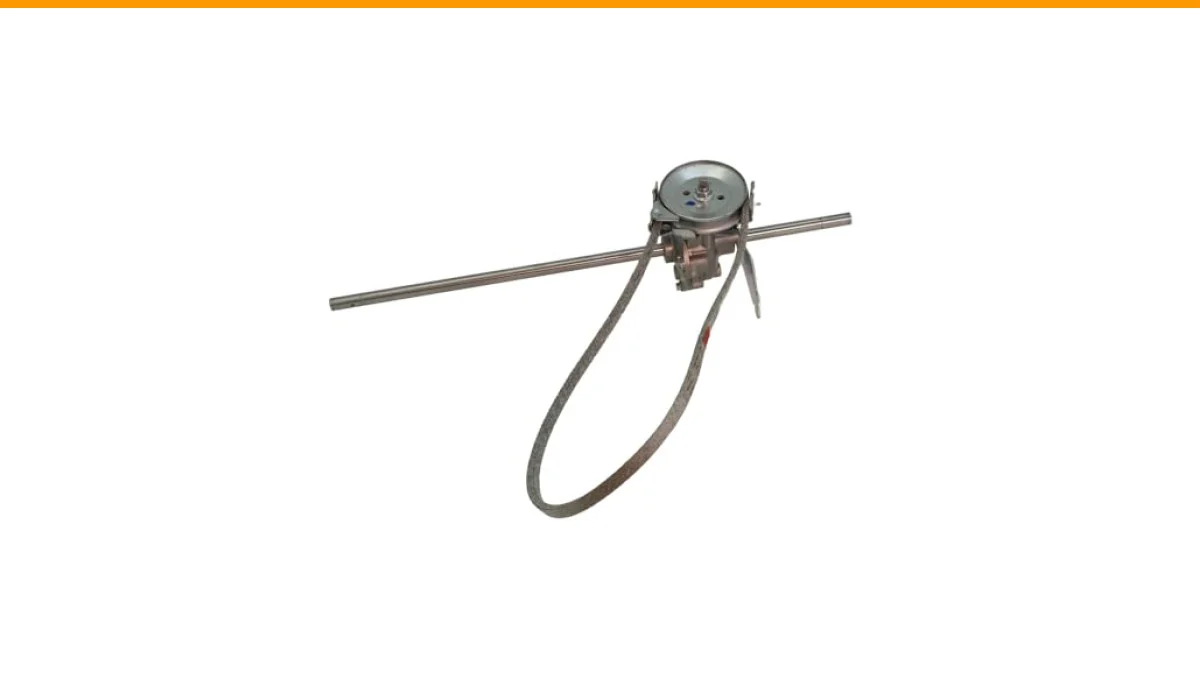
If you’re looking to replace your lawn mower transmission, consider the Honda 20001-VR8-N02 Transmission Assembly. Designed specifically for HRN216 series 21-inch lawn mowers, this genuine OEM part ensures reliable power transfer and optimal performance.
Types of Lawn Mower Transmissions
There are several types of transmissions used in lawn mowers, each with its advantages and disadvantages:
- Gear Drive: This type uses gears to transfer power from the engine to the wheels. Gear drive transmissions are often more durable and provide better power transfer. However, they can be more complicated to repair.
- Belt Drive: This system uses belts to connect the engine to the wheels. Belt drive systems are usually easier to maintain and repair, though they may not handle heavy loads as effectively as gear drives.
- Hydrostatic Transmission: This type uses hydraulic fluid to transfer power. Hydrostatic transmissions provide smooth operation and allow for variable speed control. They are often found in higher-end models but can be more expensive to repair.
How Lawn Mower Transmissions Operate
The primary function of a lawn mower transmission is to convert the engine’s rotational energy into usable power for the wheels. Here’s a breakdown of how this process works:
- Power Generation: The engine generates power through combustion. This power is transferred to the transmission.
- Power Transfer: In gear drive systems, gears engage to increase torque, while in belt drive systems, the belts transmit the power. Hydrostatic systems use hydraulic fluid to transfer energy smoothly.
- Speed Control: Most transmissions allow the operator to control the speed of the mower. Gear and belt drives typically have set speeds, while hydrostatic systems provide variable speed control.
- Final Movement: Once the power is transferred, it drives the wheels, propelling the mower forward.
Every type of transmission has specific characteristics that affect how well it performs in different conditions. For instance, hydrostatic transmissions excel in hilly terrains due to their smooth acceleration and deceleration.
Maintenance Tips for Lawn Mower Transmissions
Maintaining your lawn mower transmission is essential for ensuring long-term performance. Here are some tips to keep in mind:
- Regular Inspection: Check for leaks, wear, and damage regularly. Look for signs of oil or hydraulic fluid leaks, as these can indicate a problem.
- Keep it Clean: Dirt and debris can hinder transmission performance. Clean the exterior and any vents to promote airflow.
- Lubrication: Ensure that all moving parts are properly lubricated. Refer to the owner’s manual for the recommended lubrication schedule and types of lubricant.
- Replace Worn Parts: If you notice any worn or damaged components, replace them promptly to avoid further damage.
- Consult a Professional: If you’re unsure about any maintenance or repair tasks, consult a professional technician to prevent further issues.
Comparison of Lawn Mower Transmission Types
| Type | Advantages | Disadvantages |
|---|---|---|
| Gear Drive | Durable, efficient power transfer | Complex repair |
| Belt Drive | Easy maintenance, affordable | Less effective under heavy loads |
| Hydrostatic | Smooth operation, variable speed control | Higher repair costs |
Frequently Asked Questions
What is a hydrostatic lawn mower transmission?
A hydrostatic lawn mower transmission uses hydraulic fluid to transfer power from the engine to the wheels. This system allows for smooth acceleration and deceleration, making it easier to navigate uneven terrain.
How do I know if my lawn mower transmission is failing?
Signs of a failing transmission include unusual noises, difficulty changing speeds, or the mower not moving when the engine is running. If you experience any of these symptoms, it’s time to inspect or service the transmission.
Can I replace the transmission myself?
Replacing a lawn mower transmission can be complex depending on the type. While some mechanically-inclined individuals can do it themselves, it’s often best to consult a professional to avoid complications.
How often should I service my lawn mower transmission?
It depends on usage, but generally, you should inspect and service the transmission at least once a year. More frequent checks may be necessary if you use the mower heavily.
What should I look for when buying a replacement transmission?
When purchasing a replacement, ensure it is compatible with your lawn mower model. Genuine OEM parts, like the Honda 20001-VR8-N02 Transmission Assembly, guarantee optimal performance and fit.
Final Thoughts
- Understand the types of lawn mower transmissions: gear, belt, and hydrostatic.
- Regular maintenance can prevent costly repairs.
- Identify signs of transmission failure early to mitigate issues.
- Consider professional assistance for transmission replacement.
- Use OEM parts for the best performance in your lawn mower.
- Keep your mower clean to enhance transmission efficiency.
- Consult your owner’s manual for specific maintenance guidelines.


