
You stand on your roof and see wasted square footage. Maybe you’ve got a patio with two pots and a dead fern. Or maybe you’ve read about green roofs in Europe and wondered if the hype holds up on a regular city building. The honest answer is complicated, and it depends heavily on how you build your garden.
This article walks through what rooftop gardens actually deliver for sustainability, where they fall short, and how to get the most environmental return for your effort. You’ll learn the real numbers behind stormwater retention, the urban heat island effect, and local food production. You’ll also see a comparison of intensive versus extensive green roof systems, plus answers to common questions people ask before they start hauling soil up a stairwell.

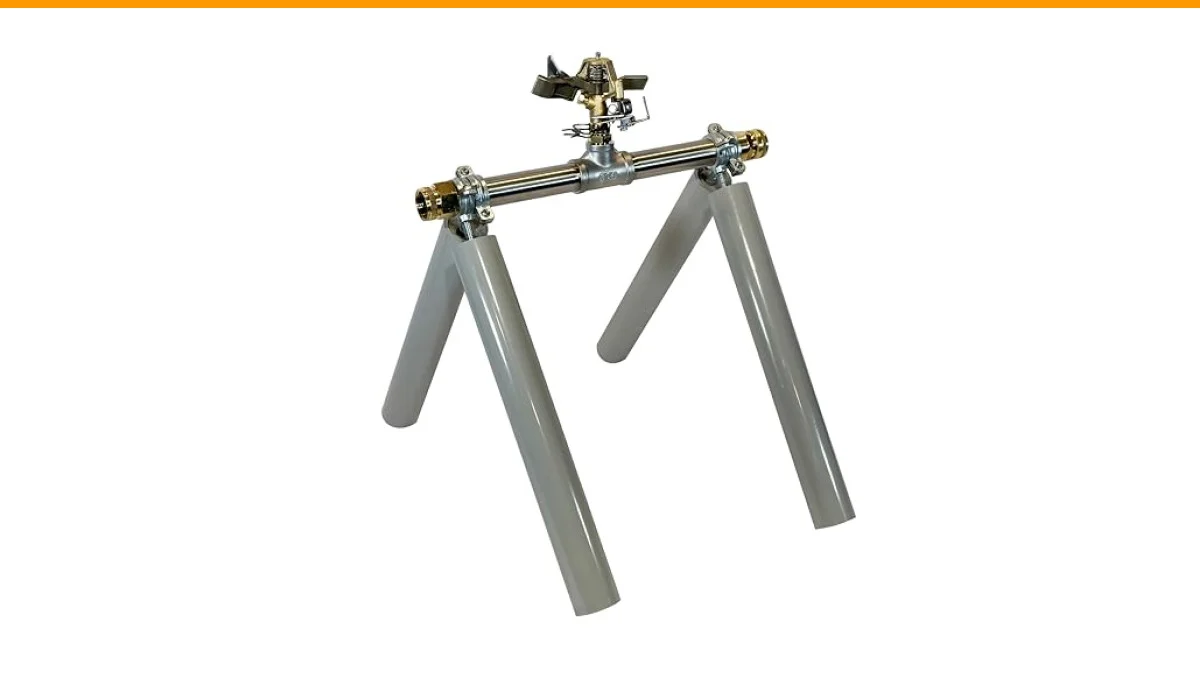
Iron Owl Rooftop Sprinklers
Rooftop Sprinkler (gray) - Iron Owl - Wildfire Ember protection Sprinkler for your Roof
- Fits any roof without drilling holes in the roof.
One practical note before we dig in: if you’re in a wildfire-prone area, a rooftop sprinkler system like the Iron Owl model can protect your investment. It fits any roof without drilling holes, which matters because every penetration in your roofing membrane is a potential leak. It’s not a substitute for a garden, but it’s a sensible layer of protection for the structure under it.
Stormwater Retention: The Benefit Nobody Sees
When it rains in a city, water hits pavement and runs straight into sewer systems. That runoff carries oil, heavy metals, and trash into waterways. It also overwhelms combined sewer systems, which then discharge raw sewage into rivers. Rooftop gardens slow this process down.
A vegetated roof with 4 to 6 inches of growing medium retains between 50% and 80% of annual rainfall in most climates. The exact number depends on your region’s rain pattern and the soil’s organic matter content. A study from the University of Michigan found that extensive green roofs retain about 60% of rainfall annually, with retention rates above 90% for individual small storms under half an inch.
The mechanism is simple physics. Soil and plant roots hold water, releasing it slowly through evapotranspiration over hours or days. That delay takes pressure off the sewer system during peak flow periods. Even a shallow green roof of 3 inches can reduce peak runoff rates by 50% compared to a conventional roof.
But here’s the catch that most articles skip: you need enough soil depth to matter. A collection of pots and raised beds will help, but it won’t match the performance of a continuous green roof layer. If your goal is serious stormwater management, you need at least a 4-inch substrate across most of your roof area, not just a few planters in the corners.
Urban Heat Island Reduction and Building Energy
Dark roofing membranes absorb solar radiation and re-radiate it as heat. Surface temperatures on a black rubber roof can hit 170°F on a summer afternoon. That heat radiates into the building below and into the surrounding air, making cities measurably hotter than nearby rural areas.
Plants cool things down through two mechanisms. First, they shade the roof surface. Second, they release moisture through transpiration, which consumes heat energy. A study from the National Research Council of Canada found that a green roof reduced the daily temperature fluctuation on the membrane from about 100°F to about 20°F. That’s a massive difference in thermal stress on your roofing materials.
For building energy use, the savings show up mostly on the top floor. In summer, a well-vegetated roof can reduce cooling demand by 25% to 40% in the rooms directly below it. Winter performance is less dramatic, but the added insulation from soil and plants still cuts heating needs by 10% to 15% in cold climates.
This is where your local climate dictates the payoff. In Phoenix or Dallas, the cooling savings are substantial because air conditioning runs for months. In Seattle or Portland, the benefit is more about stormwater and habitat than energy bills. Don’t install a rooftop garden solely for energy savings if you live in a mild coastal area, because the payback period will stretch well past a decade.
One thing I’ve learned from personal experience: the energy savings depend on having a continuous soil layer, not just planters. Individual pots create gaps where the membrane stays exposed and hot. If you’re serious about the cooling effect, you want full coverage or at least a modular system with trays that sit flush against each other.
Local Food Production and Food Miles
Growing food on your roof cuts the distance from farm to plate to zero. That sounds great, but let’s be honest about the scale. A typical 200-square-foot rooftop garden produces maybe 100 to 150 pounds of vegetables per season with good management. That’s meaningful for a household, but it’s not replacing your grocery store trips entirely.
What matters more than the raw weight is what you grow. Leafy greens, herbs, and tomatoes are expensive to ship and lose quality quickly in transit. A head of lettuce from a commercial farm travels about 1,500 miles to reach a Midwest grocery store. Herbs flown in from Israel or Mexico carry an even larger carbon footprint. Replacing those with rooftop produce has real environmental value.
Root vegetables and winter squash, on the other hand, store well and ship efficiently. Growing potatoes on your roof doesn’t save much carbon because potatoes already travel cheaply and last for months. Focus your plant selection on high-value crops that you’d otherwise buy fresh and often.
There’s also the compost angle. A rooftop garden gives you a place to process kitchen scraps, which keeps organic waste out of landfills where it generates methane. A simple worm bin or compost tumbler on the roof can handle scraps from a household of four, producing nutrient-rich soil amendments that close the loop on your food waste.
Biodiversity and Pollinator Habitat in Dense Areas
City rooftops are ecological dead zones in their conventional form. A gravel ballast roof supports nothing but the occasional pigeon. A vegetated roof, even a shallow one, provides habitat for insects and birds that struggle to find food and shelter in urban environments.
Research in London and Chicago found that green roofs support a surprising diversity of beetles, spiders, and bees, especially when planted with native wildflowers. One study from the University of Sussex counted 93 species of invertebrates on a single green roof in central London. The key variable is plant diversity; a roof planted with sedum only supports far fewer species than one with a mix of flowering perennials and grasses.
For pollinators specifically, rooftop gardens can serve as stepping stones between larger habitats like parks and river corridors. Bees can fly a few miles, but they need nectar sources along the way. A network of green roofs across a city creates a highway of forage that helps maintain healthy pollinator populations.
This benefit pairs well with the edible flowers and herbs approach, where you’re growing food while also providing nectar. Plants like borage, calendula, and lavender serve both purposes. You get a harvest and the bees get a meal.
Don’t expect a rooftop garden to replicate a meadow. The shallow soil, wind exposure, and heat stress limit what will thrive. But even a modest diversity of plants creates habitat where none existed before, and in a dense city, that’s a genuine gain.
Comparing Intensive and Extensive Green Roof Systems
| Factor | Extensive System | Intensive System |
|---|---|---|
| Soil depth | 3 to 6 inches | 6 inches to 4 feet |
| Typical plants | Sedum, moss, drought-tolerant grasses | Shrubs, small trees, vegetables, lawns |
| Weight when saturated | 15 to 30 pounds per square foot | 50 to 300 pounds per square foot |
| Stormwater retention | 50% to 70% annually | 70% to 90% annually |
| Structural requirements | Minimal reinforcement often needed | Engineered specifically for the load |
| Maintenance level | Low: 1 to 2 visits per year | High: weekly watering, pruning, weeding |
| Cost per square foot | $10 to $25 installed | $25 to $100+ installed |
| Energy savings potential | Moderate | Higher due to added insulation |
| Recreational use | None, not walkable | Full amenity space |
Most residential rooftop gardens fall somewhere between these categories. A container garden with raised beds behaves like a mini-intensive system. A modular tray system with shallow succulents functions as an extensive roof. Know which direction you’re leaning before you talk to a structural engineer.
If your building can’t handle the weight of an intensive system, that doesn’t rule out a garden. An extensive sedum roof weighs about the same as a layer of gravel and often requires no additional structural work. You lose the ability to grow vegetables, but you keep the stormwater and cooling benefits. For food production, you can supplement with lightweight container gardening along the roof edges where structural support is strongest.
Five Questions People Actually Ask About Rooftop Gardens
Will my roof support the weight of a garden?
You need a structural engineer for a definitive answer, but here’s a rule of thumb. Most modern commercial roofs are designed for 20 to 30 pounds per square foot of live load. A saturated extensive green roof system weighs about 15 to 30 pounds per square foot, so it’s borderline. An intensive system with deep soil and shrubs will exceed the design load of most standard roofs. Check your building plans or hire an engineer. This is not a place to guess, because the cost of failure is catastrophic.
How much does a rooftop garden cost to install and maintain?
A DIY container garden with wooden raised beds might cost $500 to $2,000 for a 200-square-foot area. A professionally installed extensive green roof runs $10 to $25 per square foot. Intensive systems cost more, sometimes $50 per square foot or higher. Ongoing maintenance for a container garden includes soil replacement every few years, fertilizer, and pest management. Budget $100 to $300 per season for supplies on a modest setup. The biggest hidden cost is often irrigation, especially if you don’t have a hose bib on the roof.
What are the best plants for a rooftop garden?
Choose plants based on your wind and sun exposure, not just your aesthetic preference. Rooftops are typically windier and hotter than ground-level gardens. Sedum, ornamental grasses, and drought-tolerant herbs like rosemary and thyme handle those conditions well. For vegetables, cherry tomatoes, peppers, and leafy greens adapt better to containers than large fruiting plants. Avoid tall, top-heavy plants that will snap in wind gusts. A windbreak strategy is essential for anything beyond low-growing succulents.
How do I water a rooftop garden without wasting water?
Drip irrigation is the standard answer, and it’s correct. A well-designed drip system uses 30% to 50% less water than overhead sprinklers because it delivers water directly to the root zone with minimal evaporation loss. Add a moisture sensor or a smart controller to avoid overwatering. You should also consider installing a rain barrel or cistern, since your roof already collects runoff. A 500-square-foot roof in a region with 30 inches of annual rainfall produces about 9,000 gallons of runoff, which is plenty to irrigate a substantial garden.
Will a rooftop garden damage my roof membrane?
It can, if you install it wrong. The two main risks are physical punctures from sharp tools or container edges, and root penetration through the membrane. A proper green roof system includes a root barrier layer and a drainage mat to protect the membrane. For container gardens, use a raised platform or pavers to distribute weight and avoid dragging pots across the surface. Check the membrane annually for damage, especially around drain inlets and edges. The Iron Owl rooftop sprinkler mentioned earlier is useful here too, because it protects the roof from ember damage during wildfires without requiring membrane penetrations.
What To Remember Before You Start Hauling Soil
- Get a structural assessment first. Every other decision depends on knowing your roof’s load capacity, and skipping this step is how people end up with cracked walls and sagging ceilings.
- Prioritize stormwater and cooling benefits over food production. Those benefits scale with soil coverage, so a continuous green roof layer outperforms scattered containers for environmental impact.
- Choose plants for wind and heat tolerance, not just what looks pretty in the nursery catalog. Your roof is a harsh microclimate that will kill anything that can’t handle exposure.
- Set up drip irrigation with a rain barrel from day one. Hand-watering a rooftop garden in July is a chore you’ll abandon by August, and dead plants help nobody.
- Protect the roof membrane with a root barrier and proper drainage. A leak from a punctured membrane will cost more than your entire garden budget to repair.
- Grow high-value, perishable crops like lettuce and herbs instead of storage vegetables. That’s where the food-mile savings actually concentrate.
- If you live in a wildfire zone, add an ember protection sprinkler like the Iron Owl model before fire season. It fits without drilling, which keeps your roof warranty intact while giving you a defense against flying embers that can ignite the garden debris and the structure below.