How to Divide Perennials: A Comprehensive Guide
Contents
Gardening enthusiasts often find themselves in a predicament when their perennials outgrow their designated spaces. The vibrant blooms that once brightened your garden may start to dwindle, leading to a less-than-ideal landscape. Dividing perennials not only revitalizes your plants but also gives you the opportunity to propagate them across your garden. This article will provide you with a thorough understanding of how to divide perennials effectively, ensuring they remain healthy and beautiful for years to come.
By the end of this guide, you’ll know the best times to divide your plants, the techniques to use, and the tools that can simplify the process. One such tool is the Keyfit Tools Spartan Garden Knife, a superior garden knife designed specifically for splitting and dividing tough perennials. Its serrated blade makes the task easier, allowing for clean cuts and minimal plant stress.

Keyfit Tools
Keyfit Tools Spartan Garden Knife Perennial Splitter Divider Super Sharp Double Sided Serrated Stainless Steel 8” Blade 5” Ergonomic Rubber Handle Hori Hori Knife Gardening Tools
- ~8" SPARTAN High Quality 420 HRC 52 Stainless Steel Blade ~5” Ergonomic Rubber Handle Will Not Rot Like Wood
- ~Multi-Purpose Double Sided Serrated Garden Knife ~Split and divide Hostas & Daylilies
- Great for cutting back dead perennials and grass for fall and spring clean ups

When to Divide Perennials
Timing can make or break your perennial division efforts. The best time to divide most perennials is during the growing season, typically in spring or early fall. Here’s a breakdown of what to consider:
- Spring: Early spring is ideal for plants that bloom later in the season. Dividing at this time allows the plants to establish roots before summer.
- Early Fall: For plants that bloom in spring or summer, late summer to early fall is best. This timing gives the plants enough time to recover before winter dormancy.
Some gardeners believe that dividing perennials in the middle of summer is wise. However, this can stress the plants, especially those that are already in bloom.
Tools Needed for Dividing Perennials
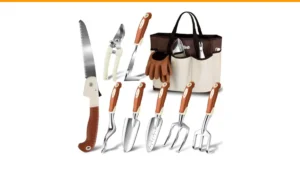
Having the right tools can significantly ease the division process. Here’s a list of essential tools you might consider:
- Garden Knife: A sharp, serrated garden knife, like the Keyfit Tools Spartan Garden Knife, can easily slice through roots and dense foliage.
- Shovel or Spade: Useful for digging up the entire root ball of the plant.
- Hand Trowel: Helpful for smaller plants or intricate root systems.
- Garden Fork: A garden fork can help loosen the soil around the root ball.
- Gloves: Protect your hands while working with soil and sharp tools.
Steps to Divide Perennials
Here’s a step-by-step guide to effectively divide your perennials:
- Choose the Right Plant: Look for perennials that have become crowded, have a reduced bloom, or exhibit signs of decline.
- Prepare Your Tools: Clean and sharpen your tools to ensure clean cuts, which minimize stress on plants.
- Water the Plant: Water the plant a day before division to keep the roots hydrated.
- Dig Up the Plant: Use a shovel or spade to carefully dig around the plant, lifting it from the ground with as much of the root system intact as possible.
- Divide the Roots: Gently shake off excess soil and use your garden knife to slice through the root ball. Aim for sections with healthy roots and shoots.
- Replant Immediately: Place the divided sections into prepared holes in well-amended soil, ensuring they are at the same depth they were previously growing.
- Water Generously: After replanting, water each section thoroughly to help settle the soil around the roots.
Common Misconceptions About Dividing Perennials
Myth 1: You Can Divide Any Perennial Anytime
Many believe that all perennials can be divided at any time. This is false! Timing is crucial, as improper timing can shock the plant and hinder its recovery. Stick to spring or early fall for the best results.
Myth 2: More Roots Mean Better Growth
Another common belief is that larger root systems guarantee healthier plants. While strong roots are essential, overcrowded roots can lead to competition for nutrients. Regularly dividing perennials keeps them healthy and thriving.
Comparison of Division Techniques
| Technique | Description | Best For |
|---|---|---|
| Knife Method | Using a sharp garden knife to slice through roots. | Dense-rooted perennials like daylilies. |
| Shovel Method | Digging up the entire plant and separating by hand. | Larger perennials like hostas. |
| Fork Method | Loosening roots with a garden fork before dividing. | Fragile-rooted perennials. |
Frequently Asked Questions
How do I know if my perennials need dividing?
Look for signs like reduced blooms, overcrowded growth, or dead centers in your perennial plants. These indicate it’s time to divide.
Can I divide perennials in the summer?
It’s not recommended. Summer division can stress the plants, especially those in bloom. Stick to spring or fall for best results.
What happens if I don’t divide my perennials?
Over time, undivided perennials may become overcrowded, leading to poor health and fewer blooms. Regular division helps maintain vigor.
How deep should I plant the divided perennials?
Replant divided sections at the same depth they were originally growing. This helps ensure proper root establishment.
Can I divide perennials during their flowering period?
It’s not ideal. Dividing during flowering can stress the plant and reduce bloom quality. Aim for early spring or late summer for best results.
Final Thoughts on Dividing Perennials
- Choose the right time: spring or early fall.
- Use sharp tools for clean cuts.
- Water plants a day before division.
- Replant immediately after dividing.
- Watch for signs that your perennials need dividing.
- Don’t divide during flowering to avoid stress.
- Consider using a quality garden knife for efficiency.
For more gardening tips, check out our articles on best garden trowels and edging plants for borders.