
A vibrant lawn often starts with healthy soil. If your grass is struggling, it might be time to consider the condition of your soil. Many lawn enthusiasts underestimate the importance of organic matter. It not only improves soil structure but also enhances nutrient availability and moisture retention. If you notice patchy growth or poor drainage, adding organic matter can be a game changer.
This article will guide you through practical methods to add organic matter to your lawn soil. You’ll learn about different organic materials, their benefits, and how to apply them correctly. By the end, you’ll have the tools to create a healthier lawn that thrives.

The Andersons
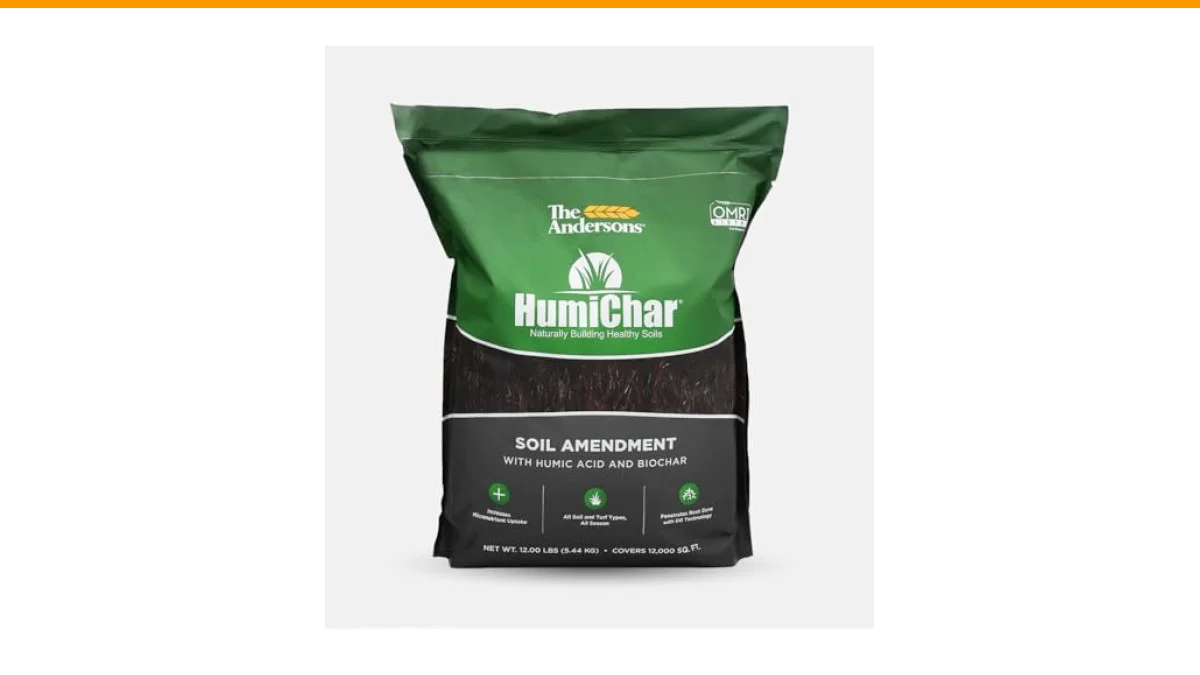
The Andersons HumiChar Organic Soil Amendment with Humic Acid and Biochar Covers 12,000 sq ft (12 lb)
- Improves soil health, lawn health, plant health, and reduce the use of fertilizers
- Easy to apply spherical, uniform, low dust formulation. Dispersible Granule, or "DG" Technology is The Andersons' patented nutrien…
- Environmentally friendly, OMRI listed. User friendly; can be blended with fertilizers, alongside any fertilizer program or used al…
A recommended product for improving soil health is The Andersons HumiChar Organic Soil Amendment. This amendment combines humic acid and biochar, delivering quick benefits while building long-term soil structure.
Why Add Organic Matter?
Okay, but how much does this actually matter? Organic matter plays several key roles in soil health:
- Nutrient Supply: Organic matter acts as a reservoir for nutrients, making them available to grass plants over time.
- Improved Soil Structure: It helps create aggregates, improving aeration and water infiltration.
- Moisture Retention: Soils rich in organic matter can hold more moisture, reducing the need for frequent watering.
Research suggests that soils with at least 5% organic matter can significantly improve grass health. If your lawn is lacking this percentage, it may struggle to sustain optimal growth.
Types of Organic Matter to Add
What kind of organic matter should you consider? Here are several popular options:
- Compost: A mixture of decomposed organic materials, compost enriches soil and provides essential nutrients.
- Mulch: Organic mulches like wood chips or straw can break down over time, adding nutrients back into the soil.
- Green Manures: Cover crops like clover or rye can be tilled into the soil, enriching it with nutrients.
- Animal Manure: Well-aged manure can provide a significant nutrient boost, but it must be properly composted to avoid pathogens.
Each type has its advantages, and you may choose to mix several for the best results.
Application Methods
So, how do you apply organic matter effectively? Here are some common methods:
- Top-Dressing: Spread a thin layer (about 1/4 to 1/2 inch) of compost or organic matter over your lawn. This can be done in early spring or fall.
- Tilling: For larger areas, you can till in organic matter directly into the soil. Aim for a 4- to 6-inch depth to allow the organic matter to mix well.
- Liquid Applications: Organic fertilizers or compost teas can be sprayed directly onto the lawn for quick nutrient absorption.
- Incorporation with Aeration: Aerate your lawn and then apply organic matter. This allows it to penetrate deeper into the soil.
Choose a method that suits your lawn size and your schedule.
Comparing Organic Matter Options
| Type | Benefits | Application Frequency |
|---|---|---|
| Compost | Improves soil fertility and structure | 1-2 times per year |
| Mulch | Retains moisture and suppresses weeds | As needed, typically annually |
| Green Manures | Enhances soil nutrients when tilled | Seasonal |
| Animal Manure | Rich in nutrients | 1-2 times per year |
Understanding the benefits and application frequency of each type can help you plan your lawn care regimen effectively.
What are the signs that my lawn needs organic matter?
Common signs include thin grass, poor drainage, and compacted soil. If your lawn struggles to retain moisture or nutrients, it’s likely time to add organic matter.
How much organic matter should I add?
A general recommendation is to add about 1 to 2 inches of organic matter to your lawn per year. Adjust based on your soil’s current organic content and health.
Can I add organic matter in any season?
Spring and fall are the best seasons for adding organic matter. These times align with your grass’s growing cycles, allowing it to benefit from the nutrients.
Will organic matter help with pest problems?
Yes, healthy soil can lead to healthier grass that is more resilient to pests. Organic matter also encourages beneficial organisms that can help suppress pest populations.
How long does it take for organic matter to improve soil?
You may see some immediate benefits, but full effects can take several months to years. Regular applications will lead to cumulative improvements over time.
Final Thoughts for a Thriving Lawn
- Assess your soil’s current organic matter content.
- Choose from compost, mulch, green manures, or manure for your lawn.
- Apply organic matter in spring or fall for best results.
- Use appropriate application methods based on your lawn size.
- Monitor your lawn’s health to adjust your organic matter strategy.
- Consider products like The Andersons HumiChar for added benefits.
- Regularly test your soil to understand its changing needs.
Taking these steps will lead to a robust lawn that can thrive through various weather conditions. With patience and consistency, your efforts will yield a lush, green carpet that enhances your outdoor space.



