Essential Garden Tool Cleaning Checklist
Contents
Garden tools are an essential part of maintaining a healthy garden, but over time, they can accumulate dirt, rust, and other debris. Neglecting their care can lead to decreased performance and a shorter lifespan. Many gardeners find themselves frustrated when their once-reliable tools become less effective due to a lack of regular maintenance. This article provides a thorough garden tool cleaning checklist to help you keep your tools in peak condition.
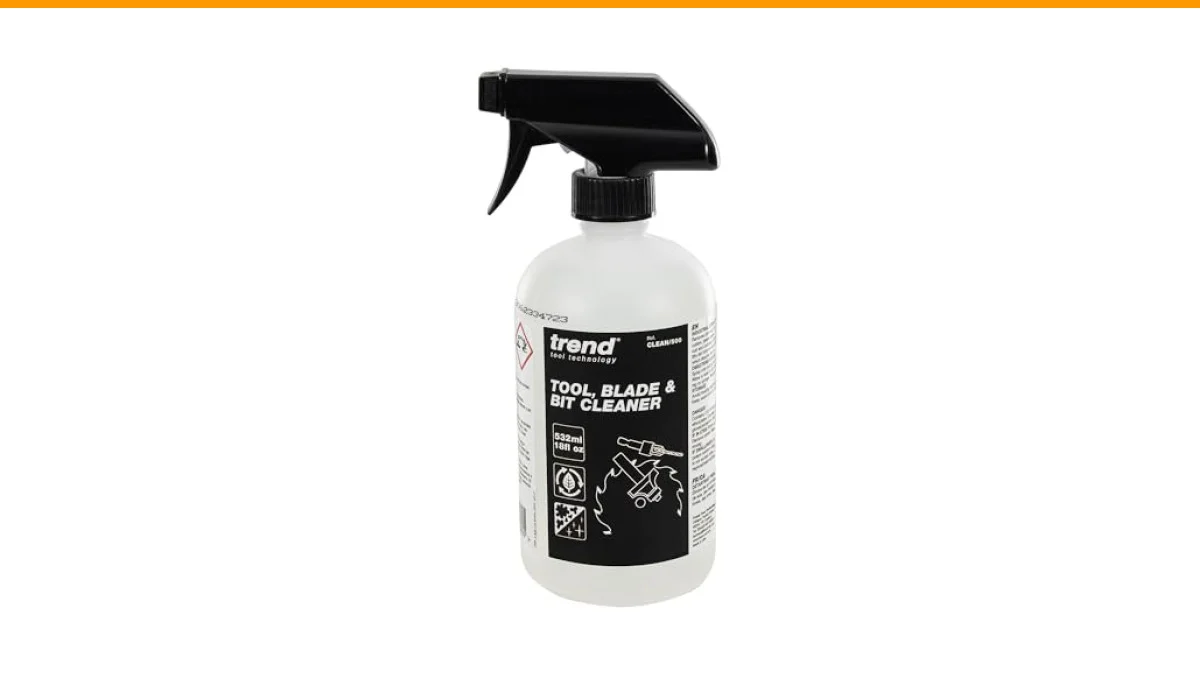
You’ll learn step-by-step cleaning methods for various types of tools, the importance of regular maintenance, and how proper care can enhance your gardening experience. Additionally, we’ll introduce a highly effective cleaning product, the TREND Tool, Blade & Bit Cleaner, which offers a safe and powerful solution for restoring your tools.

TREND
TREND Tool, Blade & Bit Cleaner, 18 fl oz, Resin, Pitch & Rust Remover, Safe Non-Toxic Formula for Workshop Tools, CLEAN/500
- POWERFUL CLEANING FORMULA: Advanced cleaner that breaks the molecular bond between resin, pitch, rust and dirt, lifting contaminan…
- RUST & CORROSION PROTECTION: Leaves a light protective layer on metal surfaces to help prevent future rust and corrosion, ensuring…
- SAFE WORKSHOP USE: Non-toxic, non-flammable and environmentally responsible formulation provides a safer alternative to traditiona…
The TREND Tool, Blade & Bit Cleaner is designed to effortlessly lift contaminants from your tools without harsh scrubbing. Its non-toxic formula not only cleans but also provides rust protection, making it an essential part of your cleaning routine.
Why Cleaning Your Tools Matters
Regular cleaning of your garden tools is crucial for several reasons:
- Performance: Dirty tools can lead to poor performance and less effective gardening.
- Longevity: Regular maintenance prevents rust and corrosion, extending the lifespan of your tools.
- Safety: Clean tools are safer to use; dirt and debris can lead to accidents.
- Healthier Plants: Dirty tools can spread pests and diseases in your garden.
Tool Categories and Cleaning Techniques
Different types of tools require specific cleaning methods. Here’s a breakdown:
1. Hand Tools
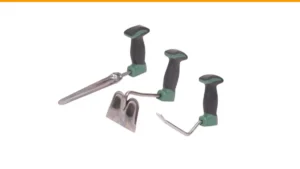
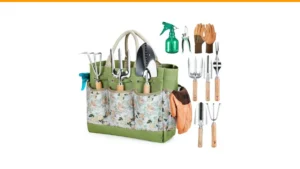
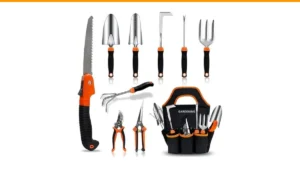
Hand tools like trowels, pruners, and weeders are easy to clean. Follow these steps:
- Remove any soil or debris with a stiff brush.
- Soak in warm soapy water for 10-15 minutes.
- Scrub with a brush to remove stubborn dirt.
- Rinse thoroughly and dry to prevent rust.
- Apply a light coat of oil to metal parts for protection.
2. Power Tools
Power tools like trimmers and blowers need extra care:
- Disconnect power for safety.
- Wipe down the exterior with a damp cloth.
- For blades, use the TREND Tool Cleaner to remove pitch and resin.
- Inspect for any wear and tear; replace parts as needed.
3. Garden Hoses
Cleaning hoses is essential to maintain water quality:
- Drain the hose completely.
- Use a solution of vinegar and water to scrub the inside.
- Rinse thoroughly and hang to dry.
Garden Tool Cleaning Checklist
Here’s a handy checklist to follow:
- Remove debris from all tools.
- Soak hand tools in soapy water.
- Wipe down power tools with a damp cloth.
- Clean blades with TREND Cleaner.
- Inspect tools for damage.
- Oil metal parts to prevent rust.
- Store tools in a dry place.
Comparison of Cleaning Methods
| Method | Effectiveness | Time Required | Best For |
|---|---|---|---|
| Soapy Water | Moderate | 10-15 minutes | Hand Tools |
| TREND Cleaner | High | 5 minutes | Blades & Bits |
| Vinegar Solution | Moderate | 10 minutes | Hoses |
| Stiff Brush | High | 5-10 minutes | All Tools |
Commonly Asked Questions
How often should I clean my garden tools?
Clean your tools after each use, especially if they’ve been in contact with soil or plants. A deeper clean every month ensures optimal performance.
Can I use vinegar to clean my tools?
Yes, vinegar is effective for removing rust and dirt. However, avoid using it on wooden handles, as it can damage the wood.
What should I do if my tools are rusted?
Remove rust using a wire brush or sandpaper, then clean the tool thoroughly. After cleaning, apply a rust inhibitor or oil to prevent future rusting.
Is it necessary to oil my tools?
Oiling tools is important, especially metal parts, as it protects against moisture and rust. Use a light machine oil or a specific tool oil.
What’s the best way to store my garden tools?
Store tools in a dry, cool place. Hanging tools on a wall or using a dedicated storage unit keeps them organized and prevents damage.
Final Tips for Tool Care
- Clean tools after each use to prevent buildup.
- Use the TREND Cleaner for efficient rust and pitch removal.
- Inspect tools regularly for wear and replace parts as needed.
- Store tools properly to avoid damage.
- Keep a maintenance log to track cleaning schedules.
- Regularly check for pests on tools before using.
- Consider using dedicated organizers to keep tools accessible and tidy.