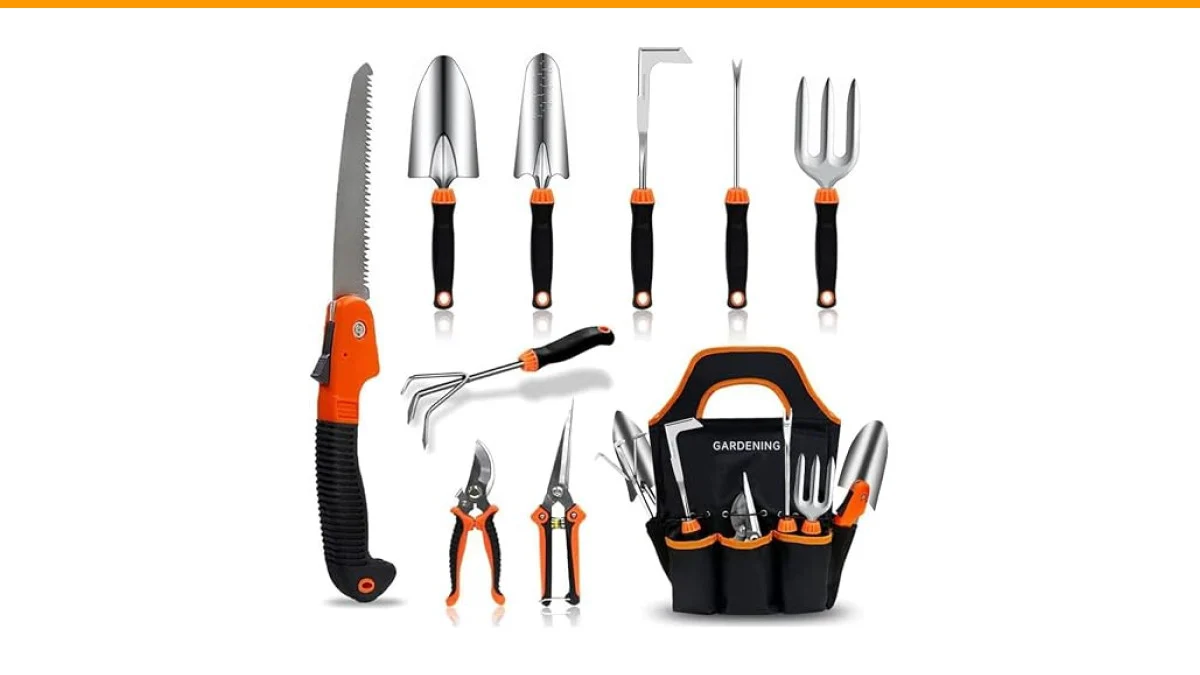
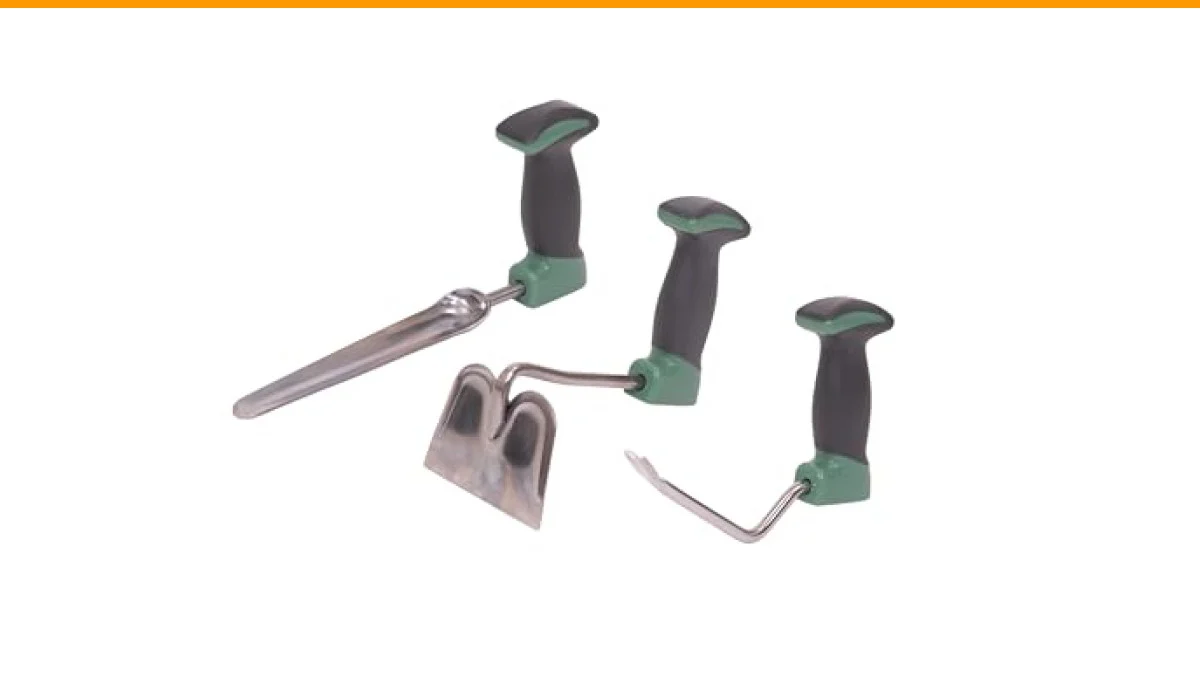
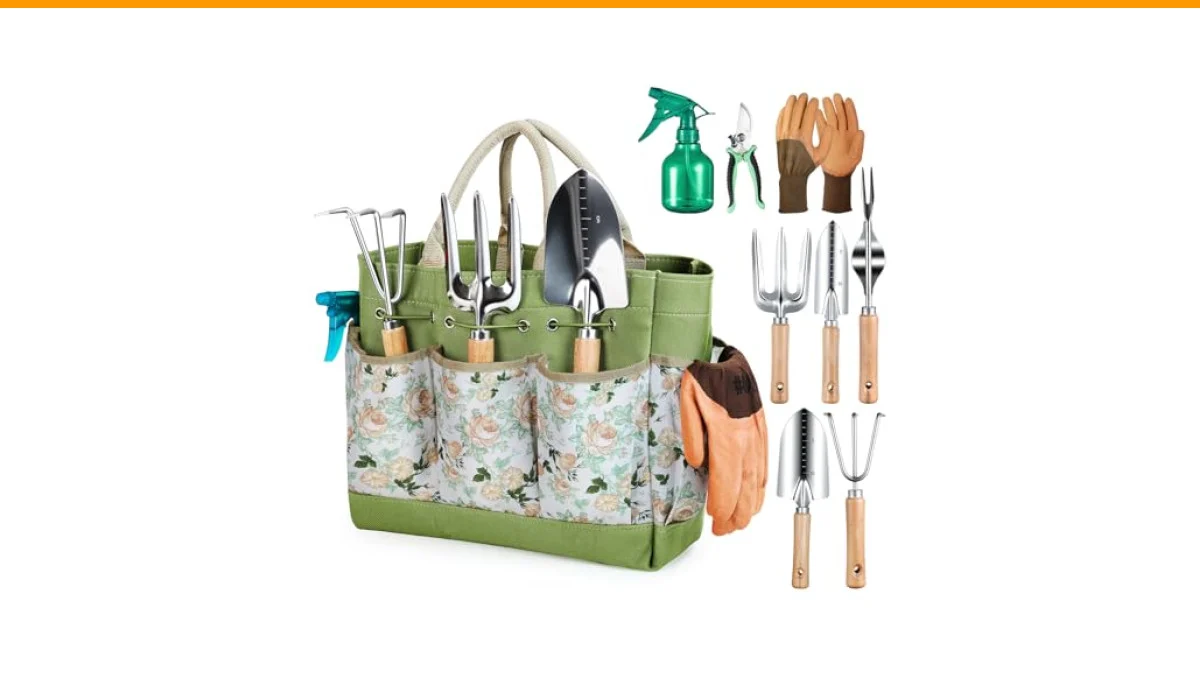
You bought seeds in January, planted them in February, and by March you had a tray of pale, stretched seedlings that collapsed at the soil line. Sound familiar? Most germination failures aren’t the seed’s fault. They’re a moisture, airflow, or light-distance problem, and the kit you choose decides which of those three you’ll fight.


A good seed germination kit solves specific problems: it holds humidity without trapping stagnant air, keeps soil warm enough for peppers and tomatoes, and puts light close enough to stop seedlings from stretching. Cell count matters less than people think. What matters is whether the dome vents, whether the tray drains, and whether the light sits at the right height for two weeks straight.
Below are five kits that cover very different jobs, from mason-jar sprouting to a smart heated system with app control. We ranked them by germination reliability, crop fit, and cost per seedling across three seasons. The LetPot Smart Seed Starter takes the top spot for serious indoor starting, but two of the cheaper kits here will beat it for specific crops.
Here’s the quick spec breakdown before the detailed reviews.
| Features | Kitmiido Sprouting Kit | Patigrow 120-Cell Kit | BlumWay Starter Tray | LetPot Smart Starter | Gardzen 5-Set Trays |
|---|---|---|---|---|---|
| Primary Use | Sprout growing in jars | Large indoor seed starting | Indoor seed starting | Smart heated germination | Budget bulk seed starting |
| Cell Count | Not applicable | 120 cells total | 80 cells total | 40 cells | 200 cells total |
| Lighting | None | 56 LED beads per tray | 80 full-spectrum beads | 24W full-spectrum LED | None |
| Heating | None | None | None | 24W heating base | None |
| Watering Style | Rinse and drain | Self-watering capillary mat | Manual, drainage holes | Manual with EC sensor | Manual, drainage holes |
Kitmiido Seed Sprouting Kit

Kitmiido
Kitmiido Seed Sprouting Kit, 2 Large Wide Mouth Mason Jars with Sprout Lids, Blackout Sleeves, Drain Tray, Stainless Steel Stand, Sprouts Growing Kit for Bean, Broccoli, Alfalfa (Yellow+Green)
- 🥗EASY & HEALTHY SPROUTING AT HOME - Our sprouting kits make it easy to grow a variety of nutritious sprouts at home. Healthy and d…
- ✅COMPLETE SPROUTING SET - Includes 2 Glass jars, 2 screen sprout lids, 1 stainless steel stand, 1 drip tray, 2 blackout sleeves. T…
- 🌱HIGH-EFFICIENCY SPROUTER&GERMINATOR - Our sprouting stainless steel stand provides optimal drainage and airflow angles for jars,…
This is not a seed-starting tray. It’s a sprouting kit for eating, not transplanting, and that distinction trips up a lot of buyers. Two wide-mouth mason jars, mesh lids, blackout sleeves, and a stainless stand with a drip tray let you grow mung beans, broccoli sprouts, and alfalfa on a countertop in about four to six days. Anyone who wants fresh sprouts for salads and sandwiches will get more value here than from any 200-cell tray.
The blackout sleeves do real work. They block light so bean sprouts grow long, straight, and sweeter instead of turning green and bitter. The stand angles the jars for drainage, which is the single biggest reason sprouts rot. One-piece stand and drip tray saves counter space, and the 316 stainless mesh won’t rust after repeated rinsing.
Here’s the honest downside: this kit has nothing to do with starting garden seedlings. No cells, no dome, no light. If you wanted to grow tomato transplants, you bought the wrong product. The neoprene sleeves also hold moisture and need drying between batches, or they start to smell.
- Two glass jars with 316 stainless mesh lids
- Blackout sleeves for longer, sweeter sprouts
- Stainless stand with integrated drip tray
- Works with broccoli, alfalfa, radish, mung, soybean
- Dishwasher-safe drip tray
Best for: Home cooks who want a steady supply of fresh sprouts and don’t need seedling trays at all.
Patigrow 120-Cell Self-Watering Kit

Patigrow
Patigrow 120-Cell Self-Watering Seed Starter Tray with Grow Light, Seed Starter Kit with 4.07” Humidity Dome, Indoor Seedling Starter Tray, Seed Starting Trays for Plant Germination, Seeds Growing
- Pro Grow Lights with Advanced Chips: Equipped with 56 high-efficiency beads per tray, these LED strips simulate natural sunlight f…
- Simple Self-Watering System: Ensures consistent moisture with an efficient design that prevents overwatering or drying out. One wa…
- Built for Practicality and Durability: Made from high-density, BPA-free PET material, the 1.5mm thick dome and base tray lock in t…
Patigrow built this for volume. Two 60-cell trays, two domes, two capillary mats, and a shared grow light system mean you can start 120 seedlings in one go without babysitting moisture. That’s the right fit for someone planning a full vegetable garden, not a windowsill herb pot.
The self-watering design is the standout. Capillary mats pull water up from the base tray, so soil stays evenly moist from germination through transplant. One fill can carry seeds through the first two weeks, which cuts down on the classic mistake of overwatering and drowning seeds. The 56 LED beads per tray with adjustable brightness and a timer give you control over light intensity as seedlings mature.
Trade-off worth knowing: 120 cells is a lot of seedlings to manage at once. If half your seeds don’t germinate, you’re left with empty cells and wasted space. The capillary mats also need rinsing between seasons, and they wear out faster than the trays themselves. Budget for replacements.
- Two 60-cell trays with two humidity domes
- Capillary mats for consistent bottom watering
- 56 LED beads per tray, adjustable brightness and timer
- 1.5mm BPA-free PET dome and base
- Includes labels, tools, and plant stands
Best for: Gardeners starting 100+ seedlings for a large outdoor vegetable plot.
BlumWay Seed Starter Tray
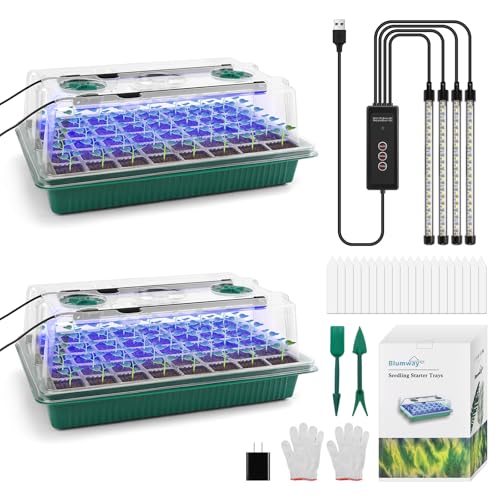
BlumWay targets the middle ground: two 40-cell trays with a taller dome and deeper cells than most competitors. The 9cm dome height matters more than the marketing suggests. Tomato and pepper seedlings hit the top of a standard dome in about ten days, and once leaves press against plastic, you’re forced to transplant early or risk damage.
Deeper cells (1.96 inches) let roots develop further before transplant, which reduces shock when seedlings move to pots. The 80 full-spectrum beads across two trays, three lighting modes, and 3H/6H/12H timer settings give you more light control than the price point suggests. A remote indicator light shows which timer mode is active, so you’re not guessing.
Where it falls short: the ABS plastic is sturdy but the dome fit isn’t airtight on every unit. Some buyers report needing to press the dome down firmly to keep humidity in. The drainage holes at 0.31 inches can also let fine seed-starting mix wash through if you water too aggressively from the top.
- Two 40-cell trays, 80 total cells
- Taller 9cm dome for leggy-prone crops
- Deeper 1.96in cells for stronger roots
- Three lighting modes and three timer settings
- USB or plug-in power with adapter included
Best for: Growers who want deeper cells and a taller dome without paying for heating or smart features.
LetPot Smart Seed Starter
LetPot packed a full indoor growing setup into one unit: 24W full-spectrum LED, 24W heating base, soil EC and temperature sensors, adjustable humidity dome, and app control. No separate heat mat, no clip-on light, no thermostat to buy. That consolidation is the real selling point for anyone who has priced out those parts separately.
The heating base is what separates this from every other kit on the list. Peppers and tomatoes need soil temps around 75 to 85°F to germinate reliably, and a cold windowsill in February will stall them for weeks. Day/night temperature adjustment mimics natural cycles, which supports steadier germination in cool rooms. The 180-degree rotatable light panel adjusts in height, so you can keep it close to seedlings without burning leaves.
Two honest caveats. First, 40 cells is small for the price tier. If you’re starting a big garden, you’ll outgrow it fast. Second, the app and EC sensor add complexity that beginners may not need. Soil EC readings only become useful once seedlings have true leaves, so the sensor sits mostly idle during the germination window.
- 24W full-spectrum LED with adjustable brightness
- 24W smart heating base with day/night cycles
- Real-time soil EC and temperature monitoring
- Extra-tall dome with condensation-capture edge
- Touch and app control for light and heat
Best for: Serious indoor growers starting heat-loving crops in cold rooms or winter conditions.
Gardzen 5-Set Seed Starter Trays
Gardzen sells volume and simplicity. Five trays at 40 cells each gives you 200 cells, plus domes and bases, for less than most single-tray kits with lights. There’s no grow light and no heat source. You supply both, or you rely on a sunny window.
The upgrade here is ventilation. Two adjustable air vents sit on top of each dome, which lets you crack humidity without removing the lid entirely. That’s the single best defense against damping off, a fungal problem that kills seedlings at the soil line in warm, wet, still air. The clear domes let you watch growth without lifting anything, and the drain holes at the bottom of each cell prevent standing water.
The catch is obvious: no light and no heat means germination depends entirely on your setup. Cool-season crops like lettuce and broccoli will do fine on a bright windowsill. Peppers, eggplant, and tomatoes will germinate slowly or not at all without supplemental warmth. The plastic is thinner than premium kits, so handle the trays carefully when they’re full of wet soil.
- Five trays, 200 total cells
- Two adjustable vents per dome
- Clear domes for easy monitoring
- Drain holes in every cell
- Works for seeds and cuttings
Best for: Budget-minded gardeners who already own grow lights and heat mats and just need trays.
How We Chose These Products
We ranked these kits on germination reliability first, features second. A kit that looks impressive but traps stagnant air or holds soil too wet will fail seeds, no matter how many LED beads it claims. We weighed ventilation design, drainage, dome height, and light adjustability against the crops each kit realistically supports.
Cost per seedling over three seasons also factored in. Reusable trays with replaceable mats beat disposable kits over time. Kits with no light or heat got credit for affordability but lost points for requiring extra purchases to work in cool rooms. We also considered how easy each kit is to clean, since mold and disease carryover between seasons is a real problem most reviews ignore.
Buying Guide: What Really Matters
Cell count is the least important spec. A 200-cell tray with no ventilation will lose more seedlings than a 40-cell tray with good airflow. Look at dome height and vent design first. Taller domes let seedlings grow longer before you transplant, and adjustable vents let you drop humidity gradually as germination finishes.
Light quality matters more than light quantity. Full-spectrum LEDs with adjustable height and brightness beat fixed strips, because you can move the light close to seedlings without burning them. Distance is everything. A weak light two inches above the canopy outperforms a strong light twelve inches away.
Heating is the deciding factor for warm-season crops. If you’re starting peppers, tomatoes, or eggplant in a cool room, budget for a heat source whether it’s built into the kit or added separately. For lettuce, kale, and herbs, ambient room temperature is usually enough. Self-watering systems help beginners avoid overwatering, but they still need drainage and airflow to prevent damping off. If you want to compare more options, this indoor seed starter guide covers additional kits worth a look.
Germination Rate Benchmarks by Kit Type
Self-watering kits with capillary mats tend to hit the highest germination rates for tomatoes and peppers, often in the 85 to 95 percent range, because soil moisture stays consistent. Dome-only trays with manual watering land closer to 70 to 85 percent, mostly depending on how disciplined you are about checking moisture.
Heated systems push germination speed more than rate. A heat mat or heated base can shave three to seven days off pepper germination, which matters when you’re racing a short growing season. Kits with no heat and no light show the widest variance, from near-total failure in cold rooms to solid results on a warm, bright windowsill.
Cost Per Seedling: Reusable vs. Refill Kits
Reusable tray kits win the long game. A five-tray set like the Gardzen, paired with your own light and heat, can drop below a few cents per seedling by season three. The upfront cost is low, and the only recurring expense is seed-starting mix.
Kits with capillary mats and built-in electronics cost more upfront and carry replacement costs. Mats wear out, and smart components can fail. Still, if a heated smart kit saves you from losing an entire tray of peppers, it pays for itself in one season. Refill-style peat pellet kits are convenient but add up fast, since you buy new pellets every year. For a deeper look at lighting options, this grow light starter kit comparison is useful.
Preventing Damping Off and Leggy Seedlings
Damping off is a fungal problem, and it thrives in warm, wet, still air. Crack your dome vents within a day or two of seeing green. Remove the dome entirely once most seeds have sprouted. Water from the bottom, never the top, and let the soil surface dry slightly between waterings.
Leggy seedlings stretch toward light. The fix is simple: move the light closer. Aim for two to four inches between the light and the top leaves for LEDs, and raise it as plants grow. A fan on low, running for a few hours a day, strengthens stems and cuts mold risk at the same time.
Which Kit Fits Which Crop
Peppers and eggplant need heat. The LetPot’s heated base gives them the best shot in a cool room. Tomatoes germinate easily but grow fast, so the BlumWay’s taller dome and deeper cells buy you extra days before transplant.
Lettuce, kale, and most herbs germinate fine at room temperature. The Gardzen trays handle them well on a bright windowsill. Broccoli and alfalfa aren’t seedling crops at all, they’re sprouts, and the Kitmiido jar system is built exactly for that. If you’re starting seeds for a vegetable garden and want tools to match, this gardening kit review covers the basics.
Cleaning and Reusing Your Kit
Wash trays, domes, and cells with warm soapy water after every season. A ten percent bleach solution kills fungal spores that survive plain rinsing, especially after a damping-off outbreak. Rinse thoroughly and let everything air dry completely before storing.
Capillary mats and neoprene sleeves need separate attention. Mats should be rinsed and dried flat. Sleeves should be washed and air-dried, or they’ll hold odor between batches. Skip cleaning and you’ll carry last season’s problems into the next one.
Frequently Asked Questions
Do I need a heat mat if my house stays around 70°F? For tomatoes and most herbs, no. For peppers, eggplant, and okra, yes. Those crops germinate slowly below 75°F and can take three weeks instead of one. A heated kit or separate mat solves it.
How long should I leave the humidity dome on? Keep it on until most seeds sprout, usually five to ten days. Then crack the vents for two days and remove the dome completely. Leaving it on too long is the fastest route to damping off.
Can I reuse seed-starting mix from last year? No. Old mix can carry fungal spores and has depleted nutrients. Fresh mix is cheap and removes a major disease risk.
Why are my seedlings tall and thin? The light is too far away. Move it to two to four inches above the leaves and raise it as they grow. A small fan running a few hours a day also helps thicken stems.
Our Top Recommendation
The LetPot Smart Seed Starter wins because it removes the two biggest germination obstacles in one purchase: cold soil and weak light. The heated base and adjustable full-spectrum LED work together, and the app control makes tuning simple. It’s overkill for lettuce, and 40 cells is limiting for large gardens, but for peppers, tomatoes, and winter starting, it’s the most reliable kit here.
For a bigger seed count on a tighter budget, the Patigrow 120-Cell kit is the runner-up. Its self-watering mats keep moisture consistent, and the shared light system covers 120 cells. If you already own lights and heat, the Gardzen 5-Set is the best value for bulk trays. And if you want sprouts for eating rather than seedlings for planting, the Kitmiido jar system does that job better than any tray on this list.