
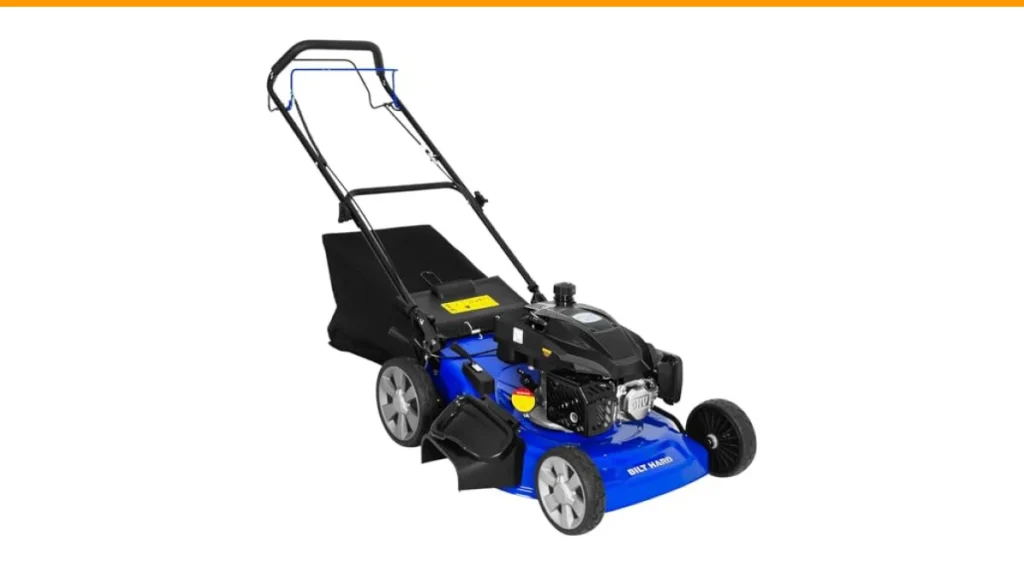
The engine is the heart of your lawn mower. You can have the sharpest blade and the sturdiest deck, but if the power plant is weak or unreliable, mowing becomes a chore. Most homeowners don’t realize that the engine brand and model matter more than the mower’s color or deck size. A good engine starts easily, runs smoothly, and lasts for years with basic care. A bad one leaves you stranded mid-lawn with a dead spark plug and a headache.
Choosing the right engine comes down to matching power output with your yard’s demands and understanding the physical compatibility with your mower deck. This isn’t just about buying the most expensive option. It is about finding the right balance between torque, displacement, and shaft type for your specific machine. Whether you need a replacement for an old push mower or you are evaluating a new self-propelled unit, the details matter.
We have analyzed the current market to bring you the best lawn mower engine options available. This guide covers replacement motors, complete mowers with robust power plants, and the essential maintenance products that keep engines running. We look at real-world performance, not just specs on paper. Our top pick combines reliable starting with strong torque, but we have alternatives for different needs and budgets. Read on to find out which engine deserves a spot in your garage.
Here is a quick comparison of the products we reviewed.
| Features | BILT HARD Mower | Aceup Energy Engine | STP Engine Oil | Husqvarna Toy Mower | Funhoon Control Cable |
|---|---|---|---|---|---|
| Best Use Case | Complete self-propelled mower | Replacement motor for push mowers | Maintenance for 4-cycle engines | Imaginative play for toddlers | Replacement throttle cable |
| Key Specification | 201cc OHV, 9.0 ft-lb torque | 173cc OHV, 4.4 HP | SAE 10W-30 synthetic blend | Ages 2-5, realistic sounds | 52 inch length, Z-bend ends |
| Primary Feature | Self-propelled rear-wheel drive | Cast iron cylinder liner | Fights thermal breakdown | Light-up engine sounds | Fits Craftsman & Husqvarna |
| Power Source | Gas, 4-cycle | Gas, 4-cycle | N/A (lubricant) | Battery (simulated) | N/A (replacement part) |
| Engine Brand | BILT HARD | Aceup Energy | STP | Husqvarna | Funhoon |
In this article
- BILT HARD Self-Propelled Mower
- Aceup Energy Vertical Shaft Engine
- STP Synthetic Blend Oil
- Husqvarna Toy Lawn Mower
- Funhoon Control Cable
- How We Chose These Products
- Buying Guide: What Really Matters
- The Big Four: Who Actually Makes the Best Engines?
- Engine Specs Decoded: What the Numbers Really Mean
- The Best Engine for Push Mowers vs. Riding Mowers
- Long-Term Ownership: Maintenance, Parts, and Cost of Repairs
- Fuel Matters: Ethanol, Stabilizers, and Engine Health
- Quick Decision Guide: Which Engine Should You Buy?
- Frequently Asked Questions
- The Bottom Line: Our Top Recommendation
BILT HARD Self-Propelled Mower

BILT HARD
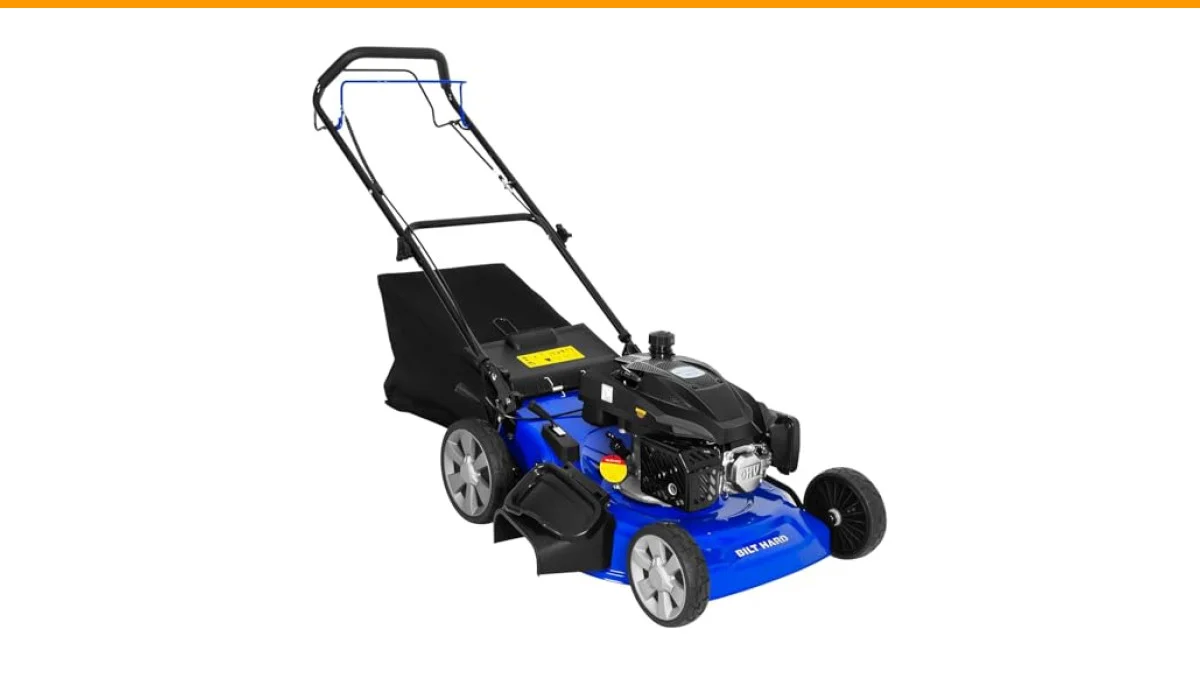
BILT HARD 21" Self Propelled Gas Lawn Mower – 201cc 4-Cycle OHV, 3-in-1 Bagging/Mulching/Side Discharge, 8 Adjustable Cutting Heights & Smooth Easy Start
- 3-in-1 Mowing Versatility This 21-inch self-propelled lawn mower offers three grass clipping options: mulching, rear bagging, and…
- Self-Propelled Functionality The self-propelled function helps move the mower forward, reducing the effort required to push it acr…
- Reliable Performance Powered by a robust 201cc 4-stroke OHV engine delivering 9.0 ft·lb of torque, this gas-powered mower provides…
This is a complete lawn mower package, not just a bare engine. The BILT HARD 21-inch self-propelled model is designed for homeowners with medium to large yards who want the convenience of a gas-powered machine without the hassle of a complicated starting procedure. It is a solid choice for someone who wants a reliable workhorse straight out of the box.
The 201cc OHV engine delivers 9.0 ft-lb of torque, which is substantial for a walk-behind mower. This power translates to real-world capability, allowing the mower to handle thick, damp grass without bogging down. The no-choke, no-primer design is a standout feature. You simply pull the cord and go, a feature that is genuinely appreciated on a cool morning. The self-propelled rear-wheel drive system helps on slopes and reduces the physical effort needed to push the mower across a large lawn.
There are trade-offs to consider. The single-speed self-propelled drive means you cannot adjust the ground speed to match your walking pace. Some users may find this limiting. The 3-in-1 steel deck is durable, but it adds weight to the unit. Also, this is a complete mower, so if you already own a mower with a sound deck, you might be paying for parts you do not need.
- Engine: 201cc 4-stroke OHV with 9.0 ft-lb torque
- Drive System: Rear-wheel drive, single-speed self-propelled
- Cutting Options: 3-in-1 (bag, mulch, side discharge)
- Height Adjustment: Single lever, 8 positions (1.2 to 3.75 inches)
- Deck: 21-inch steel cutting deck
Best for: Homeowners seeking a complete, easy-starting self-propelled mower with enough torque for tough grass.
Aceup Energy Vertical Shaft Engine

Aceup Energy
Aceup Energy Gas Engine Vertical Shaft, 4.4HP 173cc 4-Stroke OHV Gas Motor with Primer for Lawn Mower, EPA Compliant
- Shaft 7/8" diameter ,3.16" long, end tapped with 3/8"- 24 UNF; Keyway 3/16"
- Small gas engine motor with recoil start, enrichment pump drive with primer; Press red primer 3-5 times for first start or normal…
- Max torque 8.5 N.m/ 2500 RPM, Max load speed from 2500 to 2800 RPM, Max 4.4 HP 3600 RPM; 4 stroke air cooled OHV with recoil start…
The Aceup Energy 173cc engine is a direct replacement motor for many standard push mowers. It is for the DIY homeowner who has a mower deck in good shape but a worn-out engine. This unit is a practical solution to breathe new life into an existing machine without the cost of a brand-new mower.
This engine is built with longevity in mind. The cast iron cylinder liner and forged crankshaft are features usually found on more expensive engines. These components handle heat and stress better than aluminum-only constructions, which means this power plant is likely to last through many seasons. The primer system is straightforward. You press it a few times for a cold start, and it starts right up. The EPA compliance assures you it meets current emission standards.
Compatibility is the main hurdle with any replacement engine. You must verify that the 7/8-inch diameter shaft with a 3/16-inch keyway fits your mower deck’s blade adapter. The 3.16-inch shaft length is also a critical measurement. If your mower uses a different shaft specification, this engine will not work without significant modifications. It is a high-quality motor, but it is not universal.
- Displacement: 173cc, 4.4 HP at 3600 RPM
- Shaft: 7/8-inch diameter, 3.16-inch length, tapped 3/8-24 UNF
- Max Torque: 8.5 N.m at 2500 RPM
- Construction: Cast iron cylinder liner, forged crankshaft
- Start Type: Recoil start with primer
Best for: A budget-conscious homeowner with a solid mower deck who needs a durable replacement engine with a standard 7/8-inch shaft.
STP Synthetic Blend Oil

STP
STP Premium Synthetic Blend 4 Cycle Small Engine Oil, SAE 10w30 Motor Oil for Lawnmowers, Generators, Tractors, Snow Blowers, and More, 32 fl oz
- SAE 10W-30 MOTOR OIL FOR SMALL ENGINES: One 32 fl oz bottle of STP Premium Synthetic Blend 4 Cycle Small Engine Oil SAE 10W-30, fo…
- FIGHTS THERMAL BREAKDOWN: Antioxidants fight thermal breakdown to enhance oil durability, helping the SAE 10W-30 oil handle high t…
- PREVENTS BUILDUP: Detergents help keep small engine components clean and control carbon deposits, preventing buildup that can affe…
This STP oil is not an engine, but it is the single most important factor in engine longevity. It is for anyone who owns a 4-cycle lawn mower, generator, or tractor and wants to protect that investment. Using the correct oil is not optional; it is the foundation of reliable performance.
The 10W-30 synthetic blend formula is designed for all-weather use. It flows well in cooler temperatures for easier starts, yet it maintains its protective viscosity when the engine gets hot. The anti-wear technology is crucial because lawn mower engines run at high RPMs and generate significant friction. This oil also contains detergents that help keep carbon deposits from building up on valves and pistons, which is a common cause of performance loss over time.
The main issue for consumers is confusion. This oil is suitable for engines requiring SAE 30, but you should always check your owner’s manual for the manufacturer’s specific recommendation. Using the wrong viscosity, even a good synthetic, can lead to issues in extreme temperatures. It is a 32-ounce bottle, which is usually enough for one oil change with a little left over for top-ups.
- Type: SAE 10W-30 synthetic blend
- Capacity: 32 fluid ounces
- Application: 4-cycle small engines
- Key Additives: Anti-wear technology, antioxidants, detergents
- Benefit: Reduces oil consumption and thermal breakdown
Best for: Owners who want to extend the life of their small engine with a high-quality, all-season oil that prevents wear and buildup.
Husqvarna Toy Lawn Mower

Husqvarna
Husqvarna Toy Lawn Mower with Realistic Sounds and Light-Up Engine, Toddler Lawn Mower Toy for Ages 2 and Up
- LAWN MOWER TOY: Husqvarna Toy Lawn Mower looks and sounds like a real Husqvarna HU800 AWD mower and is perfect for budding profess…
- LIGHTS AND REALISTIC SOUNDS: Toddler lawn mower makes a real engine sound and has engine lights when the starter knob is pulled
- SIMPLE CONTROLS: These kids toys for boys and girls feature an on/off button for easy control
This Husqvarna toy is for the youngest members of the household. It is designed for toddlers aged 2 to 5 who want to mimic their parents. This toy is a gateway to getting kids interested in yard work and teaching them responsibility through play.
The toy stands out because of its realistic features. It mimics the look of the Husqvarna HU800 AWD model. When a child pulls the starter knob, it activates engine sounds and lights. This interactive element provides immediate feedback and keeps kids engaged. The on/off button gives parents control over the noise level, which is a practical feature.
The trade-off here is that this is a toy, not a real mower. It does not cut grass, and it is not meant to. Parents should also note that the sounds, while fun, can get repetitive. The 90-day warranty is standard for toys but is shorter than what you would see on outdoor power equipment.
- Age Range: Designed for ages 2 to 5 years
- Features: Realistic engine sounds and light-up engine
- Design: Looks like a real Husqvarna HU800 AWD
- Power: Requires battery for sound/lights (on/off switch)
- Warranty: 90-day limited warranty
Best for: Parents looking for a durable, interactive toy that encourages outdoor play and mimics the real mowing experience.
Funhoon Control Cable

Funhoon
Funhoon Control Cable 532176556 52 INCH for Craftsman Murray Husqvarna 176556 162778 Throttle Cable Engine Zone Control Cable Push Mower Walk-Behind Lawn Mowers
- 【Replace OEM Numbers: 】 176556, 532176556, 162778, 532162778; for murray lawn mower parts, for murray push mower parts, for murray…
- 【Specification: 】 Overall Length: approximately 52.04 inches; Conduit Length: approximately 45.35 inches; Cable Ends: "Z" bend on…
- 【Fits Models: 】 for Craftsman 917371750, 917371751, 917371880, 917371881, 917371890, 917371891, 917381050, 917386180, 917386181, 9…
The Funhoon control cable is a specific replacement part for the engine zone control on several mower brands. It is for the DIY mechanic who has diagnosed a broken throttle or speed control cable on their Craftsman, Murray, or Husqvarna walk-behind mower. This is a targeted fix for a common failure point.
This cable is built to match OEM specifications. The 52-inch overall length and the Z-bend ends are designed to fit specific models, ensuring a direct replacement without the need for custom fabrication. It is made from durable materials to resist rust and wear. If your mower’s cable is stretched, snapped, or stuck, replacing it with this part can restore smooth engine speed control and self-propelled operation.
Compatibility is the biggest risk. The product description lists hundreds of specific model numbers, but it does not fit every mower. You must check your mower’s model number against the list before purchasing. If you have a model not listed, this cable will likely not fit. It is a precise part for a specific job, not a universal solution.
- Replaces OEM: 176556, 532176556, 162778, 532162778
- Length: Approximately 52 inches overall
- Ends: Z-bend on both ends
- Compatibility: Select Craftsman, Murray, and Husqvarna models
- Material: Durable, rust-resistant construction
Best for: A homeowner with a compatible Craftsman or Husqvarna mower who needs a direct OEM replacement for a faulty engine control cable.
How We Chose These Products
We evaluated these selections based on the total cost of ownership, not just the sticker price. For engines, this means looking at the construction quality of internal components like cylinder liners and crankshafts. A cast iron liner, for instance, suggests a longer service life than a standard aluminum bore. We also considered how easy the engine is to maintain and whether parts are likely to be available in the future.
We prioritized user experience. An engine with a complicated starting ritual gets frustrating quickly. We looked for features like primer systems and no-choke designs that simplify operation. We also considered the physical compatibility of the parts. A great engine is useless if the shaft diameter is wrong for your deck. We included a complete mower, a replacement engine, and maintenance items to cover the full spectrum of buyer needs.
Buying Guide: What Really Matters
Before you buy any engine, measure your old one. The shaft diameter and length are non-negotiable. Most walk-behind mowers use a 7/8-inch or 3/4-inch diameter shaft. The rotation direction is also critical; most are clockwise when viewed from the top. If you get these wrong, the blade will not spin correctly or will not fit at all.
Consider the difference between brands. A brand like Honda or Kawasaki has a reputation for longevity, but they come at a premium. The engine brand matters, but the specific model matters more. A basic engine from a premium brand might have fewer features than a higher-tier engine from a budget brand. Look at the torque rating, not just the horsepower. Torque is what does the actual work of cutting thick grass.
Think about the fuel you will use. Ethanol-blended fuels can attract moisture and damage engine components over time. Using ethanol-free fuel is a smart practice. If you cannot find it, use a fuel stabilizer. This simple step prevents gum and varnish from clogging the carburetor, which is the number one reason small engines fail to start after winter storage.
If you are looking for a complete mower for a smaller yard, you might want to compare options in our small lawn guide. For those interested in battery alternatives, we have a separate battery mower review that compares them against gas models.
The Big Four: Who Actually Makes the Best Engines?
When you talk about lawn mower engines, four names dominate the market: Briggs & Stratton, Honda, Kawasaki, and Kohler. These are the manufacturers that build the power plants for most residential and commercial mowers. Each has its strengths, and understanding these can help you make a better choice.
Briggs & Stratton is the most common engine found on entry-level and mid-range mowers. They are generally affordable and parts are easy to find. Honda engines are known for their reliability and fuel efficiency. They often feature overhead valve (OHV) designs that run cooler and cleaner. Kawasaki engines are the workhorses of the commercial world, often found on high-end residential mowers. They are built to withstand heavy daily use. Kohler engines are similar to Kawasaki in reputation, offering robust performance and a long service life in demanding conditions.
Brand Reputation vs. Real-World Performance
Do not buy a mower just because it has a “Honda” sticker on the engine. The specific engine model determines performance. A small Honda engine on a push mower will not outperform a larger Briggs & Stratton engine on a self-propelled model. Look at the displacement (cc) and torque figures. A higher torque number usually means the engine can handle tougher conditions without stalling.
Consider the cost of repairs. In a riding mower, a Kawasaki engine might require a specialized mechanic, which can cost more per hour for labor. A Briggs & Stratton engine is often simpler to work on, potentially lowering your repair bills. For a homeowner, this factor can be as important as the initial purchase price.
Engine Specs Decoded: What the Numbers Really Mean
Most buyers get lost in the spec sheet. The two most important numbers are displacement (cc) and torque (ft-lb). Displacement is the total volume of all the cylinders. It is a rough indicator of power potential. Torque is the rotational force the engine produces. For cutting grass, torque is king. It is what keeps the blade spinning through thick patches.
Horsepower vs. Torque: Which Matters More for Cutting?
Horsepower is a calculation based on torque and RPM. It tells you how fast work is done. In a lawn mower, you do not need high top-end speed. You need consistent force to cut grass. A mower with high torque at lower RPMs will feel stronger and more efficient than one with high horsepower at screaming RPMs. When comparing engines, look for the torque figure, not just the HP number.
Shaft Size and Rotation: The Non-Negotiable Compatibility Check
This is the most common mistake when buying a replacement engine. The shaft must match your deck’s blade adapter. Measure the diameter of the old shaft with a caliper. The standard sizes are 7/8-inch and 3/4-inch. The shaft length is also critical; it must be long enough to engage the blade adapter but short enough to fit under the deck. Finally, check the rotation. Most vertical shaft engines rotate clockwise when viewed from the top. Using a wrong-rotation engine will throw grass in the wrong direction and could loosen the blade nut.
The Best Engine for Push Mowers vs. Riding Mowers
Push mowers use vertical shaft engines. The shaft points down to spin the blade directly. These engines are typically air-cooled and range from 140cc to 200cc. Riding mowers use larger engines, often with two cylinders. They may use a vertical shaft for the deck but often have a separate transmission. The power requirements are different, so you cannot swap an engine from a push mower onto a riding mower.
For a push mower, look for a lightweight engine with a primer or auto-choke for easy starting. For a riding mower, prioritize engine longevity and oil capacity, as these engines run longer and get hotter. If you are considering a mower for a sloped yard, you might need the extra traction of a self-propelled model. We have a guide on the best mowers for steep slopes that covers this scenario.
Long-Term Ownership: Maintenance, Parts, and Cost of Repairs
An engine is only as good as its maintenance schedule. Regular oil changes are vital. For most small engines, this means changing the oil after the first 5 hours of use, then annually or every 50 hours thereafter. Air filter cleaning is also critical. A dirty filter restricts airflow, causing the engine to run rich, which can foul the spark plug and increase fuel consumption.
Parts availability is a hidden cost. Engines from major brands have parts available at any hardware store. Off-brand engines might require you to order parts online and wait for shipping. This downtime can be frustrating in the middle of the mowing season. Stick with a name brand engine to ensure you can get a new air filter or carburetor kit quickly.
The labor cost for repairs is another factor. A simple carburetor clean might cost $50 in labor at a shop. A full engine rebuild is often not worth the cost on a push mower. It is usually cheaper to replace the entire engine. This is where a quality replacement like the Aceup Energy model makes sense, as it is often less expensive than a mechanic’s repair bill.
Fuel Matters: Ethanol, Stabilizers, and Engine Health
The fuel you put in your mower has a massive impact on its lifespan. Standard gasoline contains up to 10% ethanol. Ethanol is hygroscopic, meaning it absorbs water from the air. This water can separate from the gas and cause corrosion in the fuel system. It also leaves gummy deposits when it evaporates.
The solution is to use ethanol-free fuel if it is available in your area. It costs more per gallon, but it saves you money in repairs. If you must use standard fuel, add a fuel stabilizer to every tank. This chemical prevents the fuel from breaking down. Before storing your mower for the winter, run the engine with stabilized fuel for a few minutes to ensure the treated gas fills the carburetor. This simple practice prevents most spring starting issues.
Quick Decision Guide: Which Engine Should You Buy?
Start with your mower type. If you have a working deck, measure the shaft. If it is a standard 7/8-inch, a replacement engine is a viable option. If you are buying a new mower, look for one with an engine that has a cast iron sleeve for durability. The BILT HARD mower we reviewed is a strong choice for a complete package. If you need specific performance for a business, check out our recommendations for commercial mowers.
Ask yourself about the terrain. Does your yard have thick grass or is it mostly flat? If it is demanding, prioritize torque. If you have a small, flat lawn, a basic engine will suffice. Do not overbuy. A 200cc engine on a tiny lawn is just extra weight and fuel consumption.
Finally, consider the maintenance products. Buying a high-quality oil like the STP option we reviewed is a small investment that pays off in engine longevity. Skipping oil changes to save a few dollars will lead to premature engine failure, which is a costly mistake.
Frequently Asked Questions
How long should a lawn mower engine last?
With proper maintenance, a standard residential engine can last 500 to 700 hours of use. For a typical homeowner who mows for one hour a week during the season, this translates to 10 to 15 years. Engines with cast iron cylinder liners, like the Aceup Energy, are built to last longer than those with plain aluminum bores.
Is it better to repair or replace a lawn mower engine?
If the engine has a blown head gasket or a cracked block, replacement is usually the better option. If it is a simple issue like a clogged carburetor or a dead spark plug, repair is cheaper. As a rule of thumb, if the repair cost exceeds half the price of a new engine, you should replace the engine.
Can I use car motor oil in my lawn mower?
You can, but it is not recommended. Car oils often contain friction modifiers that are not needed in air-cooled engines. Small engines run hotter and at higher RPMs than car engines. Oils like the STP 10W-30 are formulated specifically for these conditions, providing better thermal stability and wear protection.
Why does my mower engine smoke when I start it?
A small puff of blue smoke on a cold start is often just oil seeping past the valve seals when the engine is off. If it smokes constantly while running, it could be worn piston rings. White smoke usually indicates a coolant leak (if water-cooled) or condensation burning off. Black smoke means the air filter is dirty and the engine is running too rich.
The Bottom Line: Our Top Recommendation
For most homeowners, the BILT HARD 21″ Self-Propelled Mower is our top pick. It offers a complete package with a robust 201cc engine that delivers 9.0 ft-lb of torque. The no-choke, no-primer starting is a genuine convenience that you will appreciate every time you mow. It provides the power needed for larger yards and the self-propelled drive reduces operator fatigue.
If you are looking to replace an engine on an existing mower, the Aceup Energy 173cc is the runner-up. It offers professional-grade internal components like a cast iron liner and forged crankshaft at a price that is often lower than a repair bill. Just be sure to verify the shaft dimensions before ordering.
Remember to pair any engine with a high-quality oil like the STP Synthetic Blend to maximize its lifespan. The engine is the most expensive part of your mower, so protecting it with proper lubrication is not optional. It is the cheapest insurance you can buy for your equipment.


