
You’ve seen those glossy photos of strawberries dangling from a countertop garden. The reality? Strawberry seeds are tiny, slow, and stubborn. Most people give up before the first true leaf appears. But with the right pod kit and a little patience, you can harvest berries in your kitchen.
A good hydroponic strawberry seed pod kit solves three problems: seed quality, system fit, and germination support. It should include fresh, viable seeds, sponges that hold moisture without drowning roots, and domes that keep humidity high. Compatibility matters too. A pod that wobbles in your AeroGarden or IDOO system won’t wick water properly.
This guide focuses on one standout kit that covers the basics well: the HiHOYA 8-pod seed pod kit. It’s not a strawberry-only product, but it includes strawberry seeds and works with most major systems. We’ll walk through setup, germination timelines, pollination, and the mistakes that kill young plants. By the end, you’ll know if this kit fits your setup.
Here’s a quick look at the key specs before we dig into the details.
| Features | HiHOYA 8-Pod Kit |
|---|---|
| Pod count | 8 grow sponges and baskets |
| Seed varieties | 6 types including strawberry |
| System compatibility | Most major brands |
| Sponge material | Natural peat |
| Extras included | Domes, labels, tweezers, nutrients |
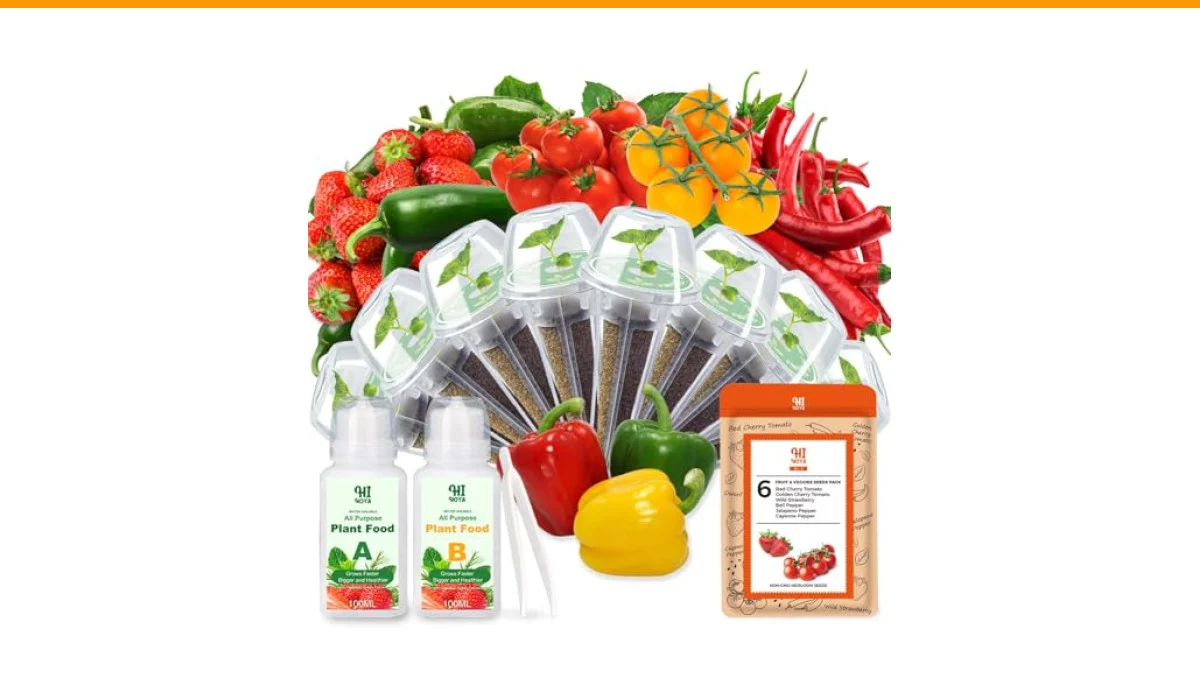
HiHOYA 8-Pod Seed Pod Kit
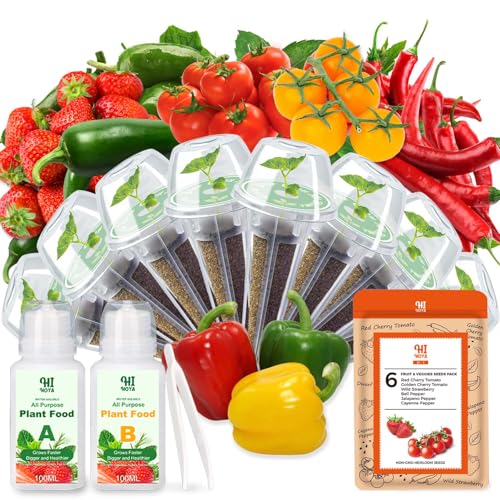
HiHOYA
Strawberry Seed Pods for All Hydroponics Growing System, 8 Pods with 600+ Seeds of Cherry Tomato, Jalapeno Pepper, Cayenne Pepper, Strawberry and Bell Pepper
- Heirloom Non-GMO Seeds: The seeds in garden starter kit contains approximately 600 easy grow fruit & veggies gardening seeds, incl…
- Compatible with All Brands: The HiHOYA seed pod kit is designed to fit seamlessly with most hydroponics growing systems, including…
- One Kit for All Your Needs: This grow-anything seed pod kit is a comprehensive refill set, perfect for use in any indoor garden sy…
This kit suits anyone who already owns a hydroponic system and wants to try strawberries without buying a dedicated strawberry kit. You get 8 pods, 6 seed varieties, and the small tools that make planting less messy. The seed count hovers around 600, so you have plenty of chances if germination is uneven. It’s ideal for a beginner who wants a mixed indoor garden, not just berries.
The standout feature is the variety pack. You’re not locked into strawberries alone. Cherry tomatoes, jalapenos, and bell peppers round out the selection, which means you can fill your system with a mix of fruiting plants. The peat sponges hold water well and resist compaction. The domes create a humid microclimate, which strawberry seeds need for consistent sprouting. The included tweezers help you place tiny seeds without burying them too deep.
One trade-off: strawberry seeds in this kit are not a named variety. You won’t know if they’re alpine, everbearing, or a random mix. That matters because alpine types stay compact and everbearing types send out runners. Also, the kit doesn’t include a dedicated strawberry-specific nutrient schedule. You’ll need to adjust your system’s feeding routine once flowers appear. And germination can take 2 to 4 weeks, which feels slow if you’re used to lettuce.
- Includes 8 grow sponges, baskets, domes, labels, and tweezers
- 600+ seeds across 6 fruit and vegetable varieties
- Fits AeroGarden, IDOO, GARDENCUBE, MUFGA, and similar systems
- Peat sponges balance oxygen and water for roots
- Reusable plastic baskets and domes
Best for: The indoor gardener who wants a versatile refill kit with strawberry seeds included and doesn’t mind a little guesswork on variety.
How We Chose These Products
We looked at what actually helps strawberries germinate and fruit in a pod system. Seed viability, sponge quality, and system fit topped the list. A kit with great seeds but poor sponges will still fail. We also checked whether the kit includes domes, which are non-negotiable for strawberry germination. Nutrient starter packs and labels are nice extras, but they don’t make or break the grow.
Compatibility was the second filter. Many pods claim universal fit, but strawberry roots need space. We favored kits with baskets that allow deep root growth. Finally, we considered value: how many pods, how many seeds, and whether you can reuse the hardware. The HiHOYA kit scored well on all three, though the lack of a named strawberry variety kept it from a perfect score.
Buying Guide: What Really Matters
Strawberry seeds are not like basil seeds. They need light to germinate, so you should press them into the sponge surface, not bury them. A kit that includes domes helps maintain humidity, which speeds up sprouting. Without a dome, you’ll be misting constantly. Look for sponges made from peat or rockwool. Peat holds moisture longer and resists mold better in my experience.
Pod count matters less than pod depth. Strawberry roots can reach 6 inches or more in a hydroponic system. Shallow baskets stunt growth. Check the basket height before you buy. Also, consider the seed variety. Alpine strawberries stay small and produce tiny, flavorful berries. Everbearing types give larger fruit but need more space. Pineberries are a novelty with a pineapple-like taste, but they’re finicky. If the kit doesn’t specify variety, assume it’s a generic everbearing type.
Nutrient dosing trips up many growers. Strawberries prefer a slightly acidic pH, around 5.5 to 6.5. Most hydroponic nutrient solutions work, but you’ll need to dilute them more than you would for lettuce. Overfeeding causes leaf burn and poor fruit set. Start with half the recommended dose once flowers appear.
Frequently Asked Questions
How long do strawberry seeds take to germinate in a pod?
Most varieties sprout in 14 to 28 days. Alpine types can take up to 30 days. Keep the dome on and maintain temperatures around 65-75°F. If nothing appears after 4 weeks, the seeds may be too old or the sponge stayed too wet.
Do I need to hand-pollinate strawberries indoors?
Yes. Indoor gardens lack wind and bees. Use a small paintbrush or cotton swab to transfer pollen from flower to flower. Do this every other day when blooms open. Without pollination, flowers drop and no berries form.
Can I use this kit in an AeroGarden?
The HiHOYA pods fit most AeroGarden models, but check the basket diameter. Some older AeroGarden models use a slightly wider basket. The kit’s domes may not snap onto all systems, but they usually rest on top.
Why are my strawberry leaves turning brown?
Brown edges often mean nutrient burn or low humidity. Flush the system with plain water for a day, then resume with half-strength nutrients. If the room is dry, run a small humidifier nearby. Also check for algae on the sponge surface, which can block oxygen.
Our Top Recommendation
The HiHOYA 8-pod seed pod kit is the clear pick for most people. It covers the essentials: quality peat sponges, domes, and a generous seed count. The variety pack lets you experiment without buying separate seed packets. It’s not a dedicated strawberry kit, and the variety is unnamed, but for the price of a refill pack, you get a full season of growing potential. If you want a strawberry-only kit with named varieties, you’ll need to look at specialty suppliers. For everyone else, this kit gets you started with minimal fuss.
Just remember: strawberries reward patience. Give them light, hand-pollinate, and don’t overfeed. You’ll be picking berries before you know it.
