
You’ve spent a weekend fighting the same patch of clay with a shovel. The ground is compacted, the weeds keep coming back, and your back is telling you there has to be a better way. A heavy duty tiller solves this problem, but only if you pick the right one for your soil and your body.


A tiller that works well in loose loam will choke on hard clay. A machine that’s easy to maneuver in a raised bed will struggle on half an acre of new ground. Engine size, tine rotation direction, transmission build, and handle ergonomics all matter more than the sticker on the box. The wrong choice means fighting the machine as much as the soil.
We looked at five tillers that cover the full range, from a compact 2-stroke unit for small plots to a rear-tine beast built for breaking new ground. The Earthquake Victory stands out as the best overall pick for serious gardeners, while the BILT HARD offers the best balance of power and price for most home growers. Here’s how they compare.
This table breaks down the specs that actually separate these machines.
| Features | BILT HARD 46cc | EARTHQUAKE Victory 209cc | LawnMaster TE1216M | Baotree 72CC | CKLT 66in Rotary |
|---|---|---|---|---|---|
| Engine Type | 46cc 4-cycle gas | 209cc 4-cycle Viper | 12-amp electric corded | 72cc 2-cycle gas | Manual push tool |
| Tilling Width | 16 inches | 16 inches | 16 inches | 10 inches | Not specified |
| Tilling Depth | 8 inches | 10 inches | 9 inches | 5 inches | Surface level |
| Tine Design | 6 steel forward blades | Counter-rotating tines | 6 steel blades | Not specified | Tempered spring steel stars |
| Best Use Case | Mid-size gardens, mixed soil | Hard clay, new ground | Small beds, light soil | Quick touch-ups, small plots | Raised beds, weeding |
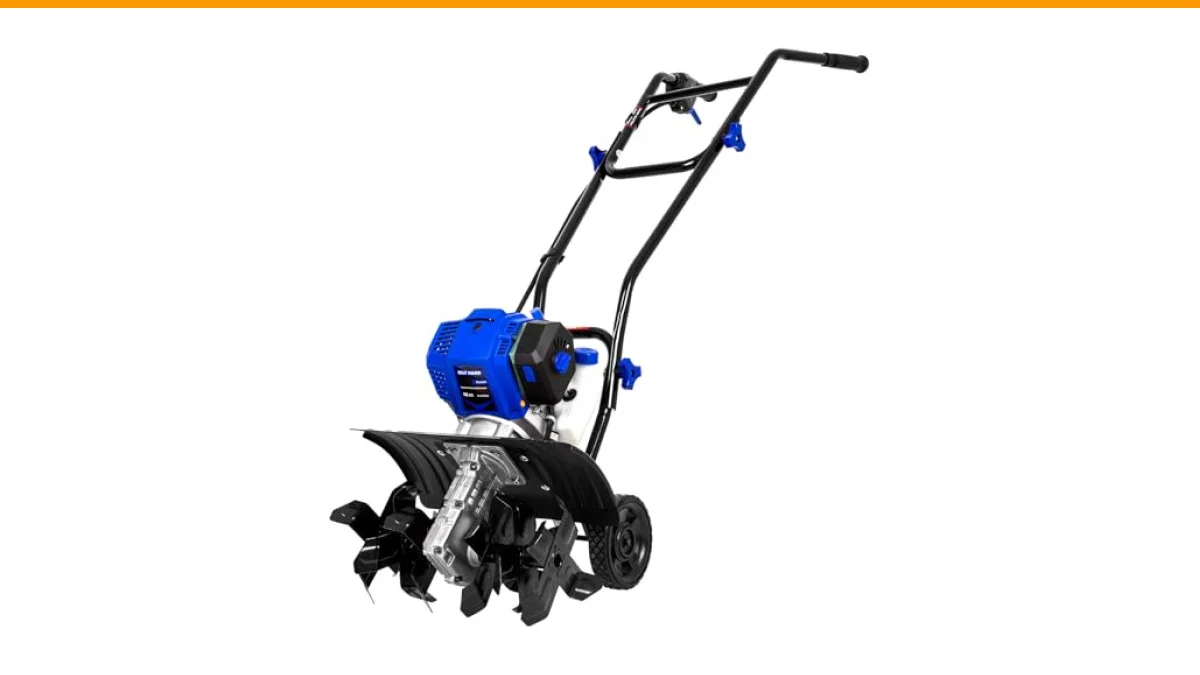
BILT HARD 46cc 4-Cycle Tiller

BILT HARD
BILT HARD 46cc 4-Cycle 1.9HP Gas Powered Tiller Cultivator - 16" Heavy-Duty Steel Tines Rototiller, Adjustable Wheels & Cushioned Handle Grips for Plowing, Tilling, Weeding in Garden, Farm
- Powerful 46cc 4-Stroke Engine: Powered by a 46cc four-cycle gas engine with maximum power of 1,400W and a blade speed of 250 RPM,…
- Up to 7.84-inch tilling depth: With a maximum tilling depth of 7.84 inches (200 mm), this gas-powered garden cultivator helps loos…
- Adjustable Working and Transport Wheels: The adjustable wheels offer two positions for working and transport. Select the appropria…
The BILT HARD 46cc is a mid-weight gas tiller aimed at home gardeners who want real engine power without the bulk of a rear-tine machine. It suits vegetable plots, flower beds, and small orchards where you need to turn soil two or three times a season. The 4-cycle engine runs on straight gasoline, so you’re not mixing oil and fuel every time you fill up.
What stands out is the one-hand control panel. Thumb throttle and power switch sit together, which means you can keep one hand on the handlebar and still adjust speed. The 16-inch width and 8-inch depth handle most established garden beds without a second pass. Six forward-rotating steel tines plus four angled tines break clumps into a finer texture than you’d expect at this engine size. The foldable handles are a small thing, but they make a real difference if your shed is tight on space.
The honest downside: this is a front-tine tiller, and front-tine machines pull themselves forward. On hard, unbroken clay, you’ll be wrestling it more than steering it. It also won’t cut through sod or virgin ground the way a counter-rotating rear-tine unit will. If your soil is already worked or you’re maintaining an existing bed, it’s fine. If you’re breaking new ground, look at the Earthquake instead.
- 46cc 4-stroke engine, no fuel mixing required
- 16-inch working width, 8-inch tilling depth
- Single-hand throttle and power control panel
- Automatic reset choke and compression release for easier starts
- Foldable handles for compact storage
Best for: Home gardeners with established beds who want gas power and simple maintenance without rear-tine weight.
EARTHQUAKE Victory Rear Tine Tiller
The Earthquake Victory 39381 is the serious machine in this group. A 209cc Viper engine paired with a cast-iron transmission and bronze gears puts it in a different class from the other tillers here. It’s built for gardeners who need to break new ground, work heavy clay, or till a large plot every season. If you’ve burned out a lighter tiller on tough soil, this is the upgrade.
Counter-rotating tines are the headline feature. They spin opposite the wheels, which means they dig into compacted ground instead of bouncing over it. That’s the difference between a machine that tills and a machine that just skims the surface. The Instant Reverse handle lets you back out of tight spots near fences or between rows without shifting gears. A 3-position adjustable handlebar accommodates different heights, and you can run it one-handed if you want to keep your footprints out of the seedbed. The drag stake keeps tilling speed steady at depth.
Nothing about this tiller is light. It’s heavy, it’s expensive compared to the others here, and it needs regular maintenance on the transmission to last. The 209cc engine also burns more fuel than smaller units. But for hard ground, there’s no substitute for weight and counter-rotation. If you’re tilling a small raised bed once a year, this is overkill. For more on rear-tine options, see this rear tine tiller guide.
- 209cc 4-cycle Viper engine
- Counter-rotating tines for hard, compacted soil
- Cast-iron transmission with bronze gears
- Instant Reverse for tight spaces
- 16-inch width, up to 10-inch depth with adjustable drag stake
Best for: Serious gardeners breaking new ground or working heavy clay who need a machine built to last decades.
LawnMaster TE1216M Electric Tiller
The LawnMaster TE1216M is the corded electric option, and it earns its place for a specific buyer: someone with a small garden, light-to-medium soil, and no interest in engine maintenance. A 12-amp motor drives six rust-resistant steel blades through a two-stage gearbox with an anti-clock mechanical clutch. There’s no gas, no oil, no pull cord, and no fumes.
The 16-inch cutting width and 9-inch depth are respectable for an electric unit. The adjustable transit wheel has three positions, which helps when moving the tiller between beds. For raised beds, small vegetable patches, and flower borders where the soil has been worked before, this machine does the job quietly and starts every time. The mechanical clutch protects the gearbox if the blades hit a rock.
Here’s the catch. It’s corded, so you’re limited by the length of your extension cord and you need a nearby outlet. The 12-amp motor also lacks the torque of a gas engine, so hard clay or virgin ground will stall it. And you can’t take it to a remote plot with no power. For what it is, though, it’s a sensible choice for the right garden. Pair it with a garden tool organizer to keep the cord and accessories tidy.
- 12-amp electric motor, corded
- 16-inch width, 9-inch depth
- Six rust-resistant steel blades
- Two-stage gearbox with anti-kick clutch
- Three-position adjustable transit wheel
Best for: Small-garden owners with light soil and a nearby outlet who want zero engine maintenance.
72CC Gas Tiller Cultivator
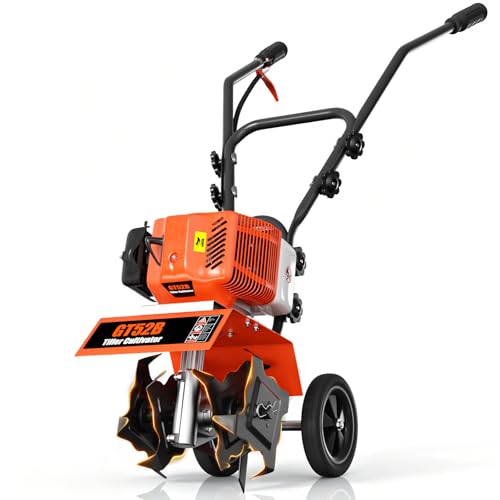
Baotree
72CC Gas Tiller Cultivator,2 Stroke Gasoline Powered Rototiller,1.5KW 7500RPM,10in Working Width 5in Working Depth, Heavy Duty Garden Tiller for Lawn Yard Soil Cultivation (Orange)
- Equipped with premium 2-stroke gasoline engine, rated power up to 1.5KW and 7500r/min high rotating speed, delivers strong stable…
- Comes with 3 gears adjustable height, you can freely adjust the machine height according to your height and terrain, reduce waist…
- Features 10in ultra-wide working width and 5in maximum working depth, covers more soil area in one pass, turns over deep root soil…
The Baotree 72CC is a compact 2-stroke tiller for quick jobs. It weighs less than the gas 4-stroke units here and covers a 10-inch width at 5-inch depth. That smaller footprint makes it handy for narrow rows, between plants, and small plots where a full-size tiller won’t fit. The 1.5KW engine spins at 7500 RPM and delivers decent power for its size.
Three adjustable height positions let you set the machine to your frame, which reduces back strain on longer jobs. Stepless speed control from 0 to 0.25 m/s lets you match the pace to soil hardness, which is a nice touch for beginners. It runs on regular gasoline, and the fuel-saving design keeps running costs low for occasional use.
Two things to know before buying. It’s a 2-stroke, so you’ll be mixing oil and gas, which some people find annoying. The 5-inch depth also limits it to surface cultivation. It won’t break new ground or reach deep root zones. Treat it as a lightweight cultivator, not a heavy duty tiller, and it makes sense. Expect it to need more frequent engine attention than a 4-stroke.
- 72cc 2-stroke engine, 1.5KW at 7500 RPM
- 10-inch width, 5-inch depth
- Three adjustable height positions
- Stepless speed control from 0 to 0.25 m/s
- Runs on regular gasoline with low fuel consumption
Best for: Gardeners with small plots or tight rows who need a light, maneuverable cultivator for surface work.
CKLT 66in Rotary Cultivator

CKLT
CKLT 66in Rotary Cultivator Garden Tool with Tempered Spring Steel Tines | Adjustable Stainless Steel Handle Manual Hand Tiller for Gardening, for Loosening Soil, Mixing Fertilizer, Garden Beds
- Sturdy Spring Steel Blades: Crafted from tempered spring steel, the rotary blades offer outstanding strength and flexibility—resis…
- Efficient Star-Shaped Tines: Featuring multi-angled, serrated star wheels, this cultivator bites deep into compacted soil, loosens…
- 66-Inch Adjustable Stainless Steel Handle: The full tool length extends to 66 inches and includes a 4-section detachable stainless…
The CKLT 66in Rotary Cultivator isn’t a powered tiller at all. It’s a manual push tool with tempered spring steel star tines on a 66-inch stainless steel handle. That puts it in a different category, and it’s here because plenty of gardeners don’t need an engine. For raised beds, box gardens, flower borders, and vegetable plots, a manual rotary cultivator does the job without fuel, cords, or maintenance.
The star-shaped tines are the reason it works. Multi-angled serrated wheels bite into compacted soil and loosen it as you push and pull. The tempered spring steel resists bending, so it holds up season after season. The handle breaks into four sections, which makes it easy to store and lets you set the length to your height. The rubber grip and rust-resistant powder coating round out a tool built for repeat use.
Be realistic about the limits. This is manual labor, and on hard clay or rocky ground it’s slow going. The product notes recommend removing larger rocks and lightly watering the soil first, which tells you it’s not a brute-force tool. It also won’t till deep. If you want to turn over a large plot or break virgin ground, you need an engine. But for maintaining beds and mixing in compost, it’s genuinely useful.
- Manual push cultivator, no engine or power needed
- Tempered spring steel star tines resist bending
- 66-inch handle, four detachable stainless steel sections
- Ergonomic rubber grip
- Rust-resistant black powder coating
Best for: Raised-bed and small-plot gardeners who want a low-maintenance manual tool for weeding and loosening soil.
How We Chose These Products
We started with engine and power type, because that single factor decides what soil a tiller can handle. Gas 4-stroke, gas 2-stroke, electric, and manual tools all solve different problems, so we made sure the list covered each category rather than stacking it with one type. Tilling width and depth came next, since those numbers tell you how many passes a job will take.
Tine design and transmission build separated the serious machines from the light-duty ones. Counter-rotating tines and cast-iron gearboxes are worth paying for if you work hard ground. We also weighed ergonomics, storage, and maintenance demands, because a tiller you dread using is a tiller that sits in the shed. Every pick here has a clear reason to exist, and we flagged the trade-offs instead of hiding them.
Buying Guide: What Really Matters
Match the machine to your soil first. Loose loam and previously worked beds are fine with a front-tine or electric tiller. Hard clay, compacted ground, and new plots need counter-rotating tines and a heavier engine. Buying a light tiller for heavy soil is the most common mistake, and it’s an expensive one.
Look at depth as well as width. An 8-inch depth handles most vegetable gardens. A 10-inch depth reaches deeper root zones and does a better job on new ground. Width affects how many passes you make, but a wider machine is also heavier and harder to maneuver in tight spaces. Think about where you’ll actually use it.
Don’t overlook the boring stuff. A 4-stroke engine saves you from mixing fuel. A corded electric tiller ties you to an outlet. A manual tool saves maintenance but costs you sweat. Handle adjustability matters if you’re tall or short, and foldable or detachable handles matter if storage is tight. Pick based on how you’ll use it, not on the biggest spec sheet.
For related heavy-duty garden gear, a heavy duty weed eater pairs well with any tiller for cleanup around the plot.
Our Top Recommendation
The Earthquake Victory 39381 is the best heavy duty garden tiller here, and it’s not close for hard ground. Counter-rotating tines, a 209cc Viper engine, and a cast-iron transmission with bronze gears make it the only machine in this group built to break new ground and last for years. It costs more and weighs more, but it does work the others can’t.
For most home gardeners, the BILT HARD 46cc is the smarter buy. It handles established beds, starts easily, needs no fuel mixing, and costs far less than the Earthquake. If your soil is already workable, it’s all the tiller you need. On a tight budget or with a small bed, the LawnMaster electric and the CKLT manual tool both earn their keep. The Baotree 72CC is the pick for narrow rows and quick touch-ups.
Frequently Asked Questions
Do I need a rear-tine tiller or is a front-tine model enough?
It depends on your soil. Front-tine tillers work fine on soil that’s been tilled before. For hard clay, compacted ground, or new plots, a rear-tine counter-rotating model like the Earthquake does a far better job. Front-tine machines tend to bounce over hard ground instead of cutting into it.
Can an electric tiller handle the same jobs as a gas one?
Not quite. Electric tillers like the LawnMaster work well in small beds with light-to-medium soil, and they start instantly with no maintenance. But they lack the torque for hard clay or virgin ground, and a corded model limits your range. Gas engines win on raw power and portability.
How deep should a heavy duty tiller go?
Eight to ten inches covers most vegetable and flower gardens. Shallow cultivators that only reach 5 inches are fine for weeding and mixing compost into the top layer, but they won’t break up a compacted subsoil layer or prepare ground for deep-rooted crops.
Is a 2-stroke or 4-stroke engine better for a tiller?
4-stroke engines run on straight gasoline, so there’s no oil mixing and they generally last longer with less fuss. 2-stroke engines are lighter and simpler but require pre-mixed fuel and tend to need more maintenance. For a tiller you’ll use often, a 4-stroke is usually the better call.


