
A lawn with a half-inch of thatch feels spongy when you walk on it. Water beads up instead of soaking in, fertilizer sits on top, and the grass starts looking thin and tired. A dethatcher fixes that, and a gas one means you’re not dragging a cord across a half-acre.


Most gas dethatchers on the market share the same core formula: a 212cc four-stroke engine, a 16-inch working width, and interchangeable cassettes for scarifying or aerating. The differences that matter are depth control, bag size, build quality, and how much you’ll actually use the aerator head. If your lawn is under a quarter-acre, an electric model might serve you better and cost less.
We looked at three gas models and two electric alternatives. The Bofoluer and ALYIAMXL are near-identical twins with one key distinction. The Hoopoocolor adds an EPA-certified engine. The WEN and Westinghouse electrics are here for smaller lawns and lighter thatch. Here’s how they stack up.
Quick comparison of the key specs that separate these machines.
| Features | Bofoluer 2-in-1 | ALYIAMXL 2-in-1 | Hoopoocolor 16in | WEN DT1516 | Westinghouse 16″ |
|---|---|---|---|---|---|
| Power Source | 212cc gas, 7HP | 212cc gas, 7HP | 212cc gas, 7HP | 15-amp corded electric | 15-amp corded electric |
| Working Width | 16 inches | 16 inches | 16 inches | 16 inches | 16 inches |
| Depth Settings | 5 positions, -0.6 to +0.6 in | 5 positions, -0.6 to +0.6 in | 5 positions, -0.6 to +0.6 in | 5 positions, +0.25 to -0.5 in | 5 positions, -0.5 to +0.25 in |
| Collection Bag | 13.2 gallons | 13.2 gallons | 13.2 gallons | Detachable bag | 14.5 gallons |
| Best Use Case | Large yards, thick thatch | Large yards, thick thatch | Large yards, EPA compliance | Small yards, light thatch | Medium yards, easy storage |
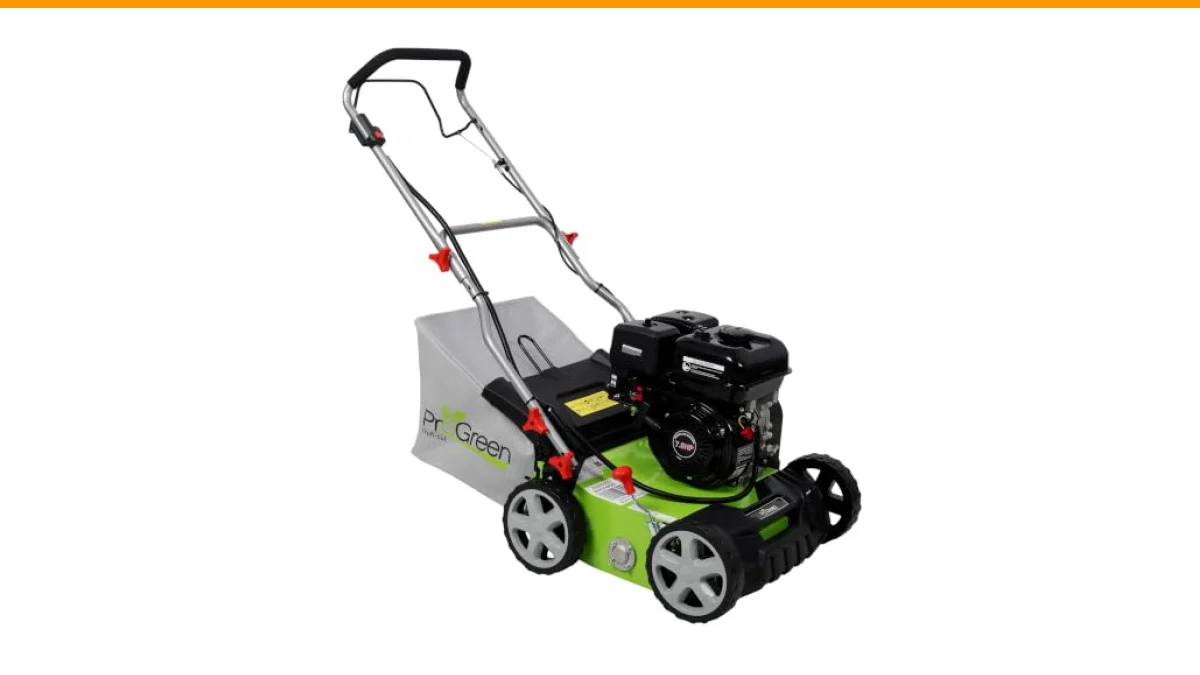
Bofoluer 2-in-1 Gas Scarifier

Bofoluer
2-in-1 Gas Lawn Scarifier & Dethatcher,16" Working Width,7HP 212cc 4‑Stroke | EPA‑Certified Gasoline Engine, Height Adjustable,13.2 Gallon Collection Bag
- 2-IN-1 SCARIFIER & AERATOR: Tool‑free interchangeable cassettes switch between scarifying and dethatching to clear moss, thatch an…
- POWERFUL 212cc GAS ENGINE: Equipped with a high-performance 4-stroke 212cc engine delivering 4.5KW power, this lawn scarifier prov…
- 5‑Position Central Height Adjustment: Single‑lever control offers 5 depth settings from ‑0.6 in to +0.6 in, letting you customize…
The Bofoluer is a 212cc gas dethatcher aimed at homeowners with medium to large lawns and serious thatch buildup. It’s not a toy for a postage-stamp yard. This machine wants work.
What sets it apart is the tool-free cassette system. You swap between the scarifying head and the aerating head without hunting for wrenches. The 5-position central lever adjusts depth from -0.6 to +0.6 inches, which covers everything from a light spring raking to a deep fall scarification. The 13.2-gallon bag catches most of what the tines pull up, so you’re not raking twice.
The trade-off is weight and maintenance. Gas engines need oil changes, spark plugs, and fresh fuel. If you’re not comfortable with basic small-engine upkeep, this will feel like a chore. It’s also heavier than any electric model, and maneuvering it around tight flower beds takes some muscle.
- 212cc four-stroke engine producing 4.5KW (about 7HP)
- 16-inch working width with a 1-gallon fuel tank
- Tool-free cassette swap between scarifier and aerator
- 5 depth settings from -0.6 to +0.6 inches
- 13.2-gallon debris bag reduces emptying stops
Best for: Homeowners with a half-acre or more of established lawn who want a gas machine that handles both dethatching and aerating without buying two tools.
ALYIAMXL 2-in-1 Dethatcher
The ALYIAMXL is essentially the same machine as the Bofoluer with a different badge. Same 212cc engine, same 16-inch path, same 13.2-gallon bag, same depth range. The difference comes down to availability and minor cosmetic details.
Its strongest selling point is the straightforward design. There’s no digital display, no app connectivity, no learning curve. You add gas and oil, pull the cord, and go. The interchangeable cassettes click in without tools, and the central depth lever is easy to reach from the handle. For a first-time gas dethatcher buyer, that simplicity matters.
One honest limitation: the included documentation is thin. You’ll need to figure out the correct oil type and fuel mix on your own. And like any gas tool, it’s loud. Neighbors will know you’re working. If noise is a concern, an electric model is quieter.
- 212cc four-stroke engine rated at 7HP
- 1-gallon fuel tank for longer run times
- 5-position depth control from -0.6 to +0.6 inches
- 16-inch working width with 13.2-gallon collection bag
- Requires 0.6L engine oil and gasoline before first use
Best for: Buyers who want a no-frills gas dethatcher and aerator combo and don’t mind doing a little research on engine maintenance.
Hoopoocolor 16in Gas Scarifier
Hoopoocolor’s entry into this category matches the Bofoluer and ALYIAMXL on nearly every spec. The 212cc engine, 7HP output, 16-inch width, 5-position depth control, and 13.2-gallon bag are all identical. What separates it is the EPA-certified engine and a stated commitment to US-based support.
That EPA certification matters if you live in a state with strict emissions rules. It also suggests the engine meets a baseline quality standard. The steel frame feels solid, and the 16-inch path covers ground quickly on large lawns. The 5-step height adjustment runs from -0.6 to +0.6 inches, giving you the same range as the other gas models.
Availability is the catch. This model is listed as scarce, so it may go out of stock. The price also tends to run slightly higher than the near-identical competitors. You’re paying a small premium for the EPA badge and the support promise.
- EPA-certified 212cc four-stroke engine
- 7HP (4.5KW) output for tough thatch conditions
- Tool-free cassette changes between scarifying and aerating
- 16-inch working width with rugged steel construction
- US-based customer support team
Best for: Shoppers in emissions-regulated states who want a gas dethatcher with certified compliance and accessible after-sales help.
WEN DT1516 Electric Dethatcher
The WEN DT1516 is the odd one out here because it’s electric, not gas. But it belongs in this conversation for one reason: many people searching for a gas dethatcher actually have a lawn small enough that electric makes more sense.
The 15-amp motor spins at up to 3300 RPM and drives a 16-inch clearing path. The dethatching head uses 24 steel tines, while the scarifying head has 20 blades. Depth adjusts across five positions from +1/4 to -1/2 inch. The detachable bag catches clippings, and an automatic overload shutdown protects the motor if you hit a rock or root.
The obvious limitation is the cord. You’ll need an outdoor extension cord long enough to reach your whole lawn, and you’ll be managing that cord while you work. For lawns over a quarter-acre, the cord becomes a genuine hassle. But for smaller yards, the lack of gas, oil, and engine maintenance is a real advantage.
- 15-amp electric motor, up to 3300 RPM
- 24 steel tines for dethatching, 20 blades for scarifying
- 5-position depth adjustment from +1/4 to -1/2 inch
- Automatic overload shutdown protects the motor
- Two-year warranty
Best for: Homeowners with small to medium lawns who want dethatching power without gas engine maintenance.
Westinghouse 16″ Electric Dethatcher
Westinghouse brings brand recognition and a few practical upgrades to the electric dethatcher format. The 15-amp motor runs up to 3500 RPM, slightly faster than the WEN. The 14.5-gallon bag is larger than most gas models in this roundup, which means fewer stops to empty.
At 29.5 pounds, it’s light enough to push with one hand on flat ground. The folding handle and center carry handle make storage easy, which matters if you don’t have a dedicated shed. Depth adjusts across five settings from -0.5 to +0.25 inches, and the handle has three height positions for comfortable control.
The cord is still the cord. And like the WEN, it’s not ideal for large properties. But for a suburban lot with a quarter-acre or less, the combination of low weight, large bag, and zero engine maintenance is hard to beat. The two-year warranty and lifetime technical support add peace of mind.
- 15-amp motor with up to 3500 RPM
- 24 spring tines and 20-blade scarifier head
- 14.5-gallon collection bag, 29.5-pound total weight
- 5 depth settings from -0.5 to +0.25 inches
- Folding handle and center carry handle for storage
Best for: Suburban homeowners who want a lightweight, easy-to-store dethatcher and don’t mind running an extension cord.
How We Chose These Products
We started with the core requirements: a gas engine, a working width wide enough to cover ground efficiently, and a depth adjustment system that actually changes the tine depth. Models with vague or non-existent depth specs got cut. We also looked for interchangeable cassettes, since a dethatcher that can’t aerate is half a tool.
From there, we compared bag capacity, fuel tank size, and build materials. A 13.2-gallon bag is the practical minimum for a gas machine, because smaller bags mean constant emptying. Steel frames got preference over plastic. We also factored in availability and whether the brand offers any support. Electric models made the list because many buyers searching for gas dethatchers actually have lawns where electric is the smarter choice.
Buying Guide: What Really Matters
Engine size is the first thing to check. A 212cc four-stroke is the standard for gas dethatchers and produces roughly 7HP. That’s enough for thick thatch and compacted soil. Smaller engines will bog down in heavy conditions. The 1-gallon fuel tank on these models gives you roughly an hour of run time, which is plenty for most residential lawns.
Depth control is the second factor. Look for at least five positions and a range that goes below zero. Negative depth settings (like -0.6 inches) are for scarifying, which cuts into the soil surface. Positive settings are for light raking. A dethatcher that only rakes the surface won’t fix compacted soil. If you need more guidance on matching a dethatcher to your lawn type, a dethatcher and aerator guide can help clarify the difference.
Bag capacity matters more than most people expect. A 13.2-gallon bag fills up fast when you’re pulling up years of thatch. Larger is better, but there’s a trade-off in weight. Electric models like the Westinghouse offer a 14.5-gallon bag at a lighter overall weight because they don’t carry a gas tank and engine block. For gas models, the 13.2-gallon standard is adequate but not generous.
Finally, consider your lawn size honestly. Gas dethatchers shine on half-acre properties and larger. If your lawn is a quarter-acre or less, a corded electric model will do the job with less maintenance and noise. If you’re still weighing power sources, this electric dethatcher for large yards comparison covers the trade-offs in more detail.
Our Top Recommendation
The Bofoluer 2-in-1 Gas Lawn Scarifier takes the top spot for most buyers. It matches the other gas models on every meaningful spec, and its tool-free cassette system makes switching between dethatching and aerating genuinely convenient. The 5-position depth control covers both light raking and deep scarifying, and the 13.2-gallon bag reduces cleanup time. For a half-acre lawn with thick thatch, it’s the most practical choice.
If you want EPA certification and US-based support, the Hoopoocolor is the runner-up. It costs a bit more and can be harder to find in stock, but the compliance badge matters in some states. For smaller lawns, the Westinghouse electric dethatcher is the smarter buy. It’s lighter, has a larger bag, and skips the gas engine maintenance entirely. The WEN is a solid budget alternative if the Westinghouse is unavailable. And if you’re still sorting out your full lawn care lineup, a gas powered push mower pairs well with any of these dethatchers.
Frequently Asked Questions
Can a gas dethatcher also aerate?
Yes, if it has interchangeable cassettes. The Bofoluer, ALYIAMXL, and Hoopoocolor all include a scarifying head and an aerating head. You swap them without tools. The aerating cassette spikes the soil to relieve compaction, while the scarifying cassette cuts through thatch and moss. Not all gas dethatchers include both heads, so check the listing before buying.
How often should I dethatch my lawn?
Once a year is enough for most cool-season grasses, usually in early fall or early spring when the grass is actively growing. Warm-season grasses like Bermuda benefit from dethatching in late spring. If your thatch layer is under half an inch, you can skip a year. Over an inch, you may need two passes.
Is a gas dethatcher worth it over electric?
It depends on lawn size. Gas makes sense for half-acre properties and larger, where a cord becomes impractical and you need the extra torque for thick thatch. For smaller lawns, electric models like the Westinghouse are lighter, quieter, and require no engine maintenance. The upfront cost is usually lower too.
What maintenance does a gas dethatcher need?
Change the oil after the first five hours of use, then every 50 hours or once a season. Check the spark plug annually. Use fresh gasoline and add a fuel stabilizer if you’re storing it for more than a month. Clean the tines after each use to prevent rust. The air filter needs occasional cleaning or replacement, especially in dusty conditions.


